

Some people do not wait for a phone call. They notice the neighbor whose car has been in the shop all week, or the family with a brand-new baby, and they show up with a gallon of milk, a quick grocery run or a ride to the hardware store before anyone has to ask. That kind of quiet, unrequested help is more common than it might seem.
According to research from AmeriCorps and the U.S. Census Bureau, 54.2% of Americans, about 137.5 million people, informally helped their neighbors between September 2022 and September 2023, the kind of help that includes running errands or watching one another’s children. The people who take on those errands without being asked tend to share four traits: they are helpful, empathetic, warm and dependable.
How Common Informal Helping Really Is

AmeriCorps and the Census Bureau track this kind of help through a survey conducted every two years. The informal helping rate rose 3.4 percentage points since 2021, a statistically significant increase, and was up from 51.7% in 2019, according to the Census Bureau. Formal volunteering through organizations also rose, with about 75.7 million people, or 28.3% of Americans age 16 and older, volunteering in that period.
For some, helping is close to a daily habit. About 1 in 10 Americans helped neighbors a few times a week or more, the Census Bureau reported.
Neighborly errands used to be part of everyday life on many streets, one of the little rituals from the ’80s and ’90s that faded as schedules got busier. The Census numbers suggest the habit is far from gone. Waiting politely for someone to ask first may belong on a list of social norms that should be abandoned. Stories like the Atlanta couple who offered free yard cleanups show what that help can look like when it goes a step beyond the grocery list.
A separate Pew Research Center survey found that 76% of U.S. adults would be extremely or very likely to collect mail or water plants for a neighbor who is out of town, but only 52% think a neighbor would do the same for them. The neighbors who run errands unprompted are often the ones closing that gap, and they tend to be the same people who reply to texts right away when someone reaches out.
The trait definitions below come from OpenStax Psychology 2e, a free college textbook that covers the five-factor model of personality.
1. Helpful
OpenStax describes people high in agreeableness as “helpful, trusting, and empathetic,” and links the trait to cooperation and good nature. Running an errand for a neighbor without being asked is helpfulness in its most practical form.
Helpful neighbors tend to think in terms of small, specific tasks. Instead of a vague offer to help “if anything comes up,” they offer to pick up a short grocery list, return a library book or drop off a package at the post office. That specificity makes it easier for the other person to say yes. Keeping a few easy-to-use products that simplify everyday life around the house frees up time for those extra trips.
Even small, thoughtful gestures count, much like the habits of people who thank the bus driver on the way off. In a season when many people are juggling work-life balance and holiday plans, one less errand can make a real difference. Holiday kindness often works the same way, as seen in the story of a Senoia restaurant offering a free Thanksgiving meal to people spending the day alone.
2. Empathetic
Empathy is the second part of the OpenStax description of agreeableness. It is the ability to imagine what someone else’s day looks like and to notice when they might be stretched thin.
Empathetic neighbors pick up on cues: a porch light that stays off, a car that has not moved in days, a new parent juggling a newborn at the mailbox. They understand that many people find it hard to ask for help, so they offer before the request has to be made.
That understanding also shapes how they help. An empathetic neighbor keeps the favor low-key, does not make a fuss and does not expect anything in return.
3. Warm
OpenStax describes people high in extroversion as “outgoing, warm, and adventure-seeking,” with the trait rooted in sociability and emotional expression. Warmth is what turns a quick errand into a friendly moment between neighbors.
Warm neighbors linger for a minute of conversation when they drop off the groceries. They remember names, ask about the kids and send a quick text to check in later. The errand itself may take 20 minutes, but the connection it builds can last for years.
Pew found that only 26% of Americans know all or most of their neighbors. Warm, outgoing people are often the reason a block feels more like a community than a row of houses.
4. Dependable
The final trait comes from conscientiousness, which OpenStax describes as “hardworking and dependable.” An offer of help only matters if it is followed through.
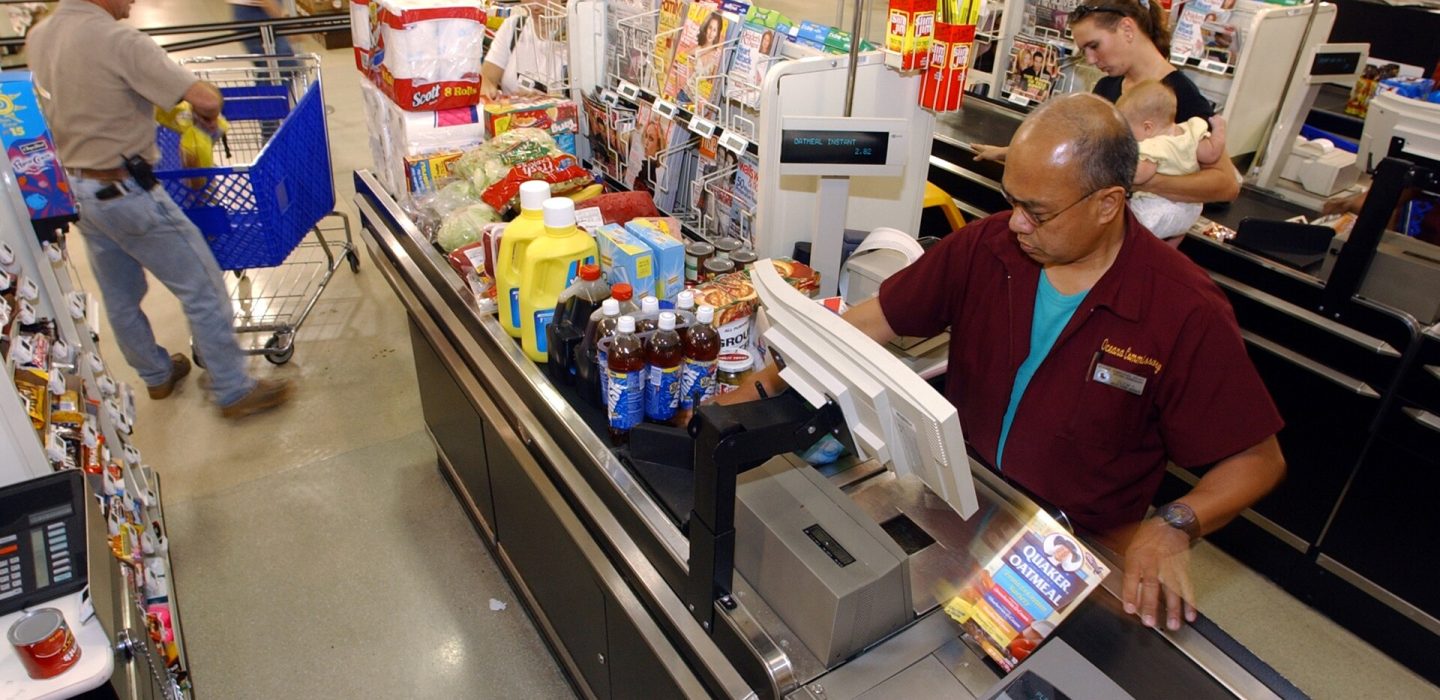
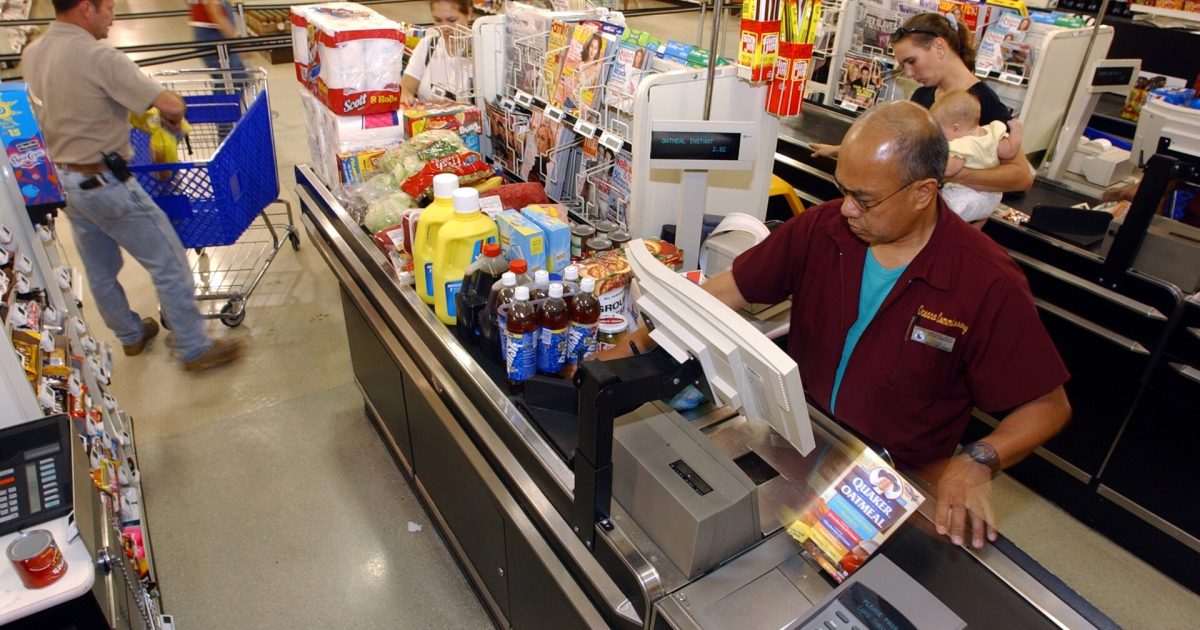
Dependable neighbors show up when they say they will, get the right brand of coffee and bring back the receipt and the change. They keep it up during a hard week instead of disappearing after the first day. Some keep reusable totes or a small cart on hand, so errands for two households are just as easy as errands for one.
Dependability also builds trust. Pew found that 59% of adults have a neighbor they would feel comfortable asking to keep a spare key for emergencies, and that kind of trust usually grows out of small, reliable favors over time.
Why These Neighbors Matter
The Census Bureau’s figures show that more than half of Americans already help their neighbors informally, and Pew’s survey suggests most people would gladly do more. The neighbors who run errands without being asked put that willingness into action.
Their four traits, helpful, empathetic, warm and dependable, rarely make headlines. But during a busy holiday season, they are often what keeps a street running smoothly, one grocery run at a time.
Get stories like this by email. Sign up for Crafting Your Home.
This article was produced with AI assistance and edited for accuracy against the sources linked above.
Image: U.S. Navy photo by Michael W. Pendergrass – Public domain/Wikimedia Commons