
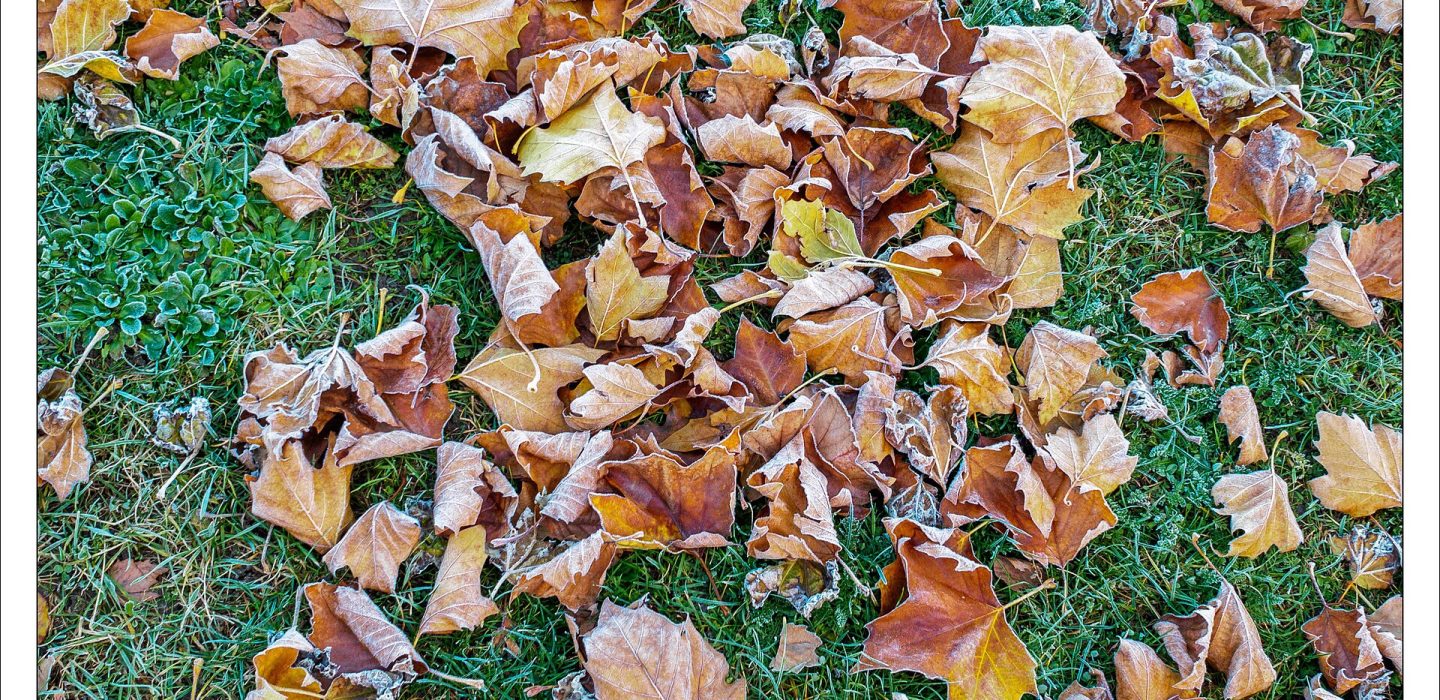

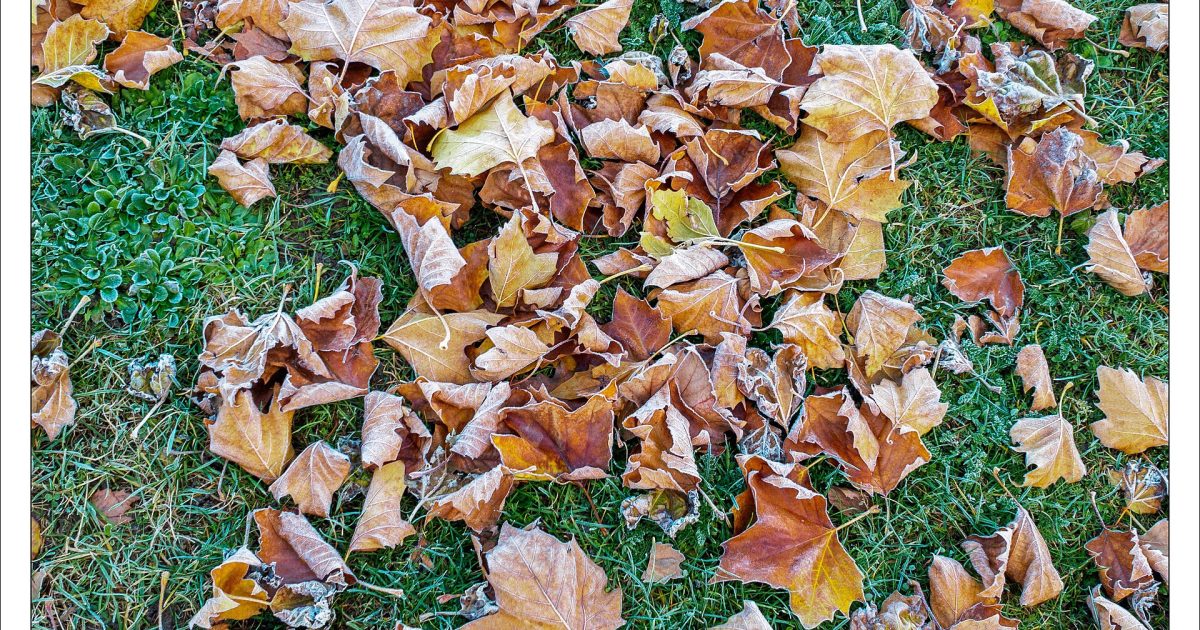
While highs reach the 80s in Florida and southern California this week, frost advisories are already posted for the eastern half of North Carolina and southeastern Virginia. The National Weather Service’s Weather Prediction Center says that early chill is only the start, with many areas of the Ohio Valley, Tennessee Valley and parts of the Deep South facing the first frost or freeze of the season by Saturday morning, November 14.
The cold arrives behind a strong eastern trough, and the forecasters expect it to feel sharpest on Friday. That leaves until Saturday morning to bring in what can be brought in, drain what can be drained and cover what has to stay outside.
Frost Advisories Are Already Up in the Carolinas and Virginia

The Weather Prediction Center’s short-range discussion, issued at 2:44 p.m. Eastern on Monday, November 9, mentions frost advisories for parts of eastern North Carolina and southeastern Virginia and describes another chilly night across parts of the Southeast.
The same discussion keeps the rest of the country mild this week, with 50s and 60s across the northern tier, 60s and 70s across the southern tier, and the 80s in southern California, the Desert Southwest and Florida. The contrast is why the cold snap can catch households off guard in places that have not seen a frost yet. Heating bills tend to follow, and a look at what experts say about the ideal winter home temperature offers a starting point for the thermostat, and Frenz Hub has a guide to energy-efficient home improvements that save money.
Thursday and Friday: Highs 5 to 15 Degrees Below Normal
The cooling becomes more noticeable on Thursday and peaks on Friday for areas east of the Mississippi River. The forecasters expect highs 5 to 15 degrees below normal, with temperatures easing gradually the following weekend. If wind or ice brings an outage along with the cold, a freezer stays cold longer when its door stays shut, and a list of things never to do with a full freezer when the power goes out covers the common mistakes.
A frost advisory and a freeze warning are different things. According to the National Weather Service office in Charleston, West Virginia, a frost advisory is issued when widespread frost is expected during the local growing season, usually on clear, calm nights with lows around 33 to 36 degrees. A freeze warning covers lows of 29 to 32 degrees, cold enough to damage many unprotected sensitive plants.
Cold nights also test the household systems that sit unnoticed most of the year. Keeping a house cold all winter is often tied to these 7 things, and utility shutoff protections began Nov. 1 in Nebraska and start Dec. 1 in Pennsylvania and Indiana, as a roundup of winter utility shutoff rules in three states explains.
Outdoor Faucets and Hoses
Water left in an outdoor line expands as it freezes. Homes and Gardens reports that an outside faucet can freeze when temperatures reach 28 degrees or lower, and that water left in the pipe can burst pipes, valves or joints. The magazine’s steps are simple. Shut off the indoor valve that feeds the outdoor line, open the faucet to drain it, and disconnect and drain the garden hose, since plastic hoses can split when the water inside expands. Insulated faucet covers are inexpensive and useful when the pipes cannot be fully drained. A drained hose then needs a dry spot, and Frenz Hub’s best practices for seasonal storage covers where it fits.
Angi’s Caroline Gilbert advises winterizing pipes before temperatures regularly drop to 32 degrees, and Angi’s guide puts a basic faucet cover at about $5 to $10. Damage can stay hidden until spring, so it helps to check for leaks when the water is turned back on. A faucet that already drips is worth fixing first, and Frenz Hub explains how to fix a leaky faucet in seven DIY steps.
Garden Beds, Containers and Late Harvests
Gardeners face the same Saturday deadline. Sarah Browning, a Nebraska Extension educator in Lancaster County, says in a University of Nebraska-Lincoln extension article that tender plants deserve protection when freezing temperatures are expected, since cold air pools in low spots. Straw, newspapers or old bed sheets cover low-growing crops, and covers trap soil heat around the plants. Fall greens and herbs are the usual winners of the season, a point covered in Frenz Hub’s piece on elevated garden beds for fall greens, herbs and small patios.
Covers come off the next day, especially plastic, so plants do not overheat in the sun. Browning also lists what to pick before frost: winter squash and pumpkins meant for storage, green tomatoes, peppers that cannot be covered, and summer squash. Broccoli, cabbage, cauliflower and Brussels sprouts tolerate light frost well.
A Short Window Before the Weekend
The timing works in households’ favor. Thursday brings the first noticeable drop, Friday brings the sharpest cold, and Saturday morning is when the first frost or freeze is most likely across the Ohio Valley, Tennessee Valley and parts of the Deep South.
Forecasts can shift, so local National Weather Service offices remain the best place for frost advisories and freeze warnings in a specific county. The Weather Prediction Center expects the cold to ease gradually after the weekend.
That makes the job a short one: hoses drained, faucets wrapped, sensitive plants covered and harvests picked before Friday night.
Get stories like this by email. Sign up for Crafting Your Home.
This article was produced with AI assistance and edited for accuracy against the sources linked above.
Image: Andreas Manessinger – CC BY-SA 2.0/Wikimedia Commons