

Ed Kenney turned 100 on Saturday, Nov. 7, and the Henrico County, Virginia, man marked the day with a story very few people alive can still tell firsthand. Fresh out of the FBI Academy, he was sent to Texas to work on the investigation into the assassination of President John F. Kennedy, as WTVR CBS 6 in Richmond reported.
Born in Brooklyn, Kenney is a World War II veteran, a former New York City police officer and a father of six. His birthday landed four days before Veterans Day, and the station sat down with him as he looked back on a career that put him in Dallas during one of the most scrutinized weeks in American history.
From a Brooklyn Childhood to the FBI Academy

Kenney’s working life began in uniform. He served in World War II, then worked as a police officer in New York City before joining the FBI. Veterans Day falls on Wednesday, Nov. 11, and the day’s free meals for veterans and the proof to bring for them are a reminder of how many from his generation have already left the picture. Gestures like that belong to the broader set of American traditions that can puzzle the rest of the world.
The oldest baby boomers turn 80 this year, according to a look at the boomers hitting that milestone in 2026, which puts Kenney a full 20 years beyond them. Kenney belongs to the generation that came before the boomers, and the habits of those older generations are the subject of a collection of boomer habits that are making a comeback and a list of life skills older generations mastered.
Hard-won wisdom from older Americans is the focus of the hardest truths to accept in life, according to baby boomers. Kenney’s own memories are more specific. They begin with an assignment that came right after the Academy.
The FBI did not hand him a quiet first posting. WTVR reported that he was reassigned to Texas to work the Kennedy case, which meant stepping straight into an investigation the whole country was watching.
Landing in Dallas on a Sunday Night
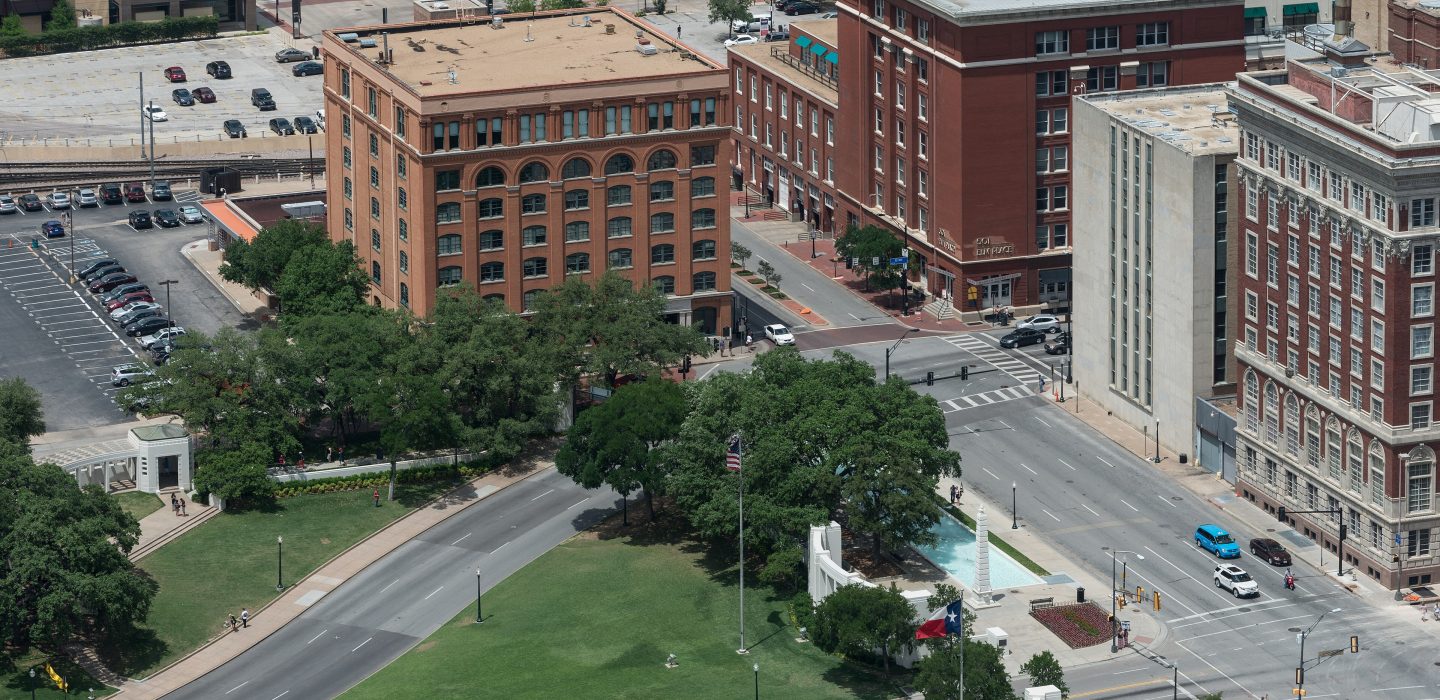
Kennedy was assassinated in Dallas on Nov. 22, 1963. According to WTVR, Kenney landed in the city on a Sunday night, as agents were being pulled in from field offices around the country. The station reported that he worked seven days a week with little sleep and little time with his family.
The FBI’s own history of the case shows how fast the Bureau mobilized. As the FBI’s account of its Laboratory work notes, evidence was arriving in Washington on the evening of the shooting, and examiners worked straight through the weekend that followed.
Kenney described a job made up largely of chasing leads, including the unlikely ones. One tip, as he told the station, involved two women on a bus who claimed to know someone who knew Lee Harvey Oswald. He called that one a wild goose chase, and said agents had to follow every thread anyway.
Detective work done by phone, in person and on foot belongs to an earlier era, the same world that old-school habits that still hold up today and little rituals that disappeared without much notice look back on.
A Visit to Jack Ruby in the County Jail
On Nov. 24, nightclub owner Jack Ruby shot and fatally wounded Oswald on live television. Kenney and an FBI colleague later visited Ruby in the county jail, partly to make sure nothing happened to him in his cell, according to WTVR.
What stayed with Kenney, the station reported, was how friendly Ruby seemed. He said Ruby was not hostile, and that he wanted to see for himself the man who had caused so much trouble for the country. Looking back, he was blunt about what Ruby’s act cost: it took away the chance for answers, he said, and it fed the conspiracy theories that persist today.
Kenney also described friction in the work itself. He said the investigation was hampered from the start because the killing was a local crime rather than a federal one, and he recalled the difficulty of working with Dallas police and with the city’s chief investigator, identified in the report as Fritz, who wanted to run the case his own way.
A Century Later, the Same Conclusion
At 100, Kenney has not changed his mind about what the evidence showed. He told WTVR that the proof was overwhelming that Oswald was the killer, and he rejected theories involving a second gunman, a CIA link or the so-called magic bullet.
The assassination happened 63 years ago, so few of the people who worked on it are still around to describe it. Kenney said he felt gratified to have been part of history, a modest way to sum up a few sleepless weeks that shaped the rest of the century.
It is the kind of memory that usually stays inside a family. His willingness to share it with a local station makes a 100th birthday in Henrico County a small piece of living history, not just a number.
Get stories like this by email. Sign up for Crafting Your Home.
This article was produced with AI assistance and edited for accuracy against the sources linked above.
Image: Carol M. Highsmith – Public domain/Wikimedia Commons