


The post 8 Reasons Americans Must Heed Emergency Supply Warnings first appeared on Crafting Your Home.
Emergency supply warnings aren’t just recommendations to buy extra groceries or store a few bottles of water. They remind us that everyday services and essential goods may become hard to access when disasters disrupt normal life. Across the United States, hurricanes, wildfires, severe winter storms, floods, and prolonged power outages can affect transportation, electricity, drinking water, healthcare, and food distribution.
For many households, the biggest challenge during an emergency is not knowing that a disaster is approaching. It is having enough time and resources to respond safely. A closed grocery store, an unavailable prescription, or a contaminated water supply can quickly turn an ordinary disruption into a serious household concern.
The Federal Emergency Management Agency (FEMA) encourages Americans to prepare an emergency supply kit, develop a family communication plan, and understand the hazards that may affect their communities. These recommendations are intended to help households manage essential needs when normal services are interrupted.
Here are eight important reasons Americans should take emergency supply warnings seriously and prepare before a disaster occurs.
Natural Disasters Can Disrupt Essential Supply Chains
Natural disasters can disrupt the systems that deliver everyday necessities to American households. Hurricanes, floods, wildfires, tornadoes, and severe winter storms can damage roads, close distribution facilities, interrupt transportation, and prevent delivery vehicles from reaching certain communities. These disruptions do not necessarily mean that the entire country is experiencing a shortage. However, a localized emergency can make essential goods difficult to obtain in the affected area, particularly when transportation routes and commercial services are temporarily unavailable.
For example, a hurricane can force businesses to close, damage road infrastructure, and interrupt deliveries to supermarkets and pharmacies. Similarly, flooding can make certain roads impassable, preventing residents from reaching stores even when supplies remain available elsewhere.
That is why emergency preparedness recommendations emphasize keeping basic household necessities on hand before a disaster develops. Waiting until a warning becomes urgent can leave families competing for limited local supplies or attempting to travel during dangerous conditions.
The National Weather Service distinguishes between watches and warnings. A watch means conditions are favorable for a particular hazard, while a warning indicates that hazardous weather is occurring or imminent and protective action may be necessary. Understanding this difference helps households recognize when to begin preparing and when to act.
Drinking Water May Become Unsafe or Unavailable
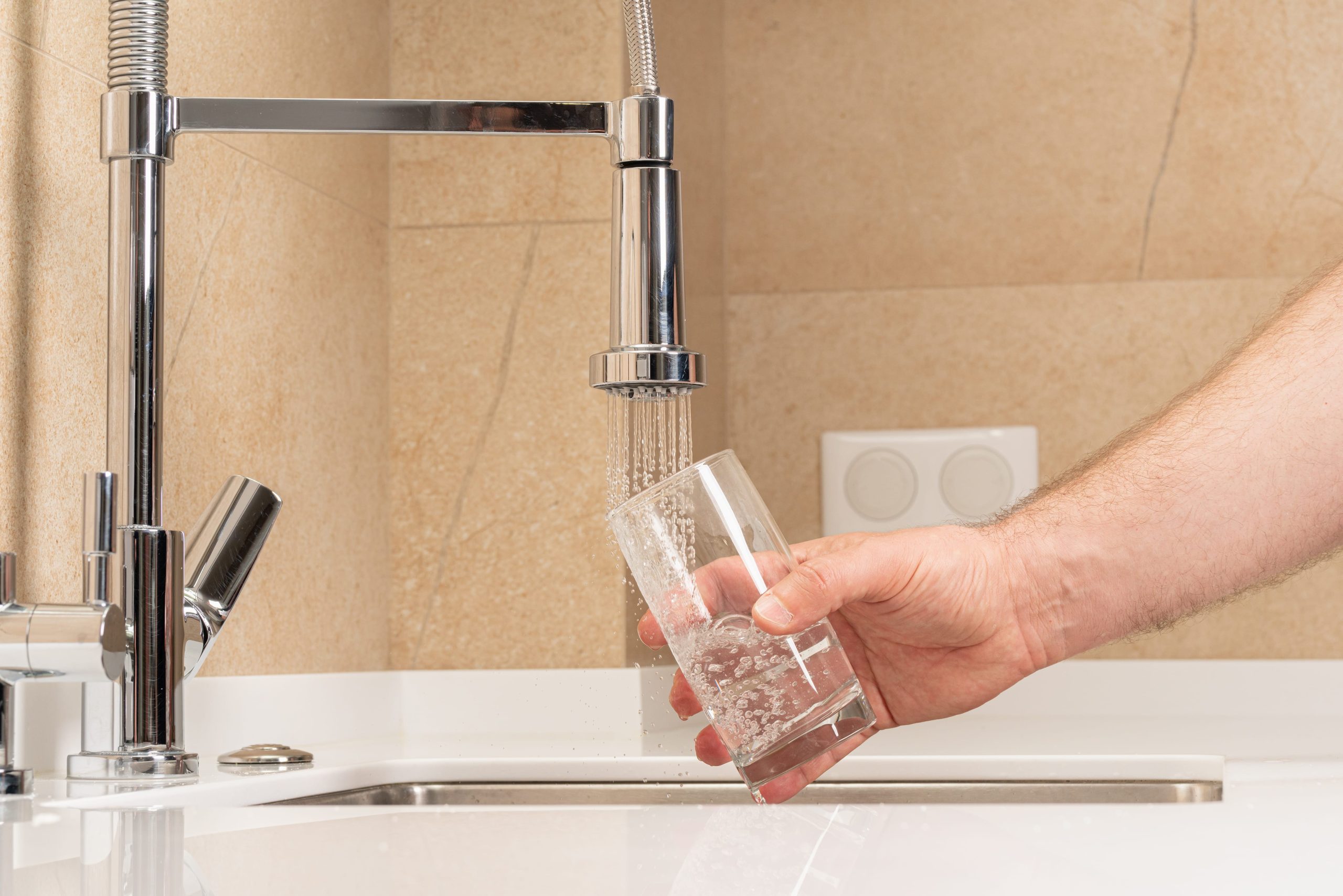
Access to clean drinking water is one of the most important reasons to take emergency supply warnings seriously. Although American communities generally depend on established water treatment and distribution systems, disasters can affect the infrastructure that makes safe water available. Flooding, water main breaks, damaged treatment facilities, and other disruptions can lead authorities to issue drinking water advisories. A boil-water notice, for example, tells residents that tap water may contain harmful microorganisms and should be treated according to local public health instructions before use.
The Centers for Disease Control and Prevention (CDC) explains that after an emergency, tap water may be unavailable or unsafe to use. Depending on the situation, residents may need bottled, boiled, or appropriately treated water for drinking, cooking, brushing their teeth, and preparing food.
The CDC recommends storing at least one gallon of water per person per day for three days. This provides a basic starting point for drinking and cooking needs. Households may require more, particularly in hot climates, during pregnancy, or when someone is ill. You may also need additional water for pets and personal hygiene.
Related: 10 States With Some of the Best Tap Water in America
Grocery Store Disruptions Can Affect Food Availability and Safety
Food is another essential resource that may become difficult to access during emergencies. When storms damage roads, electricity fails, or businesses temporarily close, households may have fewer opportunities to purchase fresh groceries and prepared meals. Even when food remains available in stores, transportation and delivery interruptions can affect the variety of products customers can obtain. This can be especially challenging for families with infants, older adults, or people who need specific foods for medical or dietary reasons.
Keeping a reasonable supply of nonperishable food at home can help households manage temporary disruptions. Examples include canned vegetables, canned beans, peanut butter, crackers, dried foods, and shelf-stable meals. Families should also consider foods that do not require refrigeration or extensive cooking. However, having food available is only part of emergency preparation. Food safety becomes especially important when a power outage affects refrigeration.
According to the CDC’s November 24, 2025, guidance, an unopened refrigerator can generally keep food at a safe temperature for up to four hours without electricity. A full freezer can maintain safe temperatures for approximately 48 hours, while a half-full freezer can do so for approximately 24 hours, provided the doors remain closed.
After four hours without power or another cold source, refrigerated perishable foods such as meat, fish, milk, eggs, and leftovers should generally be discarded. Food exposed to floodwater may also be unsafe to consume.
Power Outages Can Interrupt Essential Household Services
Electricity supports many activities that people depend on every day. Refrigerators preserve food, heating and cooling systems maintain comfortable indoor temperatures, phones provide communication, and some medical devices require continuous electricity. During hurricanes, winter storms, wildfires, and other emergencies, damage to electrical infrastructure can leave households without power. The length and severity of an outage depend on the event, the affected infrastructure, and the time required for repairs.
The CDC explains that extended power outages can be particularly dangerous for people who depend on home medical equipment. Its April 18, 2024, preparedness guidance recommends identifying emergency lighting, backup power sources, batteries, and charging equipment before an outage occurs.
Households can prepare by keeping flashlights, spare batteries, portable power banks, and battery-powered or hand-crank radios available. People who rely on electricity-dependent medical equipment should speak with their healthcare providers about backup arrangements and locations where they can access assistance.
Generator safety is another important consideration. Portable generators can provide electricity during an outage, but incorrect use can cause carbon monoxide poisoning. Carbon monoxide is an odorless and colorless gas that can cause serious illness or death.
Related: How to Winterize Your Home To Save on Energy Costs (5 Ways)
Prescription Medicines and Medical Supplies May Become Difficult to Access

For people who depend on regular medication or medical equipment, an emergency can create problems that extend beyond ordinary household inconvenience. Pharmacy closures, damaged healthcare facilities, transportation interruptions, and disrupted medical services can make it harder to obtain necessary treatment. Consider someone who needs insulin, prescription inhalers, heart medication, or other essential medicines. If a severe storm forces local pharmacies to close or makes roads inaccessible, obtaining a replacement prescription may become difficult.
The CDC recommends that emergency preparedness account for individual medical requirements. Its guidance encourages people to consider prescription medicines, medical supplies, health records, and equipment needed to manage existing conditions.
A practical medical preparedness plan should include an updated medication list, prescription information, healthcare provider contact details, and an appropriate supply of essential medicines where permitted by prescription and storage requirements. People who use refrigerated medication should also discuss safe temperature management with their pharmacist or healthcare provider.
First aid supplies are equally useful. Bandages, sterile gauze, disposable gloves, and basic wound-care materials can help households respond to minor injuries while waiting for professional assistance. However, first aid kits are not substitutes for emergency medical treatment.
Related: 13 Medicine Cabinet Organization Ideas to Streamline Your Daily Routine
Evacuation Orders Can Leave Families With Limited Preparation Time
Some emergencies allow residents several days to prepare, while others develop quickly and require people to leave their homes with little notice. Wildfires, flash floods, hurricanes, and certain industrial incidents can create conditions in which local authorities advise or order residents to evacuate. In these situations, having an emergency bag and a household evacuation plan ready can make an important difference.
FEMA recommends maintaining emergency supplies and preparing a family communication plan. Its gu