


The Post 9 Things People Over 70 Say They Stopped Worrying About — and Were Happier for It First Appeared In Crafting Your Home.
At some point in life, you realize you’ve spent an awful lot of time worrying about things that never deserved so much attention. The opinions of strangers, the invitations you didn’t want to accept, the little imperfections that once spoiled an otherwise beautiful day. Somehow, the years put those things into perspective.
The Cornell University Legacy Project, which collects wisdom from older Americans, offers a glimpse into how priorities can change with age. Many participants describe finding greater satisfaction in ordinary moments, meaningful relationships, and the things they can actually influence.
What Other People Think About Them
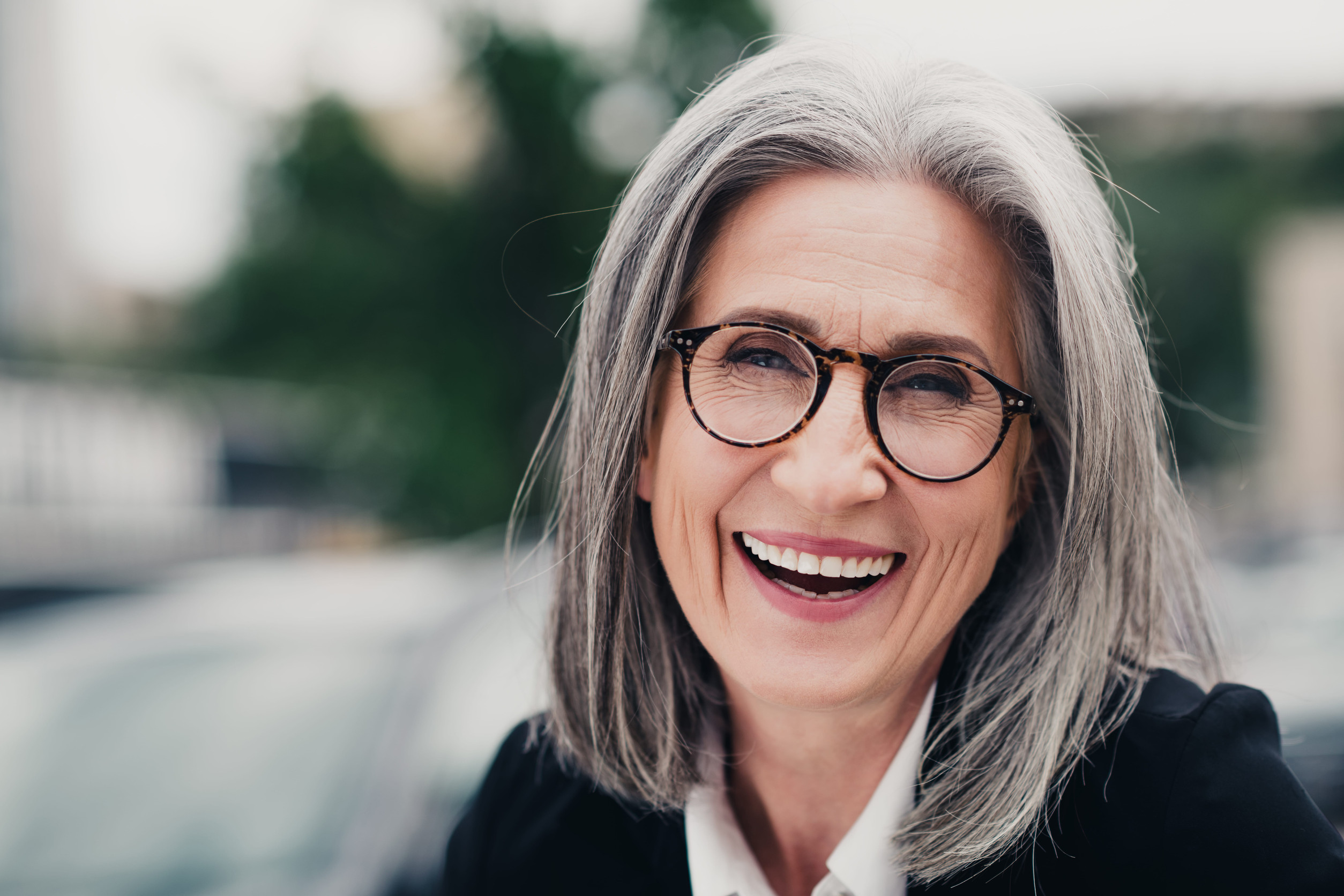
Not every opinion deserves a permanent place in your thoughts. When you’re younger, an unkind remark or disapproving glance can follow you around for days, even when the person who made it has long forgotten the encounter.
Looking Perfect Every Time They Leave the House
Barber recalls feeling that pressure herself before gradually becoming more comfortable with the ordinary imperfections of everyday life. She still enjoys looking her best, but she no longer lets every small appearance-related disappointment dictate her plans.
Saying No Without Feeling Guilty
Barber describes becoming more comfortable declining things she doesn’t want to do. Her experience reflects a broader idea explored in research on aging and priorities: as people grow older, they may place greater importance on activities and relationships that feel personally meaningful.
Comparing Their Lives With Everyone Else’s
Even during her successful acting career, Barber recalls comparing herself with women she considered more attractive or accomplished. Now, she says she has a stronger appreciation for her own worth, though she acknowledges that moments of insecurity haven’t disappeared completely.
The Fear That Getting Older Means Life Is Almost Over

But older Americans interviewed through Cornell’s Legacy Project tell a more complicated story. Davia, 74, described running a bed-and-breakfast and wanting to travel, while Edwina, 94, rejected the idea that growing older meant simply sitting back and watching life pass.
Waiting for Something Big Before Feeling Content
Yet some older participants in Cornell’s Legacy Project described finding satisfaction in ordinary experiences rather than endlessly chasing another achievement. The project’s lessons highlight simple pleasures such as morning coffee, a favorite song, or a letter from a friend.
Trying to Keep Every Friendship Alive
Research by psychologists Susan Turk Charles and Laura Carstensen suggests that social circles often become more selective with age, with people placing greater emphasis on emotionally meaningful relationships. Their review of aging and social relationships describes how peripheral connections may become less central while close relationships remain important.
That doesn’t mean isolation is desirable or that old friendships should be casually abandoned. Sometimes, the change is simply learning that a few deeply valued connections can mean more than a room full of people you hardly know.
Worrying About Every Problem That Might Happen Tomorrow
Older adults interviewed for Cornell’s Legacy Project often emphasized