
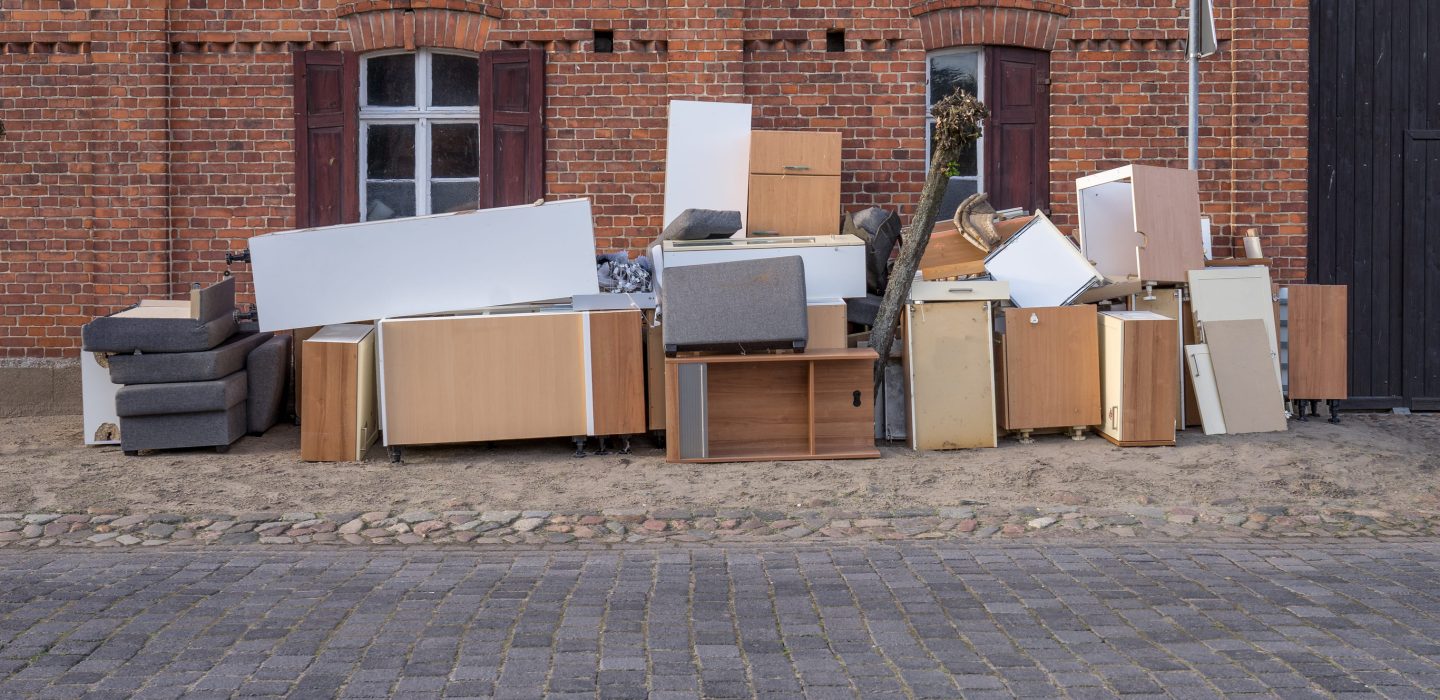

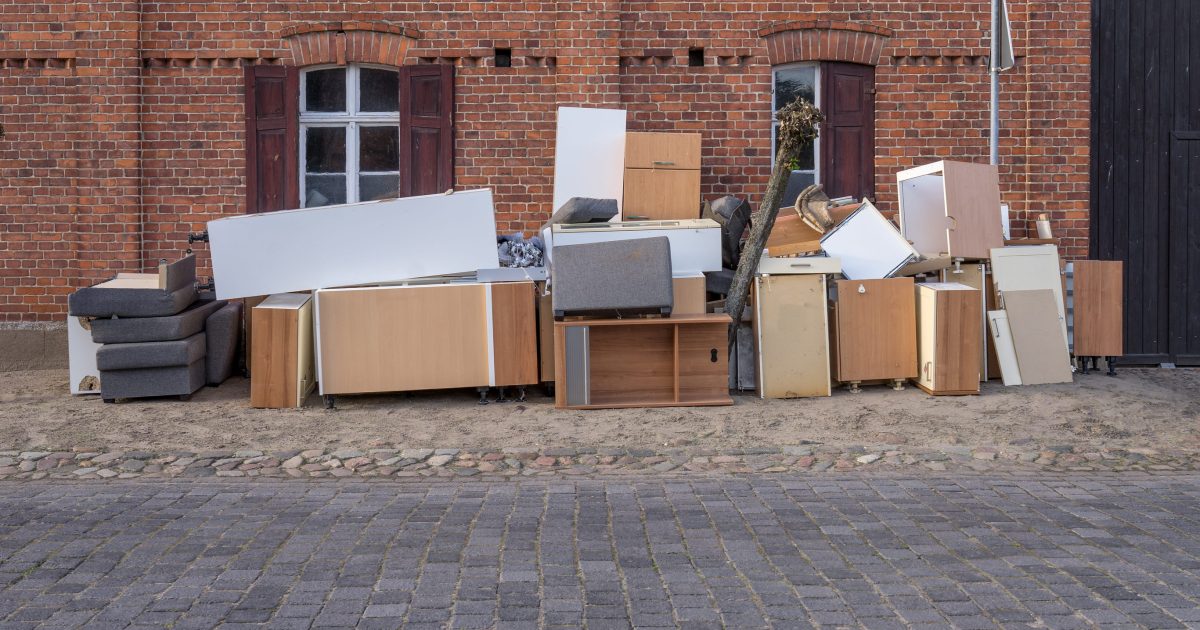
The Post Habitat for Humanity Urges Donors to Stop Dropping Off Items Its ReStores Can’t Use First Appeared in Crafting Your Home.
That old couch has been sitting in the garage for months. The washing machine stopped working ages ago, and the leftover renovation materials are taking up space you could finally use. Donating them to a good cause is a great way to clear the clutter without sending everything to the landfill.
For some Habitat for Humanity ReStores, unwanted donations have become an expensive problem. Rose Rock Habitat for Humanity reported spending more than $13,000 on trash and dump runs in 2023 because of unsuitable donations, according to its official report.
That figure didn’t include the time employees and volunteers spent sorting through items and finding alternative destinations for some of them. The organization also reported diverting more than 1.47 million pounds of material from landfills that year, showing how valuable proper donations can be.
The message isn’t that Americans should stop giving. It’s that a donation should be something a charity can actually use, rather than another cleanup job waiting at its doorstep.
Sofas and Chairs That Are Torn, Stained, or Smelly
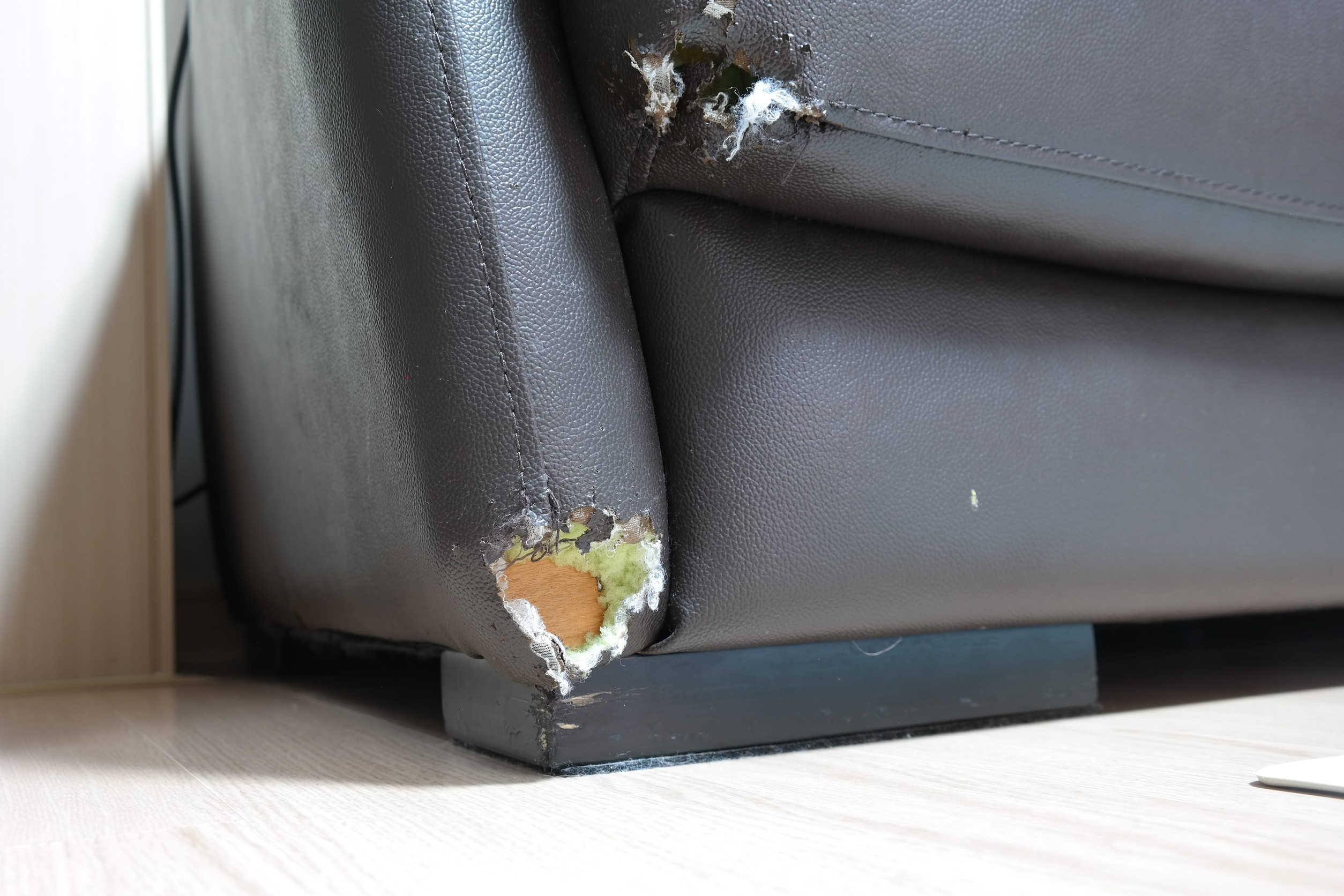
Jeremy Keen, director of the ReStore Expertise Hub at Habitat for Humanity International, explained in a May 2026 interview with The Spruce that damaged upholstered furniture can create disposal costs rather than generate sales.
Broken Furniture and Items Missing Important Pieces
A missing leg or broken cabinet door can change a donation into a repair project. A chair that wobbles badly, a table with damaged supports, or cabinetry missing essential hardware may require more work than the receiving store can provide.
Rose Rock Habitat specifically identifies broken furniture as donations that consume valuable resources without helping the organization raise funds.
Electronics and Tools That No Longer Work
Some locations accept certain working electronics, while others have more restrictive policies. A few ReStores also offer separate electronic-waste recycling services, but those programs shouldn’t be confused with accepting an item for resale.
Large Appliances That Are Too Old or Unreliable
However, Habitat’s national donation guidance generally recommends appliances that are less than ten years old and in good working condition. Some local stores apply even stricter age limits, including requirements for appliances under seven years old.
Old Carpeting Removed During Renovations
In his interview with The Spruce, Keen identified previously installed carpeting as one of the categories that ReStores generally cannot accept.
That doesn’t mean all flooring products are unsuitable. Stores may accept unused flooring materials and new rugs under their specific guidelines, especially when they are complete and in good condition.