



The post 10 Things You Didn’t Know You Could Get for Free at Grocery Stores first appeared on Crafting Your Home.
Grocery shopping can cost more than expected, especially when food prices, household essentials, and everyday necessities compete for the same budget. However, some grocery stores offer complimentary samples, promotional giveaways, loyalty rewards, and other useful extras that shoppers may overlook. These benefits are not available everywhere. Some depend on store policies, promotional events, membership requirements, or local regulations. Still, knowing what to look for can help you discover opportunities to try new products, explore cooking ideas, and make better use of available offers.
It is also important to understand what “free” actually means. A complimentary sample that requires no purchase is different from a reward that requires you to spend a certain amount. The U.S. Federal Trade Commission’s guidance on advertising claims explains that businesses should clearly disclose the conditions attached to free offers.
Here are 10 things you may be able to get for free at grocery stores, along with practical tips for finding them.
Free Samples of New and Popular Foods
Food samples are among the most recognizable freebies at grocery stores. During certain promotional events, stores or product manufacturers may offer small portions of cheese, crackers, snacks, beverages, sauces, or other foods for shoppers to taste before deciding whether to buy them.
These tastings can help customers evaluate a product’s flavor and texture without purchasing a full package. They can also introduce shoppers to unfamiliar brands or products that they might not otherwise consider. However, food samples are not a guaranteed feature of every supermarket. Availability may depend on the store, the brand’s marketing activities, staffing, and when promotions run. A sample station that appears on one shopping trip may not be present on the next.
To find these opportunities, check promotional displays, ask employees whether tastings are scheduled, or look at the store’s official website and social media pages for announcements. Food safety matters, too. The U.S. Food and Drug Administration’s retail food protection resources explain how grocery stores and other retail food establishments oversee food safety. Choose samples handled appropriately, and ask staff about ingredients if you have food allergies.
Free Fruit for Children
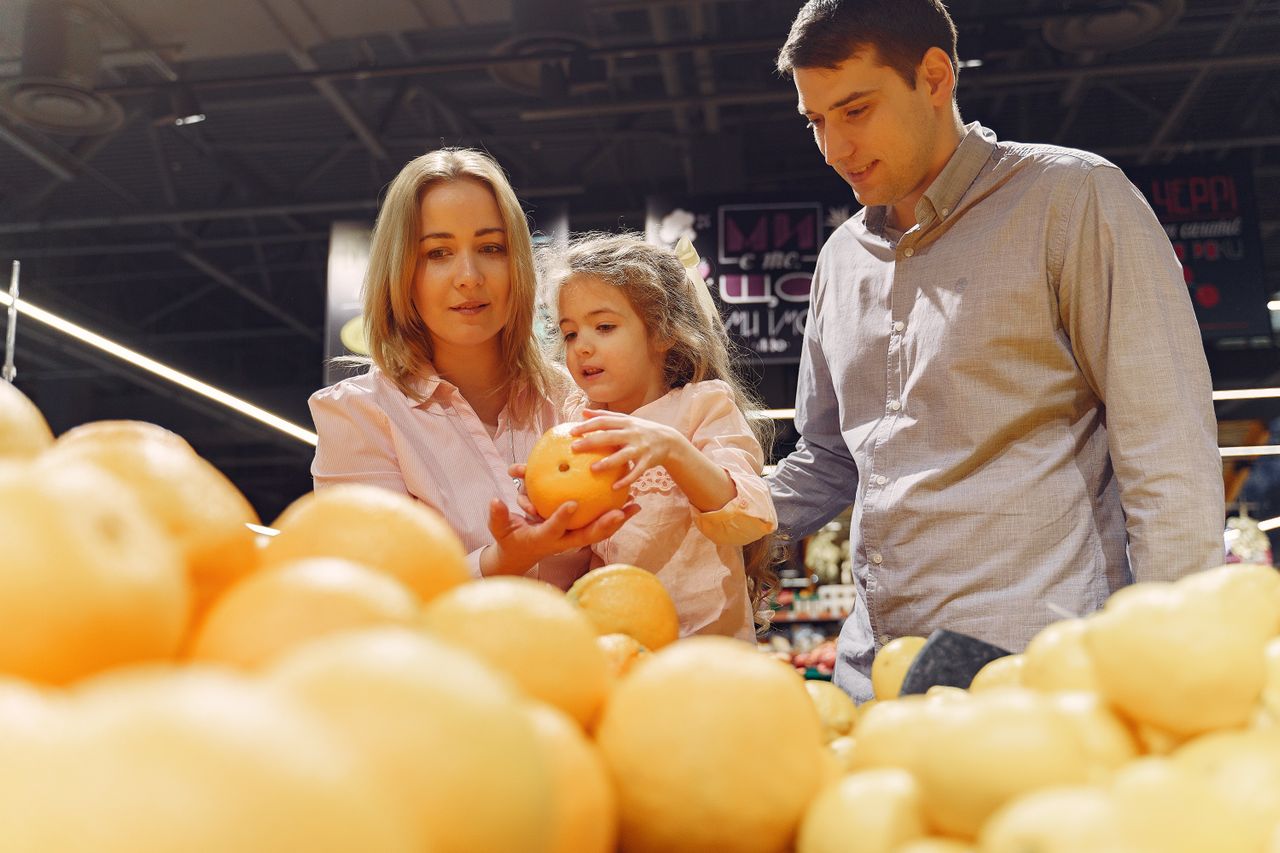
Some grocery stores allow young children to receive a piece of fruit during a shopping trip. Depending on the retailer, the offer may be called a children’s fruit program or simply part of the store’s family-friendly service. When available, this can make grocery shopping more enjoyable for families. It may also let children have a simple snack while their parents finish shopping.
Policies vary, and an offer at one branch may not apply at another. Parents should ask staff rather than assume that fruit is complimentary. If a store offers this benefit, check whether children must meet a particular age requirement and whether an employee must hand out the fruit.
For parents, treat complimentary fruit as an occasional convenience rather than a guaranteed part of every grocery trip.
Related: The 5 Tastiest Fruits You Should Try Today
Complimentary Bakery Tastings
The bakery section is another place to watch for occasional free samples. Some stores may offer small pieces of bread, cake, pastries, or other baked goods during product demonstrations, special events, or promotional campaigns.
For shoppers, these tastings offer a chance to try a new flavor or bakery product before buying. They can be especially useful when deciding whether an unfamiliar bread, seasonal pastry, or specialty baked item suits your preferences. Nevertheless, don’t assume every bakery offers free samples. Some retailers sell individual portions, while others offer tastings only during specific promotional periods. A product displayed near the counter isn’t necessarily available for sampling.
If you are interested in trying something, ask an employee whether samples are being offered. A simple question can help you understand the store’s policy without making things awkward.
Free Condiment Packets and Small Extras
Ketchup, mustard, mayonnaise, hot sauce, and other condiment packets are familiar examples of small items some retailers may provide free. However, these products are more commonly associated with food-service counters, prepared-food areas, or particular takeout arrangements than with ordinary grocery shopping.
A supermarket with a deli, café, or hot-food counter may have different policies from one that sells only packaged groceries. Some locations may include condiments with an eligible food purchase, while others may charge for them or limit distribution. Ask staff whether extra condiments are available and whether they limit quantities. Taking only what the store permits helps avoid waste and respects its policies.
Free Product Samples for Household Needs
Grocery stores sell more than food. Many also carry laundry detergent, dishwashing liquid, personal-care products, cleaning supplies, and other household essentials. From time to time, manufacturers may promote these products by distributing trial-size packages or samples.
A small sample helps shoppers assess a product before buying a full-size container. Depending on the promotion, shoppers may find them at an in-store demonstration, through a manufacturer’s campaign, or as part of a giveaway. However, trial sizes are not automatically free. Some are standard retail products sold at a lower price, while others are distributed only during specific campaigns. Shoppers should check the label and the offer terms before taking an item.
One useful strategy is to look for official promotional announcements from the manufacturer or retailer. These can explain where samples are available, how long the promotion lasts, and whether registration or other conditions apply.
Be wary of offers that request payment details f