

The post 10 Things Every Man Over 50 Should Know How to Do Around the House first appeared on Crafting Your Home.
A running toilet can cost an average of $271 to repair professionally, while hiring an electrician costs around $351 on average in 2026. An emergency plumber can charge anywhere from $100 to $500 an hour, depending on the job and when you call.
For men over 50, those figures raise an uncomfortable question: How much money are you spending on problems you could safely handle yourself?
Nobody expects a homeowner to rewire a house or repair a pressurized garage door, but knowing how to stop a minor leak, reset a tripped breaker, or recognize a failing toilet component can save money and help prevent larger problems. After decades of managing a household, these are practical skills worth having.
Find and operate the main water shutoff valve
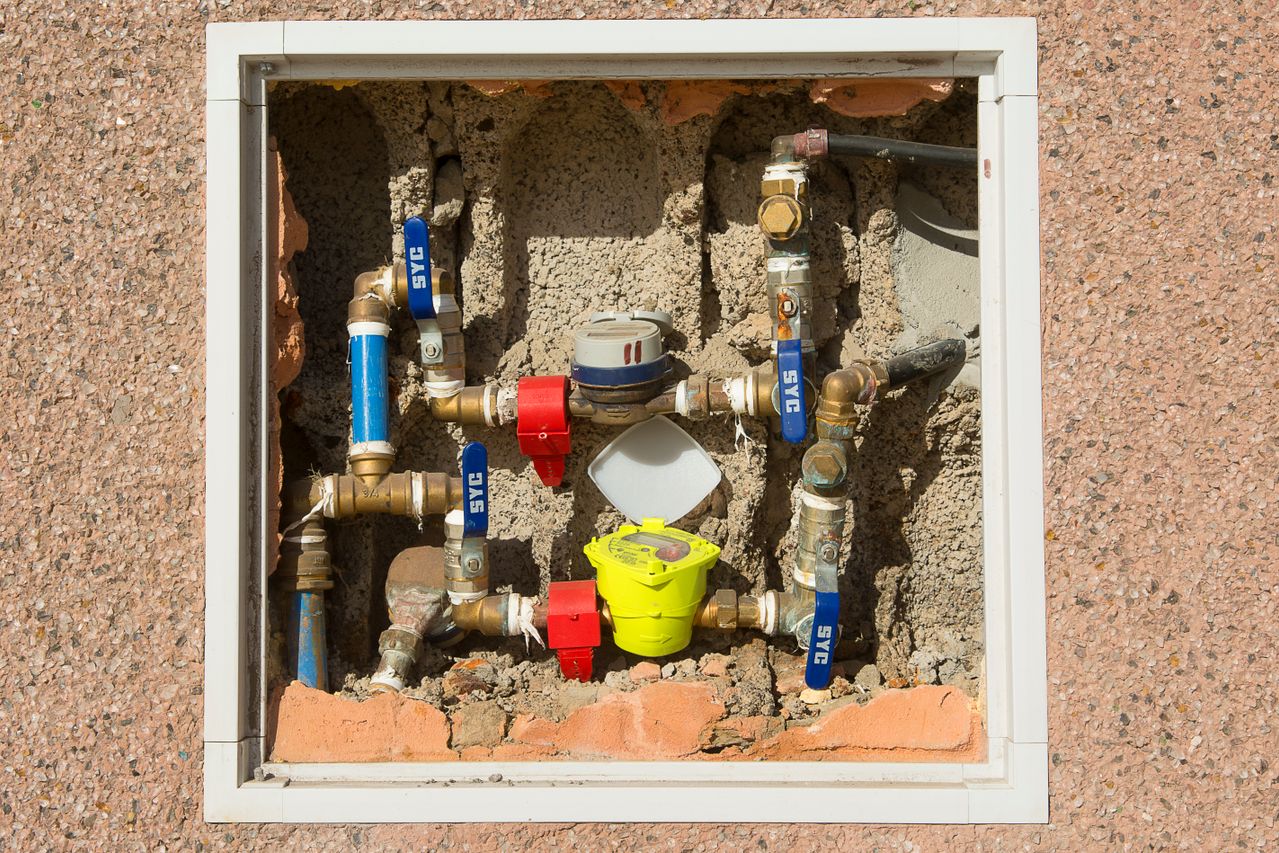
The U.S. government’s Ready.gov emergency guidance recommends that household members learn where the main water valve is located and know how to operate it. The valve is commonly found where the main supply line enters the home, although its location varies by property. A homeowner should identify it before an emergency and check whether it actually closes.
A man who has lived in the same house for 20 years should be able to show another household member how to shut off the water. If the valve is seized, damaged, or inaccessible, arranging a repair is more useful than discovering the problem during a plumbing emergency.
Knowing how to replace a worn faucet washer or recognize a failing toilet flapper also helps. The U.S. Environmental Protection Agency estimates that household leaks can waste more than 9,300 gallons of water annually on average. A persistent drip may look insignificant, but a running toilet or hidden leak can quietly inflate utility bills.
Understand the electrical breaker panel
A breaker may trip when a circuit becomes overloaded or develops a fault. Knowing how to reset an appropriate breaker can restore power without an unnecessary service call.
The important distinction is knowing when to stop. A breaker that repeatedly trips, a burning smell, scorch marks, buzzing from the panel, or a warm outlet deserves attention from a qualified electrician. Repeatedly resetting a breaker without identifying the problem can leave a dangerous electrical fault unresolved.
Men who grew up believing they should handle every repair themselves may be particularly tempted to open a panel and investigate.
A competent homeowner should also know which outlets serve refrigerators, sump pumps, and other important equipment. During an outage or electrical fault, that information helps narrow down the problem without turning a small inconvenience into an improvised electrical project.
Test smoke and carbon monoxide alarms
The U.S. Fire Administration recommends installing smoke alarms inside every bedroom, outside separate sleeping areas, and on every level of a home, including the basement. It also recommends testing alarms monthly and replacing them 10 years after their manufacture date. Hardwired alarms may require separate attention to their backup batteries.
Carbon monoxide alarms deserve the same attention. The U.S. Fire Administration reports that more than 150 people in the United States die annually from accidental, nonfire-related carbon monoxide poisoning. The gas is colorless and odorless, making a working alarm essential for detecting a dangerous buildup.
Men who maintain cars, operate fuel-burning equipment, or keep a portable generator for storm-related outages should understand the risks. The Consumer Product Safety Commission warns that generators must never operate inside a house or garage, even with doors and windows open. They should be operated outdoors, at least 20 feet from the home, with exhaust directed away from openings.
Testing alarms takes little time. Replacing an expired unit or correcting an unsafe generator setup requires more effort, but neither task should be postponed until a problem appears.
Stop a running toilet and recognize common plumbing problems
A homeowner should know how to turn off the toilet’s local water supply before attempting maintenance. He should also recognize when the job goes beyond a basic repair, such as when a toilet leaks around its base, a pipe connection corrodes, or several drains back up at once.
The EPA’s WaterSense program identifies worn toilet flappers and dripping faucets among common household leaks. Fixing a minor fault promptly can reduce waste and prevent a small maintenance issue from becoming a recurring expense.
A household can lose money through a series of minor failures that nobody bothers to investigate. Knowing how to diagnose a running toilet will not make someone a plumber, but it can help him distinguish a simple repair from a problem that needs professional attention.