



The post 13 Things Couples Who Met Online After 50 Say Surprised Them first appeared on Crafting Your Home.
You can be open to romance and still have no intention of sharing a home again. Online dating after 50 leaves room for that possibility, and for other expectations that don’t fit the familiar story of finding someone and merging two lives.
Pew Research Center found that 17% of Americans age 50 and older had tried a dating site or app. Their experiences were mixed: 53% of online daters in that age group described their experience positively, while 46% described it negatively.
For anyone considering a profile, the useful question is what kind of connection would fit the life they already have. These 13 surprises offer a practical place to begin.
You Are Not the Only One Starting After 50
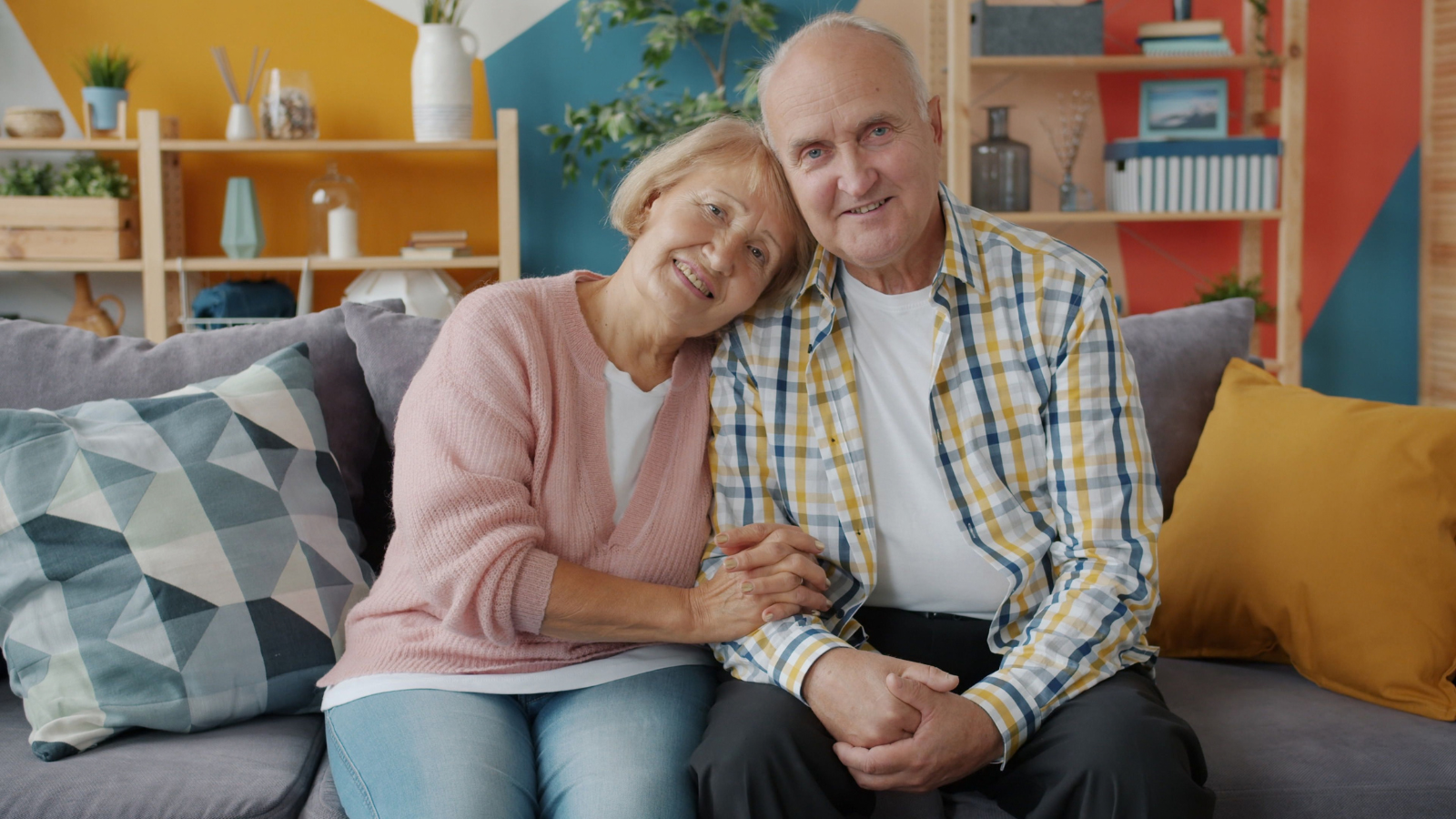
Dating apps may bring younger users to mind, but older adults are part of the picture.
Pew found that 23% of Americans in their 50s had used a dating platform, compared with 14% in their 60s and 12% of those 70 and older. Those figures describe people who had ever tried online dating, rather than everyone actively using it.
Your Intentions May Be Clearer Than Expected
Experience with marriage, divorce, bereavement, caregiving, careers, or raising children can help some daters identify what they want.
That does not mean everyone arrives with a settled plan. It means you can begin by asking yourself whether you want partnership, companionship, casual dating, or something else. You do not have to borrow another person’s definition of a successful relationship.
Your Profile Needs More Than a Good Photograph
A photograph gives someone a first impression. A specific description gives them something to ask about.
AARP advises making photographs and written profiles work together. Give the words attention alongside the images, so a potential match has a starting point for conversation. The aim is to offer a useful introduction to the person behind the picture.
Practical Questions Can Arrive Early
Work, children, retirement plans, travel, and living arrangements may come up sooner than you expected.
That can make an early date feel rather formal, especially after years away from dating. Yet direct conversations can also clarify whether two people’s lives fit together. Leave room for enjoyment while discussing the practical details that matter to you.
Your Non-Negotiables May Have Changed
The qualities you prioritize now may differ from those that mattered earlier in your life.
Kindness, emotional steadiness, financial independence, caregiving responsibilities, and compatible routines may carry more weight. Consider your present priorities rather than automatically returning to an old checklist. Someone can be appealing while still wanting a daily life that differs substantially from yours.
Related: 9 Qualities Women Over 50 Say Make an Older Man Instantly Attractive
Commitment Does Not Have to Mean Cohabitation
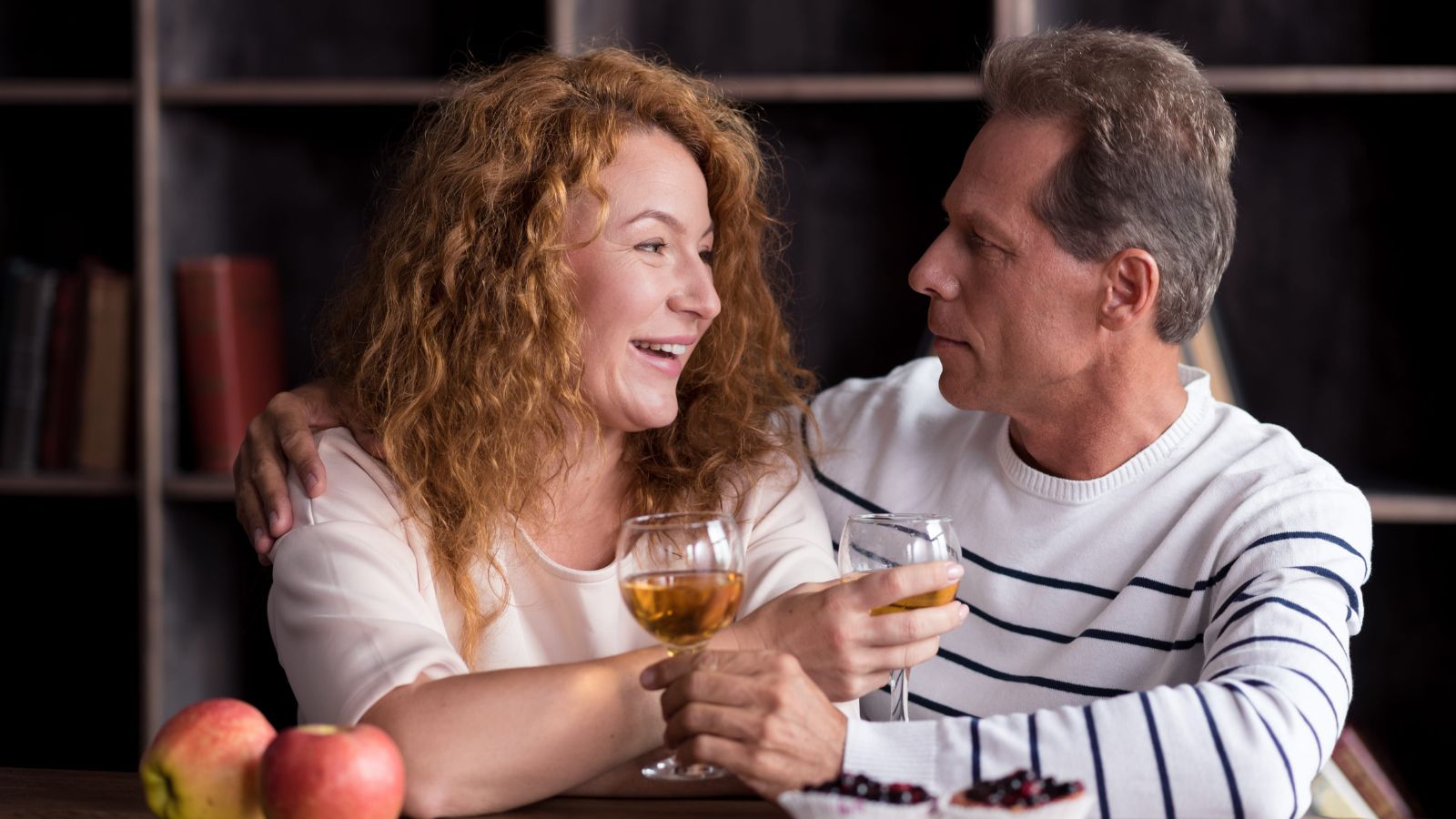
Companionship without remarriage or a shared home can be a valid goal.
Among recent online daters age 50 and older, Pew found that about half cited finding a long-term partner or spouse as a major reason for using apps, while 36% cited casual dating. There is no single destination. Discuss what commitment means before assuming you both picture the same arrangement.
Friendship Can Be a Worthwhile Outcome
A conversation that does not become romantic need not be treated as a failed attempt.
An earlier AARP survey found that adults over 50 used online dating for friendship or companionship as well as serious relationships. Whether that possibility interests you depends on your own intentions, but it broadens the ways you might value a new connection.
Chemistry Still Has a Place
Practical compatibility does not remove the importance of attraction.
A 2025 Kinsey–Match survey of 2,213 adults age 50 and older found that 91% of single respondents considered sexual chemistry essential to a romantic relationship. The finding reflects the survey’s respondents rather than a nationally representative result. It nevertheless challenges the assumption that later-life dating is concerned only with companionship.
Being Direct Does Not Remove Vulnerability
Knowing what you want can help you communicate it. Showing interest can still feel exposing.
Admitting nerves, discussing loneliness, or asking for care involves emotional risk, even when you prefer straightforward conversations. You do not need to interpret uncertainty as evidence that you are unprepared to date. Clear intentions and vulnerable moments can exist in the same encounter.
The Calendar Can Matter as Much as the Conversation
Geography, caregiving, retirement plans, schedules, and a wish to remain near adult children can narrow the options.
These considerations deserve attention alongside a promising exchange of messages. Think about whether you could realistically spend time together and whether your plans are compatible. A connection must find room in both people’s lives, including the commitments already there.
Safety Deserves Its Own Plan
Pew found that 47% of online daters age 50 and older had encountered someone they believed was attempting to scam them.
Do not send money, cryptocurrency, gift cards, or account credentials to someone you have not met and independently verified. For a first meeting, choose a public place, tell a friend where you will be, and arrange your own transportation. Be cautious about urgent requests and repeated refusals to meet or video call.
Optimism Can Return Without a Guaranteed Ending
Trying online dating after a loss, divorce, long marriage, or years of being single can mean making space for connection again.
That does not promise a partner or turn every disappointing date into a lesson. It gives you a chance to explore what you want now.
Before creating a profile, decide what you are open to, what boundaries matter, and how you will approach a first meeting. Then let the experience unfold without requiring it to follow anyone else’s timetable.
Other Posts You May Like
If you like what you just read, then subscribe to our newsletter and follow us on social media.


