


The Post: 13 Things You Should Never Leave in Your Car in Winter first appeared on Crafting Your Home
A parked car may feel like bonus storage space, but winter turns that convenience into a gamble. Temperatures can plunge overnight, rise again during the day, and change quickly once you start driving.
That cycle can drain batteries, split containers, create condensation, and leave you with an unpleasant surprise in the back seat.
The key is not assuming everything is ruined the moment temperatures hit freezing. Instead, treat your car as what it is: an uncontrolled storage space. Here are 13 things you are better off bringing indoors.
1. Prescription and Over-the-Counter Medicines
The FDA specifically advises against leaving medicines in a vehicle during either winter or summer.
Most medications have storage instructions, and a freezing car does not provide stable conditions.
Instead of guessing whether something that became extremely cold is still usable, check the package instructions or ask a pharmacist about proper storage.
Bottom line: the glove compartment is convenient, but it is not a medicine cabinet.
2. Infants, Children, or Vulnerable Adults
3. Pets
The same rule applies to pets.
The American Veterinary Medical Association advises owners not to leave pets unattended in cold vehicles.
A parked car can become extremely cold, even if the cabin felt comfortable when you first arrived.
Running into a store “for just a minute” can take much longer than planned. Bring your pet somewhere temperature-controlled instead.
Related: Best Pet-Friendly Houseplants That Are Safe for Cats and Dogs
4. Phones, Tablets, Laptops, and E-Readers
5. Cameras and Delicate Electronics
Cold isn’t the only concern with a camera. The trip from a very cold car into a warm house can create condensation.
Canon advises acclimating camera equipment gradually when moving between very different temperatures because moisture can form on the gear.
If your camera has been sitting in the cold, avoid rushing the transition. A little patience is cheaper than replacing delicate equipment.
6. Glass Bottles, Jars, and Canned Drinks
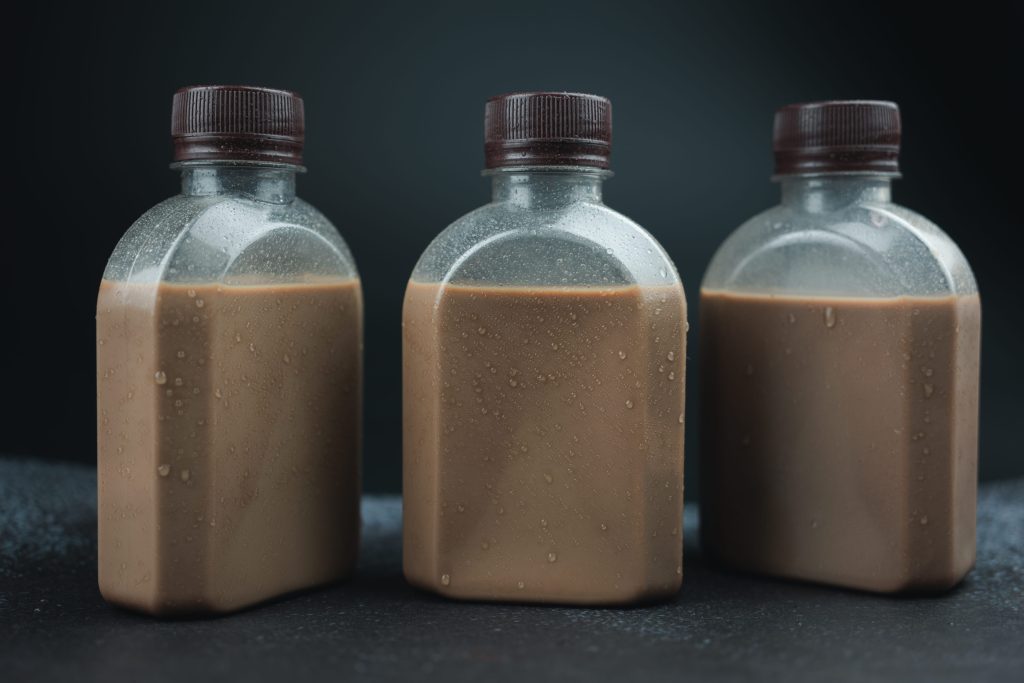
That case of soda or jar of homemade sauce you forgot in the trunk could turn into tomorrow morning’s cleanup project.
Water-based liquids expand as they freeze. That expansion can crack glass, stress containers, and send liquid across upholstery or carpeting.
Water, juice, soda, beer, wine, broth, kombucha, and sauces are all better brought inside instead of being left to freeze overnight.
7. Canned Food
A cold trunk is not a backup pantry.
According to USDA guidance, canned food can expand when frozen, causing the cans to swell.
Don’t include damaged, leaking, fractured, badly dented, or swollen cans in your next meal.
If you have just finished grocery shopping, unloading the canned goods is worth the extra trip from the driveway.
8. Perishable Groceries and Leftovers
It is tempting to think winter weather turns your vehicle into a giant refrigerator. Unfortunately, you can’t control outdoor temperatures.
The FDA says refrigerators should be kept at 40°F or below and freezers at 0°F. A parked vehicle does not reliably maintain either condition.
Food in the trunk can freeze overnight, warm later, and go through repeated temperature swings. Take groceries and leftovers indoors instead of depending on the weather to store them.
9. Eggs, Milk, and Foods in Fragile Containers
Some groceries deserve extra attention simply because of the mess they can make.
Freezing can crack shells, split cartons, and damage thin plastic or other breakable packaging.
Once that happens, you are not only dealing with wasted groceries; you may also be cleaning the seats, trunk liner, or floor mats.
A useful rule: if it contains plenty of liquid and comes in fragile packaging, do not leave it in a freezing car.
10. Musical Instruments
That guitar in the back seat deserves better than spending the night in a frozen parking lot.
Wooden instruments can be sensitive to temperature and humidity changes.
Repeated exposure and abrupt changes can affect finishes, structure, and playability.
Guitars, violins, cellos, woodwinds, and similar instruments are better stored indoors where conditions are more stable.
11. Household Liquids and DIY Supplies
Winter can also wreak havoc on that box of home-improvement supplies you forgot after a weekend project.
Water-based paints, wood glue, latex caulk, liquid detergents, and other household products may freeze, separate, leak, or damage their containers.
Check individual product labels for storage instructions, and keep household chemicals in their original containers rather than using the trunk as long-term storage.
Related: Paint Colors That Can Look Worse in Sunny Rooms, According to Interior Designers
12. Batteries and Battery-Powered Tools
Cold weather slows the chemical reactions batteries depend on.
Energizer notes that low temperatures can reduce battery performance, particularly in equipment that demands a lot of power.
Flashlights, cameras, toys, portable chargers, and power tools may not perform as well after sitting in the cold.
Many batteries regain performance after warming, but a freezing car is still a poor place to store devices you expect to work immediately.
13. Wallets, Documents, Spare Keys, and Visible Bags
Temperature isn’t the biggest problem in this category. Theft is.
Don’t leave wallets, payment cards, identification documents, spare keys, electronics, or bags that look valuable sitting in a vehicle.
Some driving documents, such as registration or proof of insurance, may need to remain accessible depending on local requirements.
Keep everything else sensitive somewhere secure, out of plain view and out of the vehicle.
One important exception to the “bring it inside” rule: a properly assembled winter emergency kit belongs in your car.
Blankets, gloves, a flashlight, charger, warning equipment, jumper cables, and durable nonperishable supplies can be useful roadside gear. The goal is not to empty your vehicle, but to stop treating it like a refrigerator, pantry, electronics drawer, or storage locker.
In winter, a few minutes spent unloading the car can save you from cracked containers, dead gadgets, damaged belongings, and a very messy morning.
Other Posts You Might Like
- 8 Things You Shouldn’t Store in an Unheated Garage Over Winter
- How to Save Energy at Home in Winter and Cut Heating Costs
