


The post America’s 10 Best Small Cities, According to Condé Nast Traveler Readers first appeared on Crafting Your Home.
Something is appealing about a city that feels big enough to offer culture, food, history, and memorable things to do, yet intimate enough to explore without feeling swallowed by it.
That idea is at the heart of Condé Nast Traveler’s 2025 Readers’ Choice Awards, which asked hundreds of thousands of readers to rate travel experiences around the world. In the U.S. cities category, the magazine separated destinations into Small Cities and Large Cities and published a top 10 based on reader voting. The 2025 awards attracted 757,109 votes, according to Condé Nast Traveler.
Here are the 10 cities that made the magazine’s 2025 Small Cities list.
Related: America’s Most and Least Affordable Cities for Housing in 2026
Charleston, South Carolina
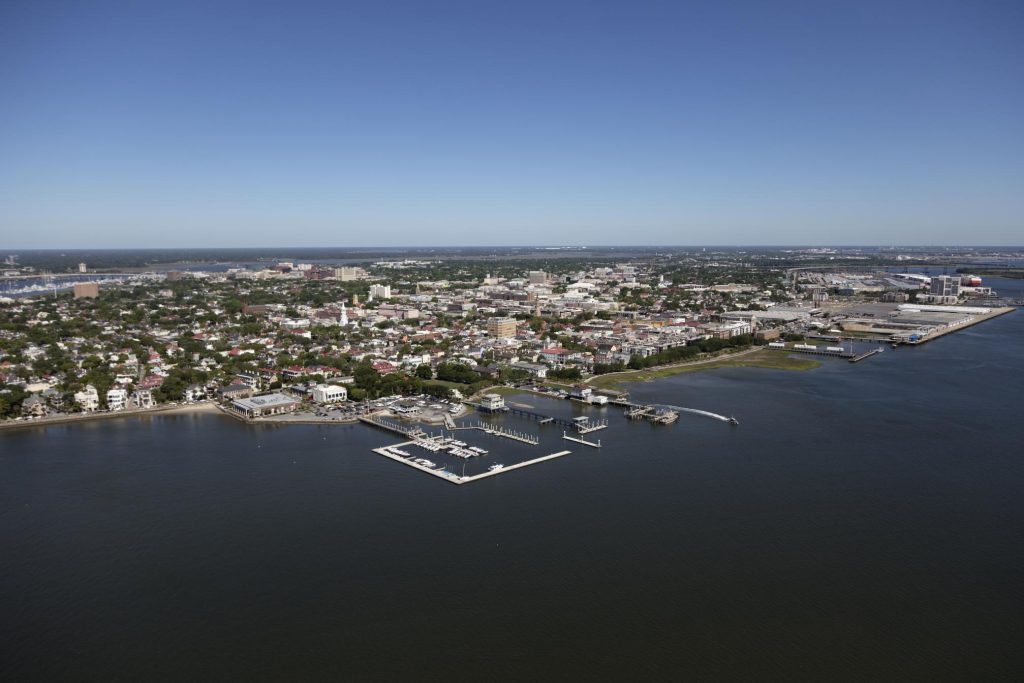
Charleston took the No. 1 spot.
The South Carolina city has long been associated with historic architecture, waterfront scenery, Lowcountry food, and a walkable historic core. Condé Nast Traveler’s reader-awards coverage highlights those characteristics in explaining Charleston’s appeal.
Charleston’s tourism organization separately confirmed the city’s 2025 recognition and described it as another No. 1 finish in the Condé Nast Traveler small-city category. That source is useful confirmation of the award, although it is also promotional material from the destination itself.
The important distinction is that No. 1 refers specifically to Condé Nast Traveler readers’ ranking, not to an objective measurement of every American city’s quality.
Related: Chicago Stole New York’s Steakhouse Crown And Meat Lovers Are Booking Flights to the Windy City
Santa Fe, New Mexico
Santa Fe ranked No. 2.

The New Mexico capital has an identity unlike almost anywhere else in the country. Its adobe architecture, galleries, Indigenous and Hispanic cultural influences, and long-established arts scene are central to its appeal.
The city’s tourism organization independently announced its 2025 Condé Nast Traveler recognition, confirming the No. 2 placement. That announcement is an official destination source, while the ranking itself originates with Condé Nast Traveler’s reader survey.
Santa Fe’s cultural reputation extends beyond the ranking. The city is home to institutions such as the Santa Fe Opera, which describes itself as internationally renowned for its contribution to opera and its varied repertoire.
Alexandria, Virginia
Alexandria came in at No. 3.
Just outside Washington, D.C., Alexandria offers an unusually dense concentration of historic architecture, restaurants, shops, galleries and waterfront attractions.
Condé Nast Traveler’s selection highlights Old Town, King Street and the Potomac waterfront, among other features.
Visit Alexandria independently confirmed the city’s third-place finish. Local reporting also covered the result, providing a second layer of confirmation beyond the destination’s own tourism organization.
That distinction is worth noting: Visit Alexandria’s announcement verifies the award but is not independent journalism, while local news coverage represents independent reporting.
St. Augustine, Florida
St. Augustine ranked No. 4.
Its strongest distinguishing feature is history. St. Augustine dates its founding to 1565, making it one of the oldest continuously inhabited European-established settlements in the United States.
Condé Nast Traveler’s description draws attention to the city’s colonial history, historic sites, and nearby beaches.
The city’s appeal therefore rests on an unusual combination: a historic destination with attractions for visitors who want both cultural sightseeing and time by the water.
The No. 4 position, however, remains a reader-awards result rather than an independently measured ranking of historical or tourism quality.
San Juan, Puerto Rico
San Juan placed No. 5.
The Puerto Rican capital brings something different to the list: Caribbean urban life combined with centuries of history.
Condé Nast Traveler highlighted the city’s historic character, food, art and nightlife. Its coverage also points readers toward Puerto Rican dishes and the distinctive atmosphere of the city’s neighborhoods.
Those descriptions are the magazine’s editorial observations. They should not be confused with independently measured facts about which attractions visitors prefer.
The verified fact is simpler: Condé Nast Traveler readers placed San Juan fifth among the magazine’s 2025 U.S. Small Cities.
Savannah, Georgia
Savannah ranked No. 6.
Few American cities have a visual identity as immediately recognizable. Savannah’s historic district is known for its squares, historic buildings, mature trees, and Spanish moss.
Condé Nast Traveler’s coverage emphasizes the city’s historic architecture, parks, and food scene.
For travelers, part of Savannah’s appeal is that its attractions are concentrated within an environment that encourages walking and slow exploration.
Again, the ranking itself is the measurable claim. Descriptions of Savannah as particularly charming, atmospheric, or romantic are editorial judgments, not scientific measurements.
Oakland, California
Oakland came in at No. 7.
The Bay Area city is the most urban and culturally complex destination on this list.
Condé Nast Traveler’s coverage gives considerable attention to Oakland’s Black history and culture, arts, music, food, and independent businesses. The magazine also emphasizes the city’s location across the bay from San Francisco.
Local television outlet KTVU independently reported Oakland’s appearance on the list and included comments from local officials and tourism representatives.
That makes Oakland a useful example of why reader rankings can produce results that differ from conventional tourist assumptions: the Condé Nast ranking reflects what its readership values in a city, rather than simply measuring visitor numbers.
Lexington, Kentucky
Lexington ranked No. 8.
Lexington’s identity is closely connected to Kentucky’s horse industry and bourbon heritage.
Condé Nast Traveler highlighted the city’s horse-country attractions, distilleries, and food scene. Lexington’s position also received independent coverage from the Lexington Herald-Leader, which reported the Condé Nast result and local reaction.
That combination, original award data plus local reporting, provides stronger verification than relying solely on a tourism organization’s announcement.
Related: Something Is Shifting in America’s Cities This Year And the Data Backs It Up
Honolulu, Hawaii
Honolulu took No. 9.
Honolulu may be the most obvious reminder that Condé Nast Traveler’s “Small Cities” designation should not be treated as a literal population classification.
The magazine’s awards category is its own classification. Honolulu is a major urban center, but it appeared in Condé Nast Traveler’s Small Cities category.
The magazine highlighted attractions and experiences including Diamond Head, Waikiki, Chinatown, and the city’s multicultural food scene.
For an article, the safest wording is therefore “No. 9 in Condé Nast Traveler’s Small Cities category,” rather than suggesting Honolulu is objectively one of America’s smallest cities.
Pensacola, Florida
Pensacola rounded out t