


This article was originally published on Crafting Your Home. A human contributor also wrote and edited the post.
The post 9 Things That Happen When Grandparents Live Nearby, According to Research first appeared on Crafting Your Home
Grandparents have always been part of family life, but a run of recent studies has started putting numbers on something families suspected all along: that living close to them changes outcomes in measurable ways, for the kids and for the grandparents themselves.
The research spans continents and methods, from Cornell demographers mapping exact mileage between households to Chinese longitudinal health surveys tracking mortality over a decade, and the findings line up more often than not.
None of it is simple cheerleading for proximity. Some of the research complicates the picture as much as it supports it. Here are nine things studies have found happen when grandparents live nearby, including a few that are worth taking with a grain of salt.
What Happens for the Grandparents
They tend to live longer
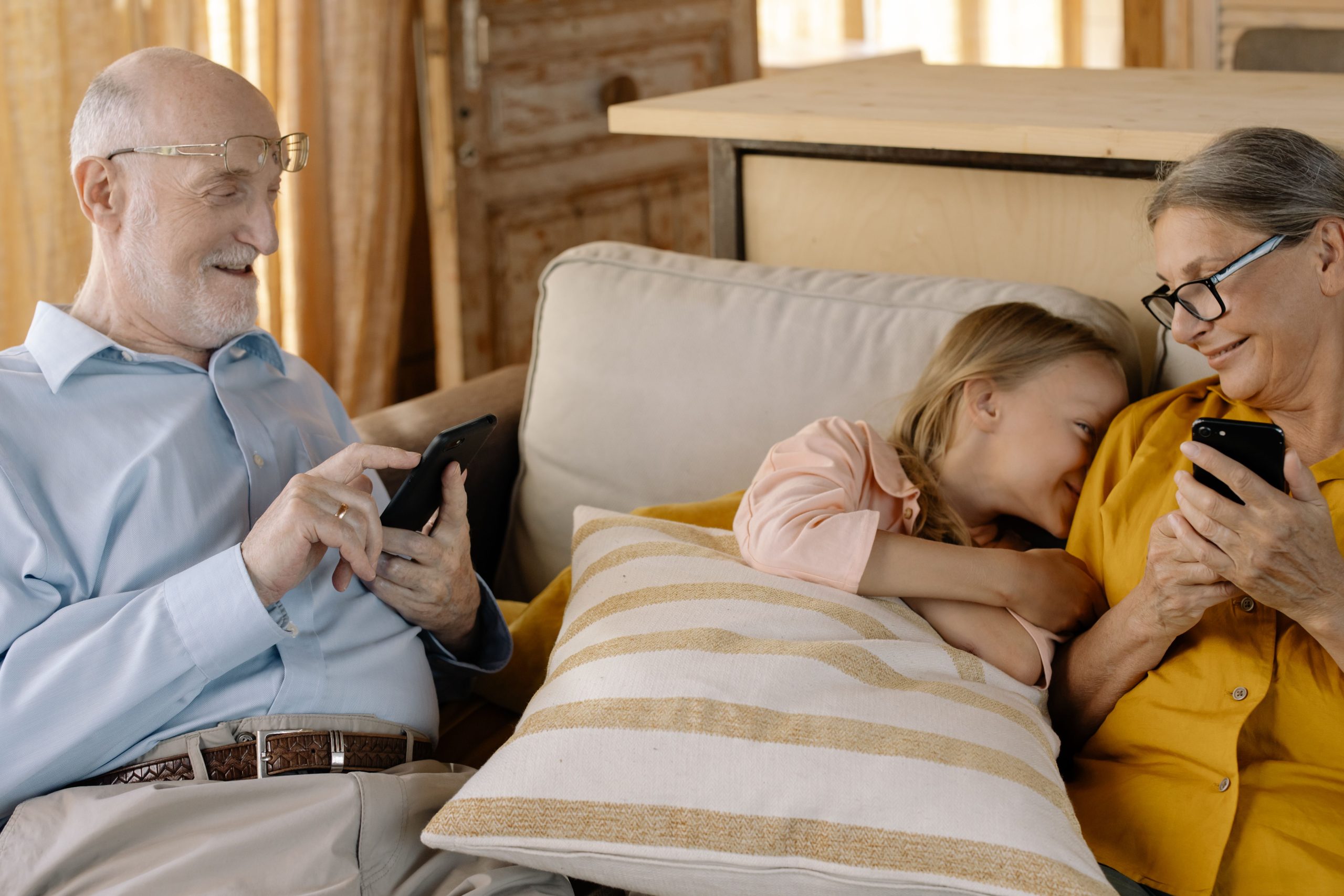
The clearest finding in this entire body of research is also the most striking. Grandparents who babysit grandkids regularly had a 37% lower mortality risk than adults who did not, with researchers suspecting the effect has something to do with staying mentally active and having a purpose.
A separate study of periodic caregivers found something similar. Grandparents who regularly provided periodic care, not primary care, for their grandchildren lived five years longer than grandparents who didn’t provide care.
The dose appears to matter, since the benefit shows up for involved but not all-consuming caregiving, not for raising a grandchild full time.
Related: 9 Lessons From People Who’ve Been Grandparents for 30 Years
Their cognitive health gets a boost
Proximity doesn’t just extend life; it appears to help the brain in the years leading up to it.
A 2021 study published in Psychiatry Investigation found that caring for grandchildren can positively affect older adults’ cognition, and an NIH study found that grandmothers who spent one day a week caring for children had a reduced risk of Alzheimer’s.
That one-day-a-week detail is notable, since it suggests the benefit does not require constant contact, just a regular, meaningful dose of it.
They get a genuine hormonal and emotional lift
Grandparents light up around their grandchildren for a physiological reason, and it shows up on a brain scan. The Cleveland Clinic found that being around grandchildren can increase levels of feel-good hormones such as dopamine and oxytocin.
Researchers have also looked at whose face triggers that response. Researchers at Emory University found that during scans, a grandmother’s brain region associated with emotional empathy lit up when she saw photos of her grandchildren, a reaction that did not happen when she looked at photos of her own adult children.
What Happens for the Grandchildren
They are less likely to struggle with depression as adults
The benefit of proximity runs in both directions across generations, and it shows up decades later.
A 2014 study out of Boston College linked close emotional relationships between grandparents and adult grandchildren to lower rates of depression, for both the elderly and their adult grandkids.
A separate Boston College study reached a similar conclusion from the other direction. A 2013 Boston College study, which looked at relationships between grandparents and their adult grandchildren, found that both experienced psychological benefits.
They grow up less biased against older people
Regular contact with a grandparent appears to reshape how kids see aging itself. In a study of 1,151 Belgian kids aged 7 to 16, researchers found that kids close to their grandparents are