
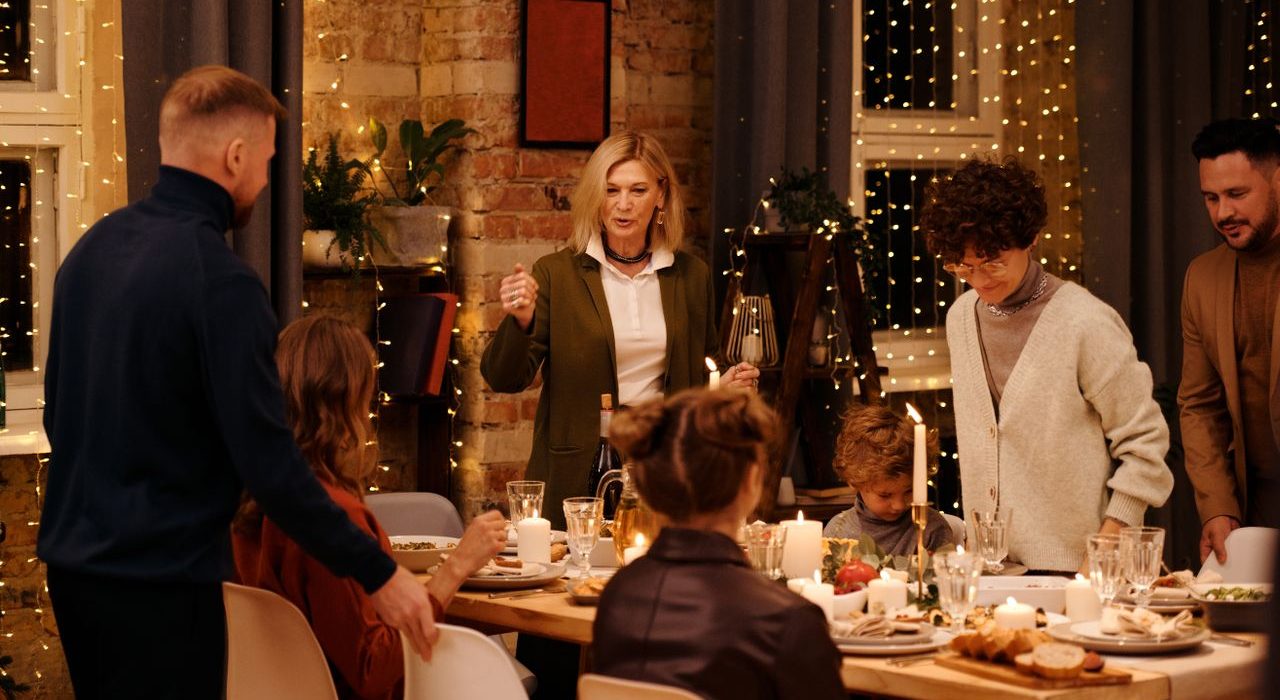

The post 9 Things That Make a Family Reunion Actually Fun first appeared on Crafting Your Home.
Family reunions have a strange reputation. They are supposed to bring everyone together, yet a badly planned one can leave relatives checking the time, hiding in their cars, or counting down until dinner.
The difference usually comes down to what people are actually being asked to do. A reunion becomes more enjoyable when the day gives relatives reasons to interact, rather than simply putting a large group of people in one place.
For American families spread across states, cities, and households, getting everyone together can already require coordination. A 2021 Pew Research Center survey of 9,676 U.S. adults found that 55% lived within an hour’s drive of at least some extended family, while 20% said none of their extended family lived that close. The share was lower among adults with postgraduate degrees, with 32% saying they were not near any extended family.
That distance makes the actual reunion matter. The day should give people enough reason to enjoy being in the same room, not just endure the logistics of getting there.
Give people something to do besides eat

Food can anchor a reunion, but it cannot carry the entire event. A long table eventually becomes a collection of separate conversations, especially when cousins, grandparents, children, spouses, and relatives meeting for the first time are all expected to mingle without anything else happening.
A simple activity gives people an opening. Family trivia, a casual tournament, lawn games, a photo challenge, or a shared craft can give awkward conversations somewhere to go.
AARP has profiled family reunions that use games to bridge generations, including a long-running Alabama reunion where relatives developed recurring activities specifically to encourage mingling. The publication notes that games can keep people engaged while giving them opportunities to tell stories and share family history.
The most useful activities rarely require a professional entertainer. They give relatives something to react to, compete over, laugh about, or remember later.
Stop treating the schedule like a conference agenda
Some reunions become so carefully programmed that nobody has room to breathe. A welcome speech, followed by lunch, followed by games, followed by photographs, followed by another activity can make a supposedly relaxed gathering feel strangely formal.
Leave space.
Research on leisure experiences supports the idea that the structure surrounding an activity matters. A 2022 review of adolescent structured leisure research described positive experiences as depending partly on context, supportive relationships, opportunities for belonging, and the experience participants have while taking part.
That makes a packed itinerary worth questioning. People need time to wander between groups, discover who has arrived, sit with a different relative, or take a break from the crowd.
A reunion doesn’t become more successful because every fifteen minutes has a purpose.
Make the food communal and easy to navigate
A reunion meal works differently from an ordinary dinner. People move around, children may eat at different times, and guests often want to sample several dishes rather than commit to a formal plated meal.
Large shared dishes, clearly identified options, drinks in one area, and desserts people can return to later can keep food from becoming a logistical bottleneck.
Family recipes add another layer. A dish associated with a particular grandmother, region, holiday, or household can give relatives something concrete to discuss, especially when several generations remember the same food differently.
Build one activity around family history
A reunion can be one of the few occasions when several generations are physically together. Wasting that opportunity on generic entertainment can leave a remarkable amount of family knowledge untouched.
Create something that depends on the people in the room.
The National Archives maintains dedicated resources for genealogists and family historians, including census records, military service records, immigration records, and naturalization records. Those materials can give families a starting point for tracing names, places, occupations, and movement across generations.
A family timeline can spark conversation. An old-photo guessing game can reveal forgotten stories. Younger relatives can ask older family members about childhood neighborhoods, jobs, relatives, or places that no longer look the same.
The important part is participation. One person should not have to deliver the entire family history while everyone else sits quietly.
Give children their own corner of the day
Adults sometimes design reunions around adult conversation and then wonder why younger relatives disappear.
Context matters to children’s recreational experiences. Physical activity most often occurs outdoors and frequently involves friends and family together.
That gives reunion planners a practical clue. A child does not have to spend the afternoon at a table simply because the adults have chosen to do so.
A scavenger hunt, simple competition, supervised craft table, outdoor game, or designated play area can include younger guests while giving parents room to socialize.
Related Post: 9 Things to Put Away Before Holiday Houseguests Arrive
Do not force emotional moments
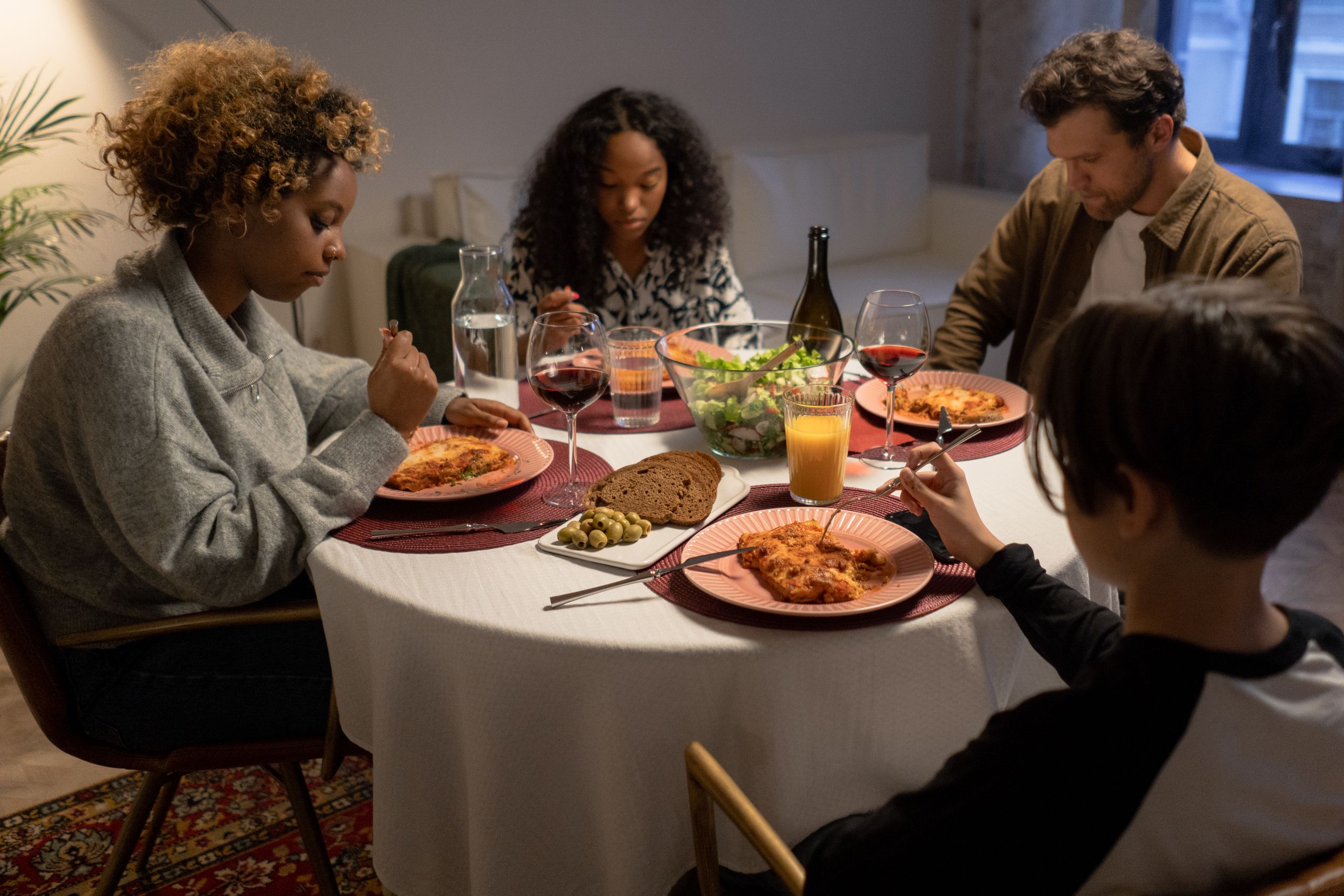
Family events sometimes come with an unspoken expectation that everyone should be sentimental. Speeches about tradition, obligatory group photographs, surprise presentations, or attempts to recreate memories that mattered to previous generations can make it feel forced.
That can become awkward quickly.
Some relatives are naturally expressive in public. Others are more comfortable catching up quietly while helping with food or sitting away from the largest group.
A good reunion leaves room for both kinds of participation. The strongest memories may come from a completely ordinary conversation while someone waits for dessert or helps clear a table.
Mix generations deliberately
Family photographs have obvious value at reunions, particularly when relatives rarely gather in the same place. The problem begins when everyone spends so much time arranging poses that the gathering starts revolving around documentation.
Choose a few meaningful photographs.
A full-family portrait makes sense. Smaller groups can capture siblings, cousins, grandparents, and new family members. Candid photographs can preserve details that a formal pose misses.
The camera should document the reunion rather than become its unofficial host.
Make photographs part of the event without making them the event
Family photographs have obvious value at reunions, particularly when relatives rarely gather in the same place. The problem begins when everyone spends so much time arranging poses that the gathering starts revolving around documentation.
Choose a few meaningful photographs.
A full-family portrait makes sense. Smaller groups can capture siblings, cousins, grandparents, and new family members. Candid photographs can preserve details that a formal pose misses.
The camera should document the reunion rather than become its unofficial host.
Related Post: Brilliant Ways to Make Your Home Holiday-Ready
End before people are exhausted
A reunion doesn’t have to last all day just because people traveled to attend.
Travel is already a meaningful part of American family visits. In a June 2025 Marist Poll survey of 1,381 U.S. adults, 26% of respondents who planned a summer vacation said their main goal was visiting family and friends. Among all respondents, 41% said the ideal vacation length was one week, while 12% preferred a long weekend.
For a reunion, that makes the ending worth planning too. At some point, conversation becomes repetitive, children grow restless, adults grow tired, and another scheduled activity adds little.
A simple final group photograph, dessert table, informal goodbye, or announcement about the next gathering can provide a natural stopping point.
Other Posts You May Like
- 10 Holiday Traditions Born from Poverty: A Glimpse into the Origins of Festive Customs
- 9 Best Countries to Visit in Winter for an Unforgettable Holiday
If you like what you just read, then subscribe to our newsletter and follow us on social media.


