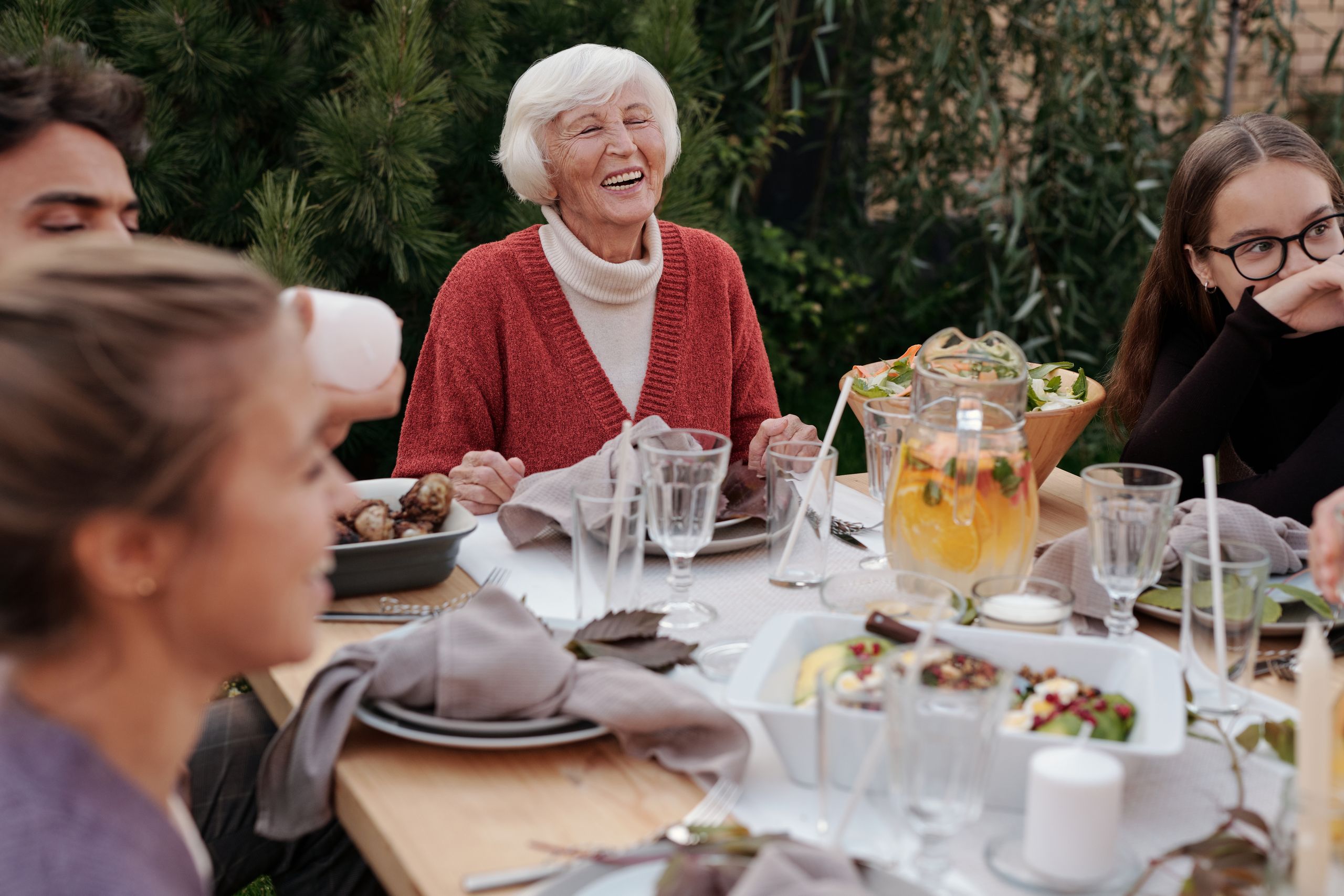
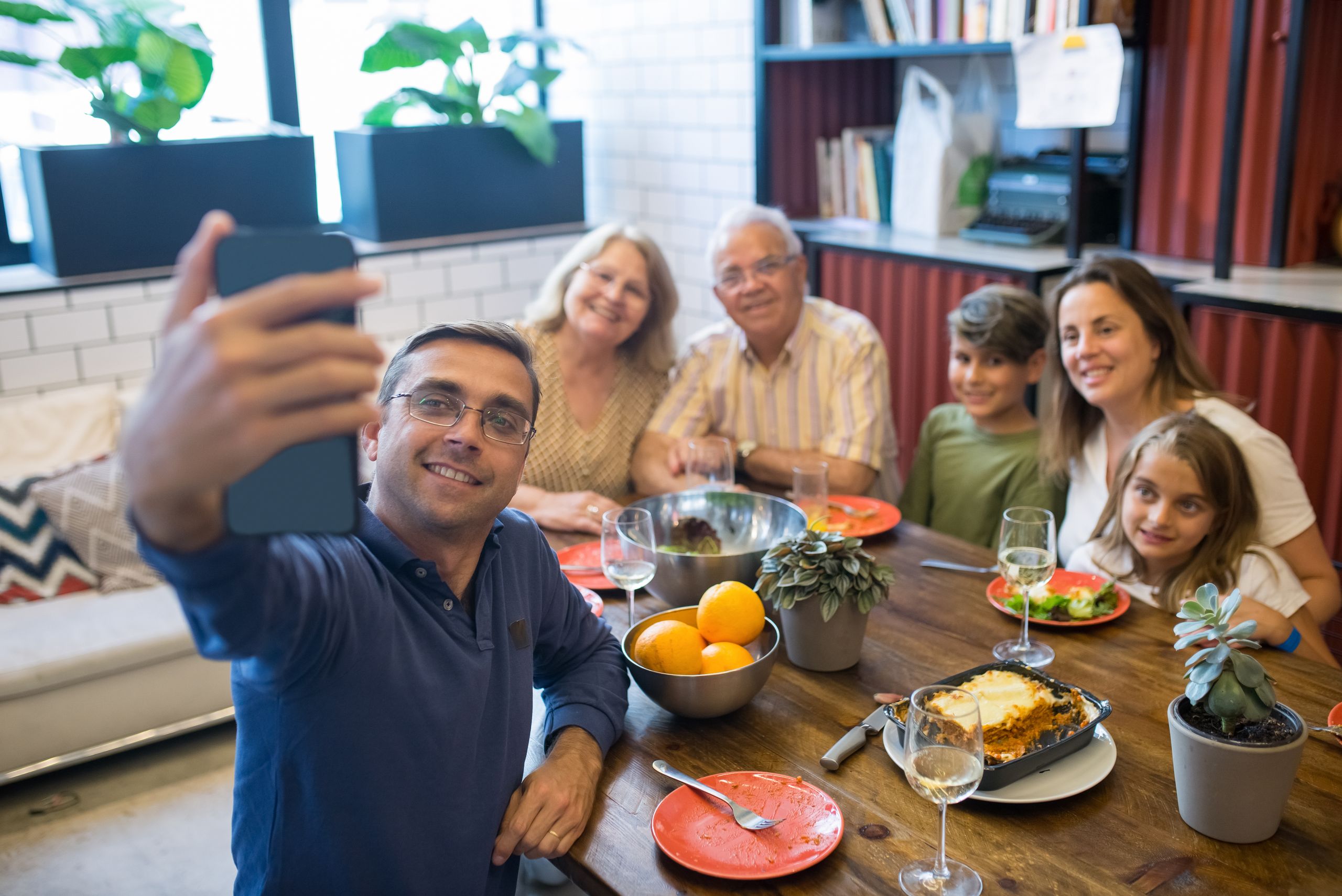
For many people who grew up during the Baby Boomer era, the dinner table was more than just a place to eat. It was where families connected, shared stories, learned manners, and spent uninterrupted time together. Mealtimes often followed routines that created a strong sense of togetherness.
While every family was different, many traditions that were common decades ago are less common in many households today. Here are eight things many Boomer families often did at the dinner table that families may do less frequently now.
Eating Together as a Family
Image credit: Askar Abayev/pexels
One of the most remembered traditions was gathering everyone around the table at the same time. Parents, children, and sometimes grandparents would sit down together for a shared meal.
Dinner was treated as an important daily event, not something that happened whenever everyone had a free moment. It gave family members a regular chance to reconnect after a busy day.
Having Conversations Without Screens
The dinner table was often a distraction-free space. No smartphones, tablets, or constant notifications competed for attention.
Families talked about their day, shared opinions, told jokes, and discussed everyday events. These conversations helped family members understand one another and build stronger relationships.
Waiting Until Everyone Was Served
Image credit:Kampus Production/pexels
Many children learned traditional table manners, including waiting until everyone had their food before eating.
This simple habit encouraged patience and consideration. It reminded children that meals were shared experiences where everyone’s presence mattered.
Talking About the Day
Dinner often became the time for family members to catch up with one another. Children might share what happened at school, parents might discuss their work, and everyone could talk about upcoming plans.
These conversations were not always serious or lengthy, but they created a daily connection that helped families stay involved in each other’s lives.
Helping Prepare and Clean Up
Image credit: Askar Abayev/pexels
In many households, children were expected to participate in mealtime responsibilities. They might set the table, help serve food, clear dishes, or wash up afterward.
These tasks taught responsibility and teamwork. They also showed children that running a household was a shared effort.
Practicing Good Table Manners
Many Boomer-era families placed strong emphasis on manners during meals. Children were often reminded to sit properly, use utensils correctly, avoid interrupting, and show appreciation for the food.
While expectations varied from home to home, the dinner table was often viewed as a place where children learned respect and consideration.
Sharing Family Stories
Image credit:Vitaly Gariev/pexels
The dinner table was a natural place for storytelling. Older family members shared childhood memories, talked about relatives, or told funny stories from the past.
These conversations helped younger generations learn about their family history and created connections between different generations.
Enjoying Simple Meals Without Distractions
Dinner did not need to be elaborate to be meaningful. Many families found joy in ordinary meals prepared at home and enjoyed together.
The focus was often less on the food itself and more on the experience of sitting together. A simple meal could become memorable because of the laughter, conversations, and relationships built around it.
The dinner table has changed over time as lifestyles, schedules, and technology have evolved. Many families still value shared meals today, but the routines around them may look different.
For those who remember the dinner tables of the Boomer era, the biggest lesson is that the table was never just about eating. It was a place where families connected, traditions were passed down, and everyday moments became lasting memories.