


This article was originally published on Crafting Your Home. A human contributor also wrote and edited the post.
The post 9 Things Men Say They Miss About Dating Before Smartphones first appeared on Crafting Your Home
Ask a man over 35 what he remembers about early dating and phones usually come up fast, but not the way you would expect. People don’t miss the lack of a screen.
It is what that screen quietly took away: the courage it takes to walk up to a stranger, the risk of a phone call nobody can dodge, the simple fact that a date once had someone’s full attention.
The accounts that surface on dating forums, advice columns and personal essays tend to circle the same handful of complaints. None of it is really anti-technology nostalgia.
It is a specific list of things that dating apps and texting have made optional, and that a lot of men say they wish were not.
The Way People Actually Met
Approaching someone in person, without a screen to hide behind
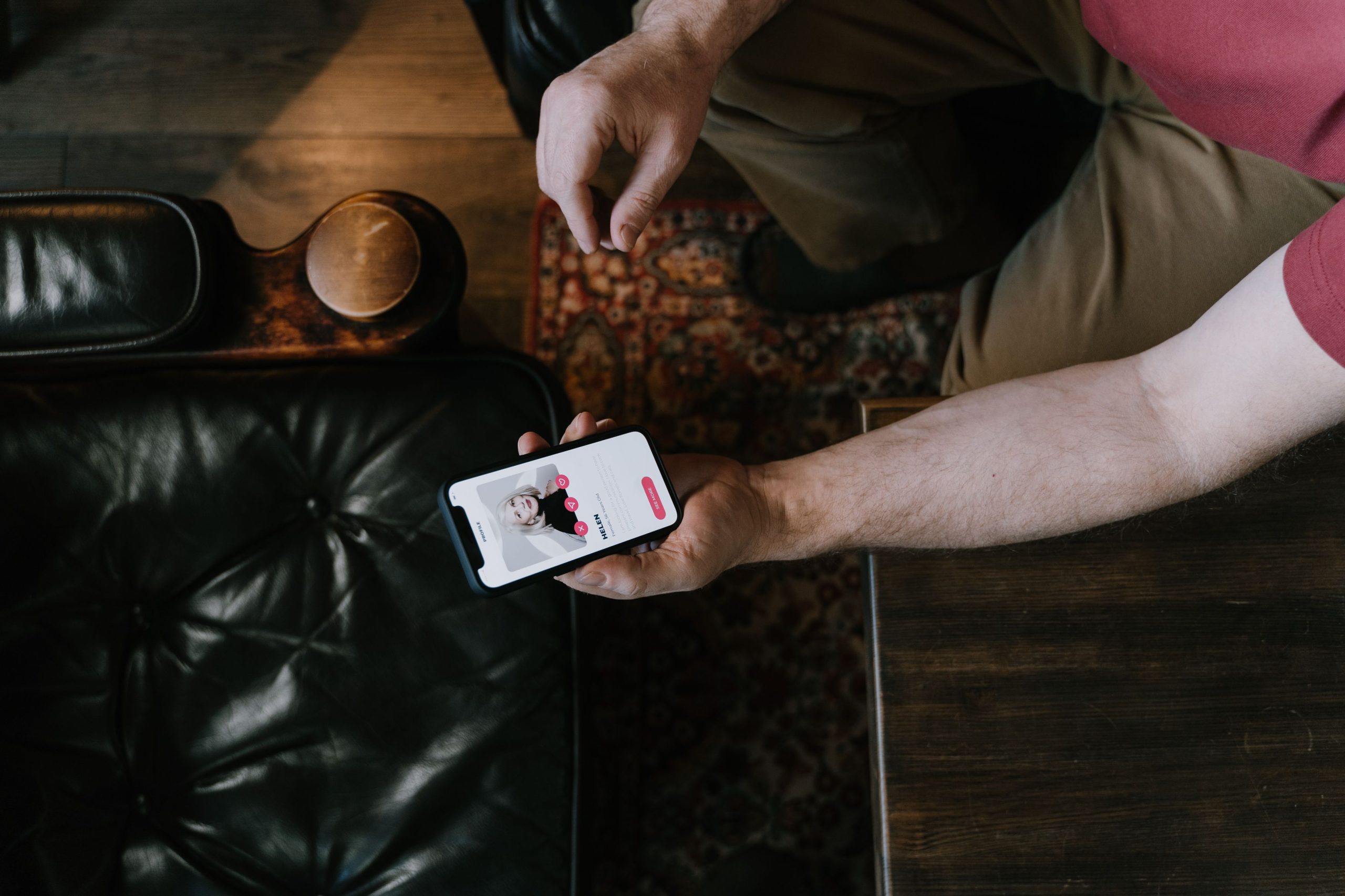
Before an app could do the introducing, meeting someone meant walking up and saying something, in real time, with no delete key.
Reporting on the current dating landscape notes that on dating advice forums, some users now express real discomfort at the idea of being asked out face-to-face, a reaction that would have seemed strange a generation earlier, when that was simply how it was done.
The old version was riskier in the moment, since rejection happened instantly and in front of you, but a “yes” also carried real weight because it came from someone who had already seen your whole face and heard your actual voice.
Related: Online Dating Mistakes Women Should Avoid and Smart Ways to Find Better Matches
Meeting through people who already knew you both
Before an algorithm did the matching, a friend, a coworker, or a sibling often did it instead, and that built-in vetting mattered.
One writer reflecting on dating before smartphones described preferring that people were essentially vetted by someone she already knew, rather than meeting a total stranger cold online.
That kind of introduction came with context a profile could never offer: a shared friend group, a reputation, someone to ask if things went sideways.
Related: The “No More Guessing” Era of Dating: Why Boundaries Are Becoming the New Relationship Green Flag
A phone call instead of a string of texts
The voice call used to be the default, not a last resort saved for after a relationship was already serious. One account of pre-smartphone dating recalls treasuring a limited monthly allotment of texts, precious enough that each one from a crush felt like something to be savored, while real conversation still happened out loud, over the phone.
A call forces two people to actually talk in real time, no pausing to craft the perfect reply, no reading tone into a stray punctuation mark, and plenty of men say that immediacy is exactly what modern texting quietly removed.
The Way a Date Actually Felt
One person at a time, instead of a dozen open conversations
Before an app turned dating into a constant stream of new profiles, a person generally focused on whoever they were actually talking to.
That shift shows up clearly in how men describe dating apps now, since one account of a promising Hinge connection noted that after matching with several women who checked every box, most conversations stalled after only one or two texts, a pattern of easy, low-stakes contact that rarely built into anything.
When there is no infinite scroll of alternatives waiting behind the current conversation, the person in front of you tends to get more of your actual attention.
Related: Why Men Are Giving Up on Pursuing Women: 8 Harsh Truths About Modern Dating
Undivided attention once the date started
A date before smartphones had a hard boundary, since no phone buzzed with a message from someone else you were also talking to. Once you sat down across from someone, that was the whole conversation, not one of several running at the same time.
That single-threaded focus is part of what several men describe missing most, not the absence of the phone itself, but the absence of the mental math that comes with knowing a dozen other conversations are still going on in your pocket.
Actually getting to know someone, instead of scrolling that trust away
Before a full life history sat in a bio, getting to know someone took real conversation, spread across an actual evening rather than a five-minute scroll before a first date.
One newsletter reflecting on the shift before 2008 put it plainly, noting there was little information available about someone romantically without direct, face-to-face interaction.
That slower reveal meant surprises, but it also meant every date carried genuine discovery instead of confirming facts you had already skimmed the night before.
The Way People Treated Each Other
Rejection that came with an actual explanation, not silence
Ghosting existed before smartphones too, but disappearing on someone took more effort when you might run into them at the same bar, church, or mutual friend’s party the following weekend.
Match’s Singles in America survey data, reported by Axios, found that ghosting and related vanishing acts like breadcrumbing and benching have become common enough to earn their own vocabulary, phenomena that barely needed names when a shared social circle made quietly disappearing much harder to pull off cleanly.
Related: 10 Reasons Older Men Are Saying No to Dating Younger Women
A first date that meant someone had made a real decision
Setting up a date used to require a specific ask and a specific answer, not an open-ended, low-commitment match that could fade out anytime without a word.
Men describing their frustration with modern apps often point to exactly this gap, watching a conversation build up real momentum only to end without any actual date ever getting set, or set and then abandoned at the last minute.
A phone call to ask someone out, and a firm yes or no in return, left far less room for that kind of ambiguity.
Less overthinking, because there was less room for it

A limited number of texts and no algorithm feeding a constant stream of new options left less space to second-guess every message.
One person recalling their teenage dating years before smartphones described treasuring a strict monthly text allowance, precious enough that each message got real thought rather than an instant, low-effort reply.
Modern texting removed that friction entirely, and while that sounds like an upgrade, plenty of men say the endless, frictionless back-and-forth it enabled has made overthinking a message, or a match, or a conversation that goes nowhere, the norm rather than the exception.
Conclusion
None of this is really an argument that dating apps ruined romance, and most of the men quoted or paraphrased above still use them.
What comes through instead is a specific kind of fatigue, with infinite options, low-effort contact, and disappearing acts that used to be socially harder to pull off.
What men say they miss was never really about rotary phones or 160-character limits. They were about a version of dating that demanded more effort upfront, and in exchange, delivered more certainty about where you actually stood.
Other Stories You Might Like
- 8 Old-Fashioned Dating Habits Women Over 50 Say They Still Love
- What a Typical 1960s Wedding Looked Like Compared to Today
If you like what you just read, then subscribe to our newsletter and follow us on social media.