


The Post: 8 Things You Should Never Post About Your Partner on Social Media first appeared on Crafting Your Home.
Sharing a sweet couple photo or celebrating a special moment online can be fun. But some relationship moments are better kept between two people.
Before hitting “post,” ask whether the content protects your partner’s privacy, respects their wishes, and reflects a story they would actually want shared.
Social media can bring couples closer, but it can also turn private moments into public conversations.
From arguments and personal messages to location details and financial information, some posts can create problems long after the likes and comments stop coming.
Here are eight things you should think twice about posting about your partner.
1. Private arguments or relationship complaints
A disagreement may feel frustrating in the moment, but posting about it can turn a personal issue into a public event. Screenshots of arguments, vague complaints, or posts clearly aimed at your partner can invite strangers, friends, and family members into a situation they do not fully understand.
A research study on romantic relationships and social media found that participants viewed posting relationship problems and disrespectful information about a partner as inappropriate online behavior.
Meaningful moments were more likely to be considered acceptable when both partners were comfortable with the content.
A good rule: discuss the issue with your partner before discussing it with your followers. A temporary argument can leave a permanent digital record.
2. Their private messages, photos, or conversations
A message sent directly to you is not automatically meant for your entire social network. Don’t share text screenshots, private emails, direct messages, voice notes, or personal photos without clear permission.
Even removing a name does not always guarantee privacy.
Friends or followers may recognize writing styles, timing, conversation details, or the situation being described.
A 2020 Pew Research Center survey found that many Americans view checking a partner’s phone without their knowledge as unacceptable, highlighting how digital privacy is often considered a relationship boundary.
Before posting a screenshot or private message, ask a simple question: “Are you okay with me sharing this?”
Related: 12 Private Relationship Matters You Should Never Share with Friends
3. Intimate images or sexual details
Private moments should stay private unless both people clearly agree otherwise. This includes intimate photos, sexual messages, personal body details, or stories about private experiences.
Consent matters beyond the original moment.
Agreeing to take or send an intimate image does not mean agreeing to share that image publicly.
The federal Take It Down Act, passed in 2025, addressed the publication of nonconsensual intimate visual depictions, including certain AI-generated fakes. While laws and platform rules vary, the basic principle remains simple: do not share intimate content without explicit permission.
4. Live location, home details, or daily routines
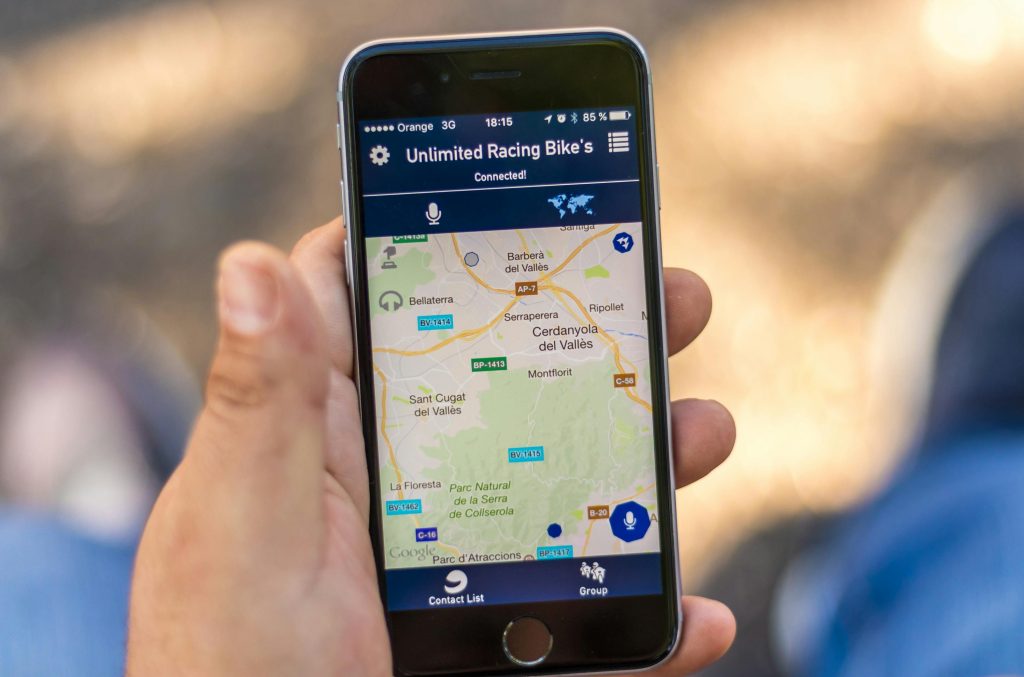
A casual post can reveal more than expected. A live check-in, vacation update, workplace photo, or home picture might accidentally show where your partner lives, works, spends time, or when they are away.
Be careful with details such as house numbers, travel plans, workplace information, school routines, license plates, security features, and even objects visible in the background.
Privacy experts have warned that location-sharing features and connected apps can reveal information users may not intend to make public. Consider posting vacation photos after returning instead of announcing that your home may be empty.
5. Financial information or purchases
Celebrating a new home project, gift, or purchase can be exciting. However, the details behind that celebration may not belong online.
Avoid sharing bank balances, pay information, bills, tax documents, debt stories, receipts, order confirmations, booking numbers, or anything that reveals account details.
Even a picture of a gift can reveal more than you expect if it includes a receipt, address, barcode, or personal information.
Before posting, check the background carefully. A quick crop can prevent a privacy mistake.
6. Personal health or private life challenges
Some life updates are deeply personal and should belong to the person experiencing them. This includes medical information, therapy details, fertility news, recovery journeys, hospital updates, or other sensitive experiences.
Even posts made with good intentions can take away someone’s choice about who knows their personal story.
That does not mean couples must hide difficult moments.
The important question is whether the person involved has chosen to share that information publicly.
A safer approach may be to ask for support without revealing private details unless your partner has agreed.
7. Embarrassing or disrespectful content
A funny post should be funny for both people. Photos or videos of your partner asleep, upset, crying, sick, angry, or uncomfortable may get reactions online, but they can also leave someone feeling exposed.
The same goes for jokes about appearance, intelligence, family, finances, or personal struggles.
A laughing emoji does not always make a person feel respected. If your partner would feel embarrassed or blindsided seeing the post, it may not belong online.
Related: 10 Worst Things People Post on Their Stories Without Realizing Everyone Is Judging
8. Breakup details, accusations, or posts made in anger
Few emotions are stronger than anger after a relationship conflict or breakup. But social media is not always the best place to process those feelings.
Public accusations, revenge posts, private “receipts,” or messages meant to hurt an ex can spread quickly and remain searchable long after emotions change.
Pew Research Center found that 53% of social media users have used platforms to check up on a former partner, meaning breakup posts may reach a much wider audience than expected.
If a situation involves safety concerns, prioritize getting appropriate support over creating a public confrontation.
A simple question before you post
Before sharing anything about your partner, ask yourself: Did they agree to this exact post? Could it reveal private information? Would they still be comfortable if their family, coworkers, or future self saw it?
Social media is not the enemy of relationships; the key is making sure respect and consent come before the post button.
Other Posts You Might Like
- 10 Reasons Modern Daters Keep Their Partners Off Social Media—and Why It Isn’t Always a Red Flag
- 7 Reasons Why People Are Quitting Social Media
- 6 Ways Social Media Is Affecting Mental Health More Than We Realize
If you like what you just read, then subscribe to our newsletter and follow us on social media.
