



The post 8 Things Only Children Wish People Understood first appeared on Crafting Your Home.
Being an only child often comes with assumptions that do not match reality. Some people imagine a childhood filled with constant loneliness, extra attention, or a lack of social skills, but the experience is far more complicated. Only children often grow up with their own mix of independence, expectations, close family bonds, and unique challenges that others may not always notice.
Here are eight things many only children wish people understood.
I’m not automatically selfish or spoiled
The idea that only children are naturally spoiled or self-focused is one of the most common stereotypes. Growing up without siblings does not automatically mean someone struggles with sharing, caring about others, or understanding different perspectives.
Research has not found a general difference in narcissism, arrogance, or entitlement between people who grew up with siblings and those who did not. Being an only child says very little about someone’s personality, and assumptions based only on family size miss the bigger picture.
Being alone isn’t the same thing as being lonely
An only child may be more familiar with spending time independently, but enjoying personal space is not the same as feeling isolated. A quieter childhood home can create opportunities for solo interests and independent routines without automatically meaning a child lacks connection.
Alone time and loneliness are different experiences, and only children can experience either one just like anyone else. Available evidence does not show that only children are generally lonelier later in life.
Friends can be real family, but they do not erase the absence of siblings
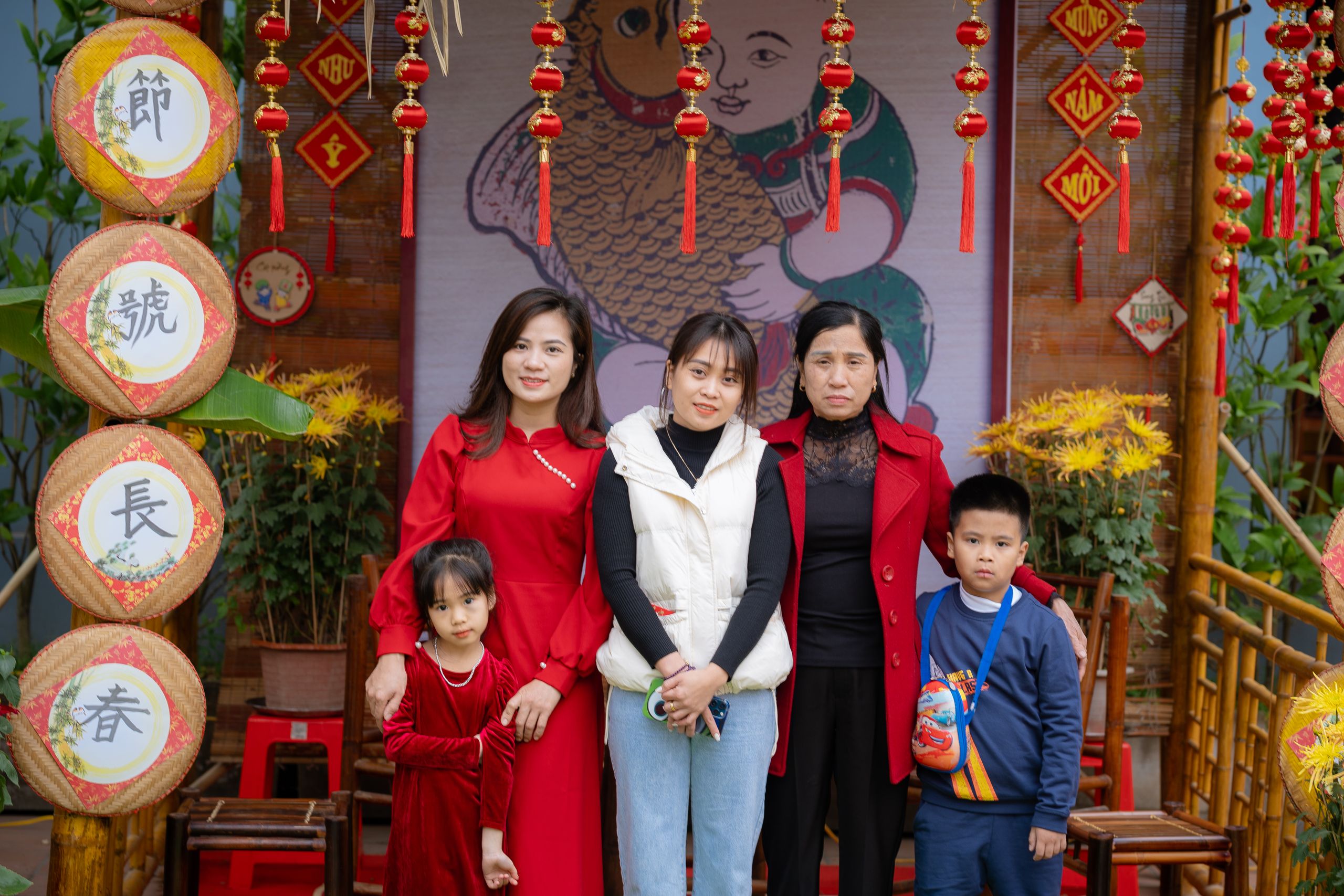
Many only children build strong friendships, close relationships with cousins, and meaningful support networks outside their immediate family. Those connections can become incredibly important, but a close friend is not always the same as having a sibling who shares the same family history.
Friendships can provide deep support, but it is fair to recognize that sibling relationships and friendships are different experiences. Research does not show that only children have a major social disadvantage overall.
When parents age, there may be no sibling to share the responsibility
One challenge that becomes more noticeable in adulthood is caring for aging parents without siblings to divide tasks. An only child may be the person making calls, organizing paperwork, managing bills, or helping with care because there is no brother or sister to share those responsibilities.
This does not mean every only child will struggle or feel overwhelmed, but it is a practical reality that can require planning. Research from U.K. adult cohorts found only children were more likely to be caregivers for parents by certain ages, while the study did not find that they experienced worse mental health or well-being compared with caregivers who had siblings.
Being an only child is not a shortcut to a certain personality, it is simply one family experience with its own strengths, pressures, and stories.
Related: 10 Things Boomers Do During Family Visits That Their Adult Children Secretly Hate
Having all of my parents’ attention can feel like pressure, not a prize
Being the only child can mean receiving a lot of parental attention and investment, but that attention can also come with a unique kind of pressure. With only one child, parents’ hopes, worries, expectations, and celebrations may all focus on the same person. The honest verdict: extra attention isn’t automatically a problem, but some only children may feel they lack a sibling buffer around milestones and expectations.
My parent relationship may be especially close, and that isn’t automatically unhealthy
Only children can sometimes have especially close relationships with their parents, partly because no sibling shares that family space. Older research reviewed by APA found that only children tend, on average, to report more positive parent-child relationships than children with siblings.
A close family bond can be a positive part of growing up, and family dynamics matter more than simply whether someone has brothers or sisters.
Please stop treating my family as incomplete
Some people still assume a family needs multiple children to feel complete, but family experiences aren’t measured by headcount.
One-child households are part of many families’ realities, and their meaning depends on the people in them, not the number of children. Only-child families deserve to be viewed as whole families, not as something missing a piece.
I wasn’t raised in a “practice-free” social world
A common assumption is that only children never learn to compromise, negotiate, or handle disagreements because they didn’t grow up with siblings. In reality, social skills can develop through many places, including school, friendships, extended family, activities, and community experiences.
Siblings may provide one type of social practice, but they are not the only path to learning how to work with other people. Evidence does not support the idea that only children are generally socially unprepared.
Related: 8 Family Rules That Can Make Everyday Life Feel Less Chaotic
Other Posts You Might Like
- 10 Screen-Free Family Activities That Can Bring Everyone Closer Again
- What Children Remember Most About Their Childhoods, According to Research
- 7 Reasons American Families Are Having Fewer Children Than Before
If you like what you just read, then subscribe to our newsletter and follow us on social media.