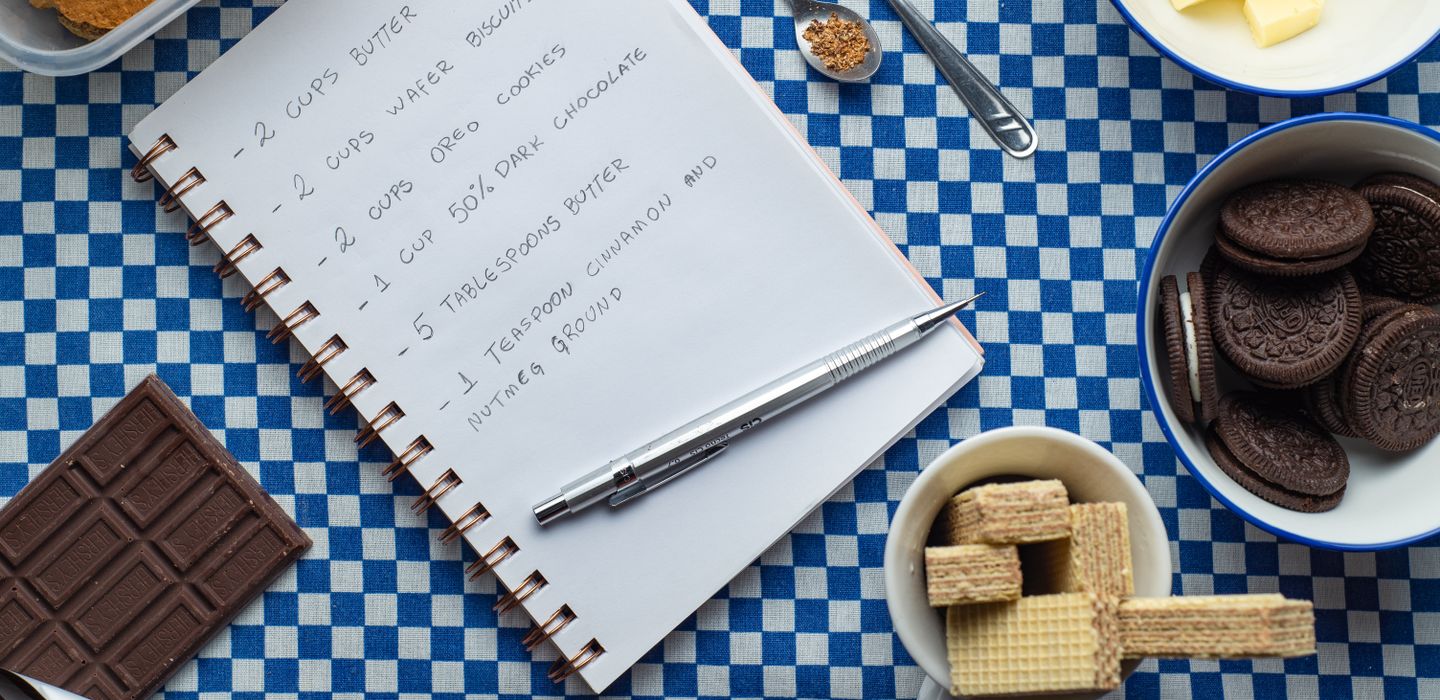

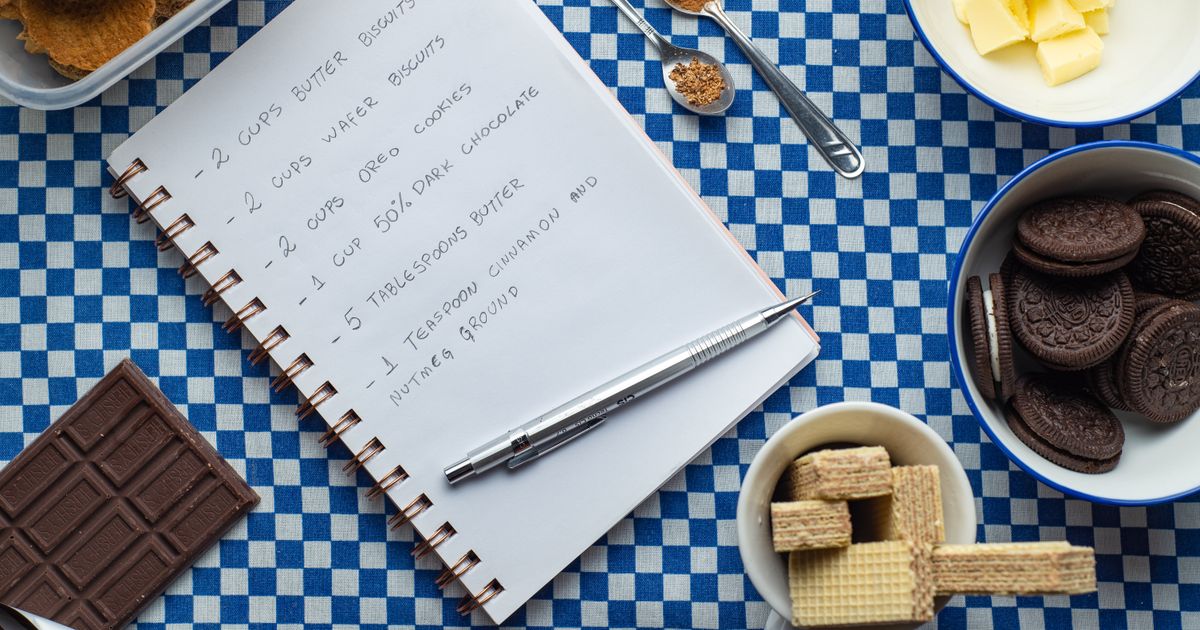
This post: Why a Recipe Card in a Loved One’s Handwriting Is Worth Preserving and How to Do It first appeared on Crafting Your Home.
A special kind of warmth comes from discovering a recipe card written in the handwriting of someone you love. It may be hidden inside an old cookbook, marked with years of kitchen memories, or tucked away in a drawer with other family treasures. The card might have faded ink, small cooking stains, or handwritten notes added over time, but those imperfections often make it valuable. What looks like a simple collection of ingredients and instructions can actually connect you to a person’s voice, personality, and the traditions they passed down.
More Than Just a Recipe
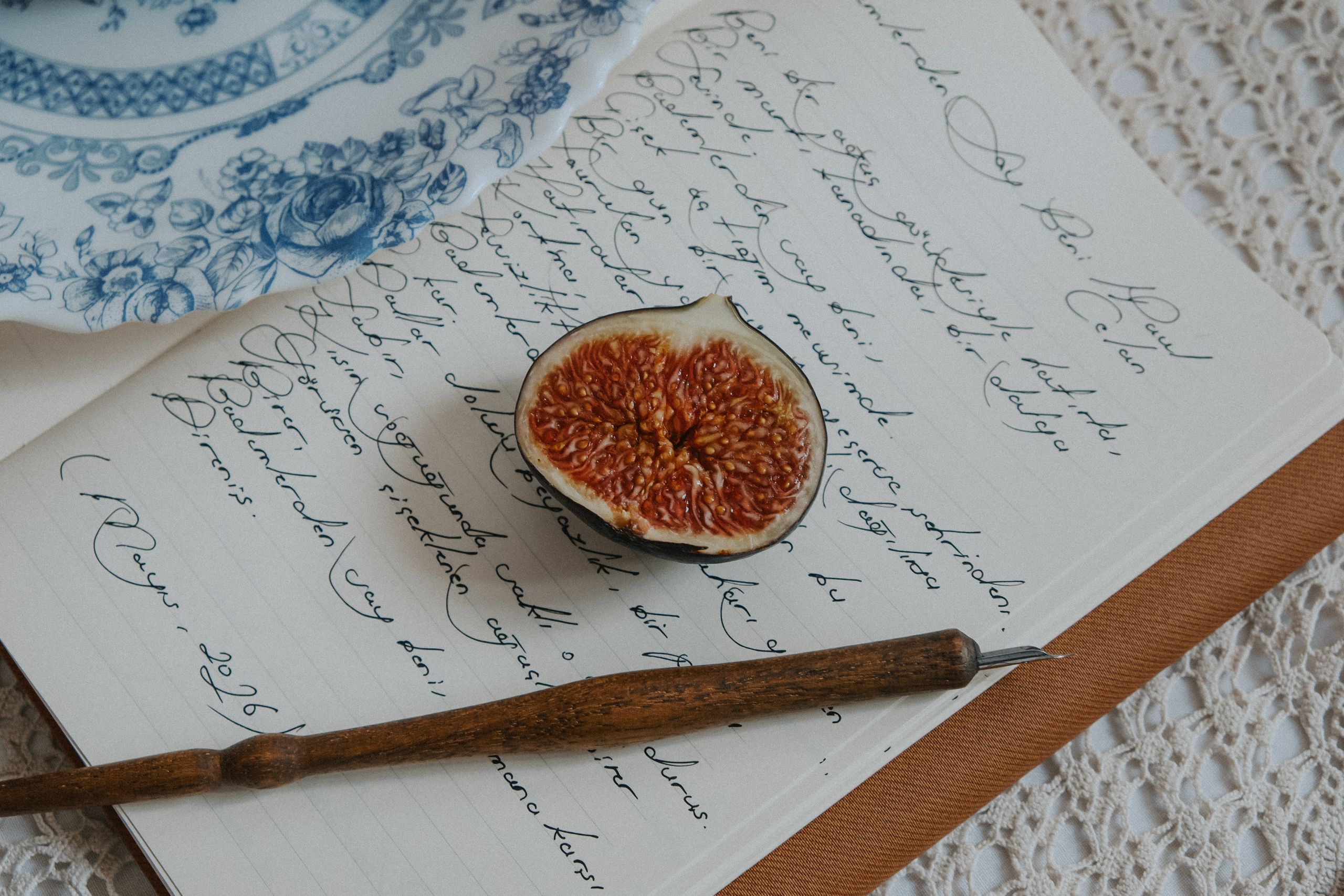
A typed recipe may be easier to read and share, but a handwritten version tells a deeper story. The writing style, word choice, and little notes in the margins reveal something about the person behind the recipe. A quick correction, an added ingredient, or a note saying “make this for Christmas” can show how the dish became part of family life.
Even stains and marks on the card can hold meaning. A spot of flour, a splash of sauce, or a faded corner may show that the recipe was used often and loved. These signs of everyday cooking are not simply damage; they are evidence of memories created in a real kitchen.
The Personal Connection of Handwriting
Handwriting can make someone feel close, even years after the card was written. Seeing a familiar signature, a loved one’s writing style, or their personal way of recording measurements can bring back memories of their presence.
Recipe cards often reveal the cook’s personality. Some people carefully record every measurement and step, while others write instructions based on experience, using phrases such as “a little more sugar” or “cook until ready.” Although these directions may require interpretation, they show how the cook worked with confidence, instinct, and years of practice.
Protecting the Original Recipe Card
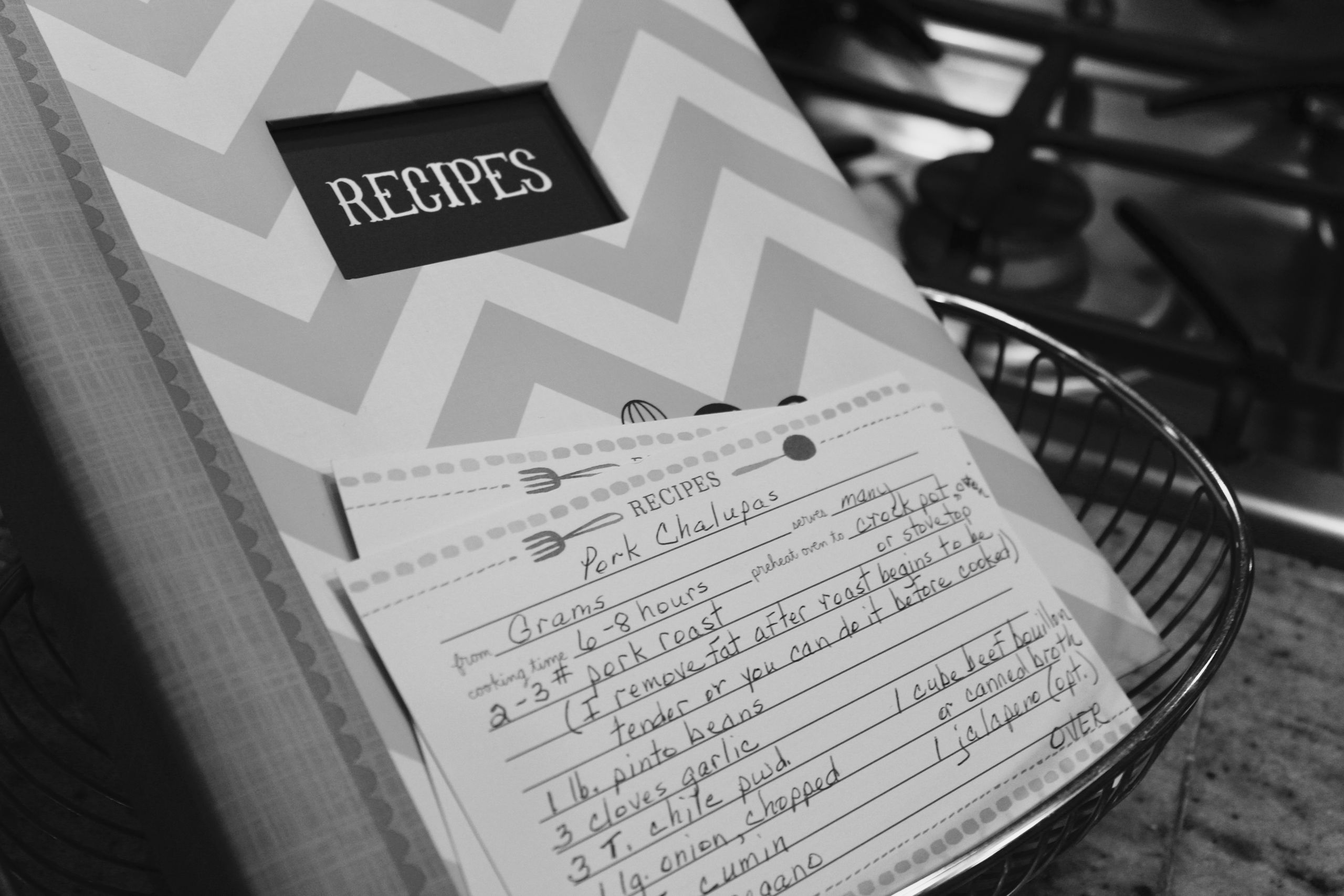
Because old paper can easily fade or be damaged, protecting the original recipe card matters. The best approach is to avoid using the original card while cooking. Instead, make a copy for everyday use and store the handwritten version safely.
Handle the card gently, and keep it away from heat, moisture, and direct sunlight. Storing it in an acid-free sleeve, archival envelope, or protective box can help prevent deterioration. Also avoid places with changing temperatures or humidity, such as attics, garages, or damp areas.
Creating a Digital Backup
One of the best ways to preserve a handwritten recipe is to create a digital copy. Scanning or photographing the card ensures that the memory remains available even if the original becomes damaged or lost.
Capture both sides of the card, as notes or important details may appear on the back. A high-quality scan preserves small details such as handwriting, paper texture, and corrections. If you don’t have a scanner, a clear photo in good light can serve as a useful backup.
Preserving the Story Alongside the Recipe
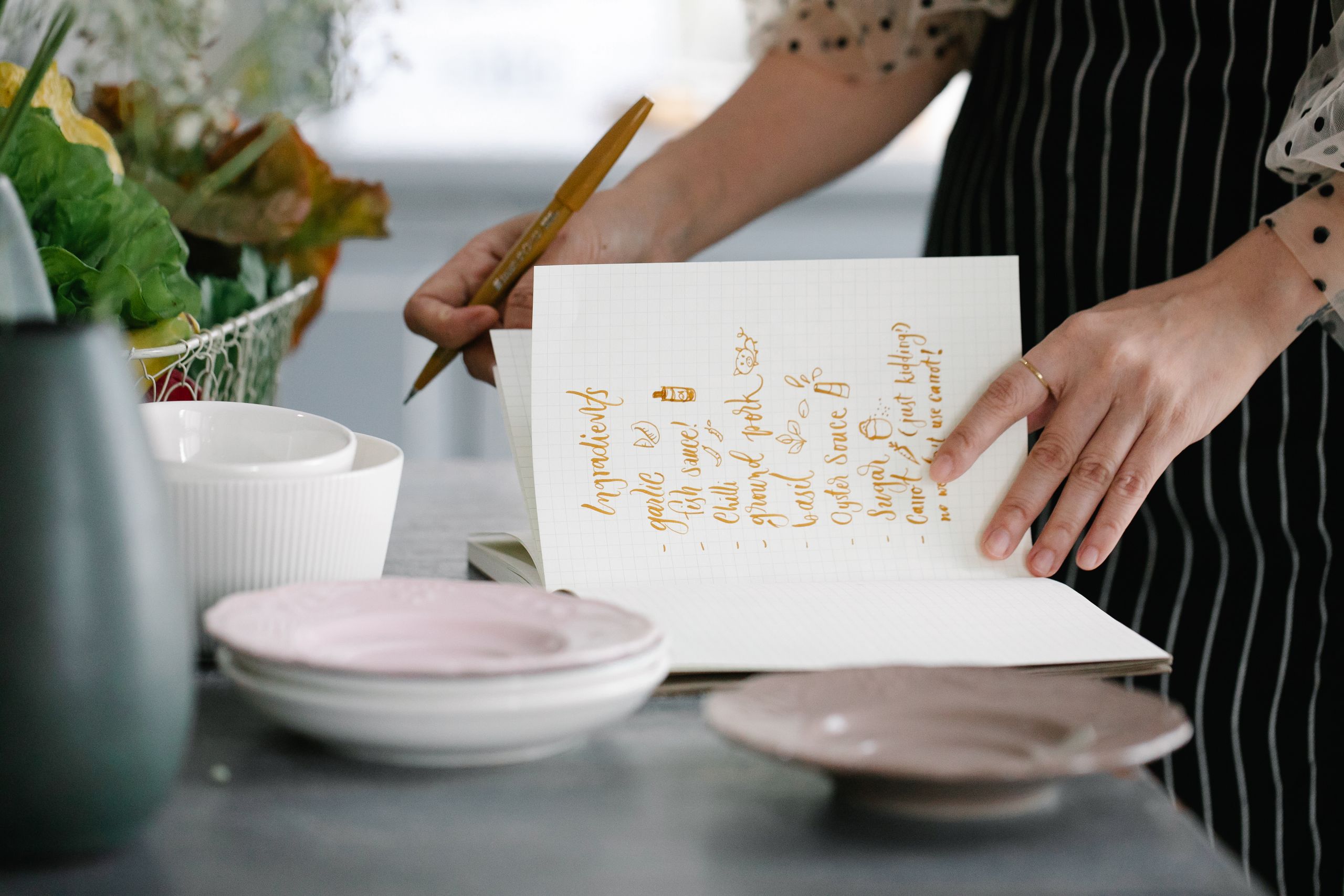
The recipe itself is only part of the memory. The story behind it can be just as meaningful. If the person who wrote the card is still living, asking about the recipe can reveal details that would otherwise be lost. Learning where the recipe came from, when it was usually prepared, and who enjoyed it most adds another layer of meaning.
Keeping the Tradition Alive
Once the recipe is preserved, it can keep bringing people together. You can share a scanned copy with relatives, include it in a family cookbook, or display it as part of a memory collection. The original card can remain safely protected while future generations enjoy the recipe and the story behind it.
A handwritten recipe card may seem like a small and ordinary object, but its emotional value can be enormous. It carries the handwriting, memories, and traditions of someone who mattered. By preserving it carefully, families can ensure that future generations inherit not only a favorite recipe but also a lasting connection to the person who wrote it.
If you like what you just read, then subscribe to our newsletter and follow us on social media.