


The post “8 Places to See Bald Eagles in the U.S. This Winter” first appeared on Crafting Your Home.
Winter offers one of the best opportunities to witness one of America’s most iconic birds in the wild: the bald eagle. As temperatures drop and northern waterways freeze, these powerful raptors gather around rivers, lakes, wetlands, and coastal areas where food remains accessible.
From Alaska’s salmon-filled rivers to the Mississippi River corridor, winter eagle watching can provide unforgettable experiences for birdwatchers, photographers, families, and anyone who enjoys exploring the outdoors. Bald eagles are often easier to spot in the colder months because open water attracts fish, waterfowl, and other food sources. Some birds migrate south, while others stay near productive habitats year-round.
For the best viewing experience, plan visits early in the morning or later in the afternoon when eagles are often active around feeding and roosting areas.
Klamath Basin, California and Oregon
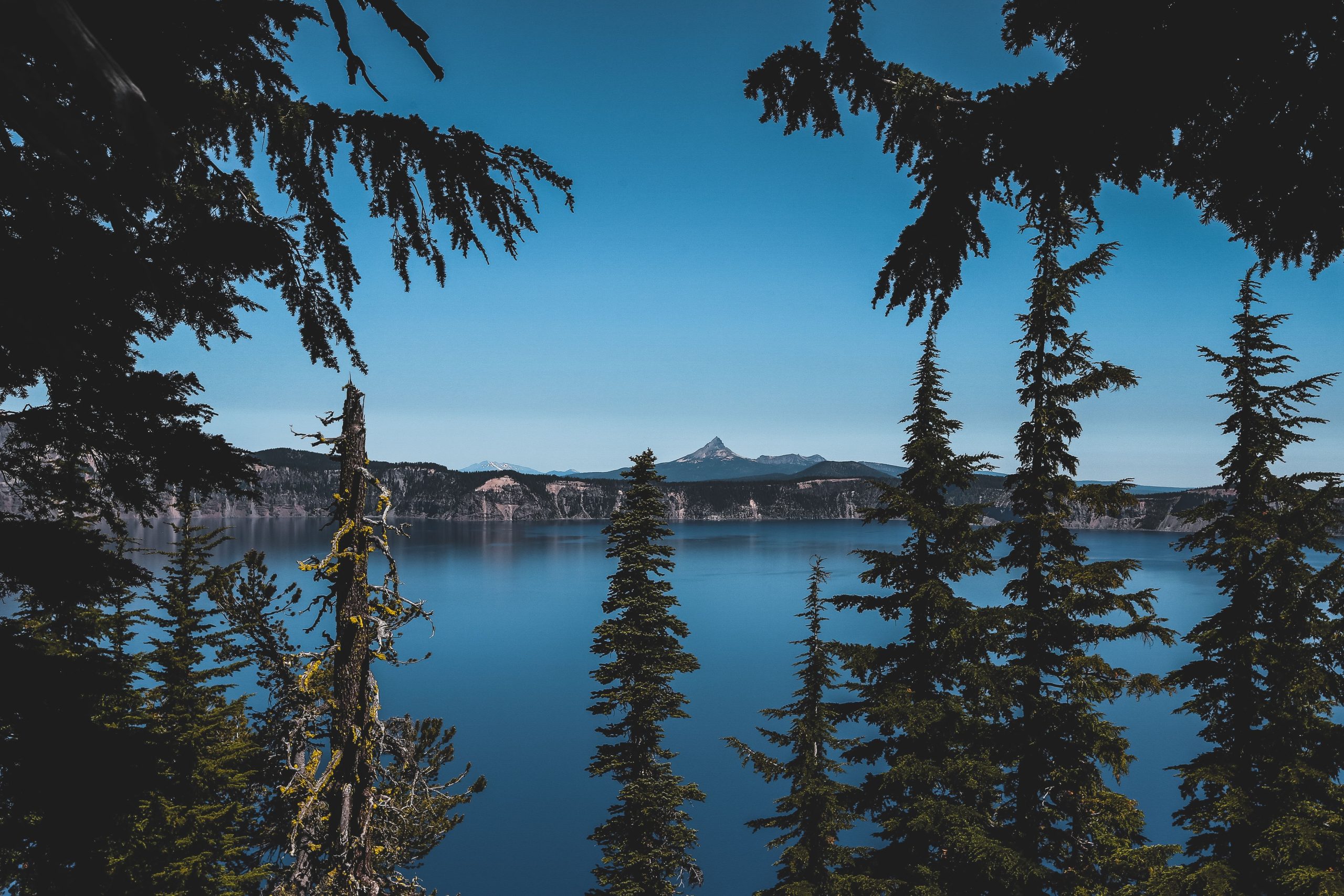
The Klamath Basin is one of the most impressive winter bald eagle destinations in the Lower 48. Located along the California-Oregon border, the Tule Lake and Lower Klamath National Wildlife Refuges create a perfect environment for wintering eagles.
From December through February, the area can host some of the largest concentrations of bald eagles in the contiguous United States, with more than 1,000 birds reported in strong years.
Visitors can look for eagles along public auto-tour routes and at observation areas. The wetlands attract large numbers of waterfowl, providing an important food source, while nearby Bear Valley serves as a major nighttime roost area.
Bring binoculars or a spotting scope, as many sightings occur across large wetland landscapes. The region also offers beautiful views of Mount Shasta and scenic winter landscapes.
Mongaup Valley and the Upper Delaware, New York
New York’s Mongaup Valley offers a quieter winter eagle-watching experience. Eagles typically arrive in December, with numbers increasing through January and February. The best locations include Rio Reservoir, Mongaup Falls Reservoir, and other Upper Delaware River viewing areas.
The area’s reservoirs and open waterways provide fishing opportunities during the colder months. The Mongaup Valley wintering area supports an annual average of about 20–30 eagles. Marked viewing areas and observation points make this a good choice for visitors who prefer organized wildlife viewing.
Chilkat Bald Eagle Preserve, Alaska
For a truly spectacular eagle experience, few places compare with the Chilkat Bald Eagle Preserve near Haines, Alaska. Each autumn and winter, thousands of bald eagles gather along the Chilkat River because a late salmon run provides an abundant food source. More than 3,000 eagles can gather during strong years, with peak numbers typically occurring around mid-November.
Visitors can watch from viewing areas along the Haines Highway and near the Chilkat River. The surrounding mountains, forests, and river scenery create a dramatic backdrop for wildlife photography.
Because this is Alaska, winter conditions can be extreme. Warm waterproof clothing, insulated boots, and extra camera batteries are essential.
Skagit River Valley, Washington
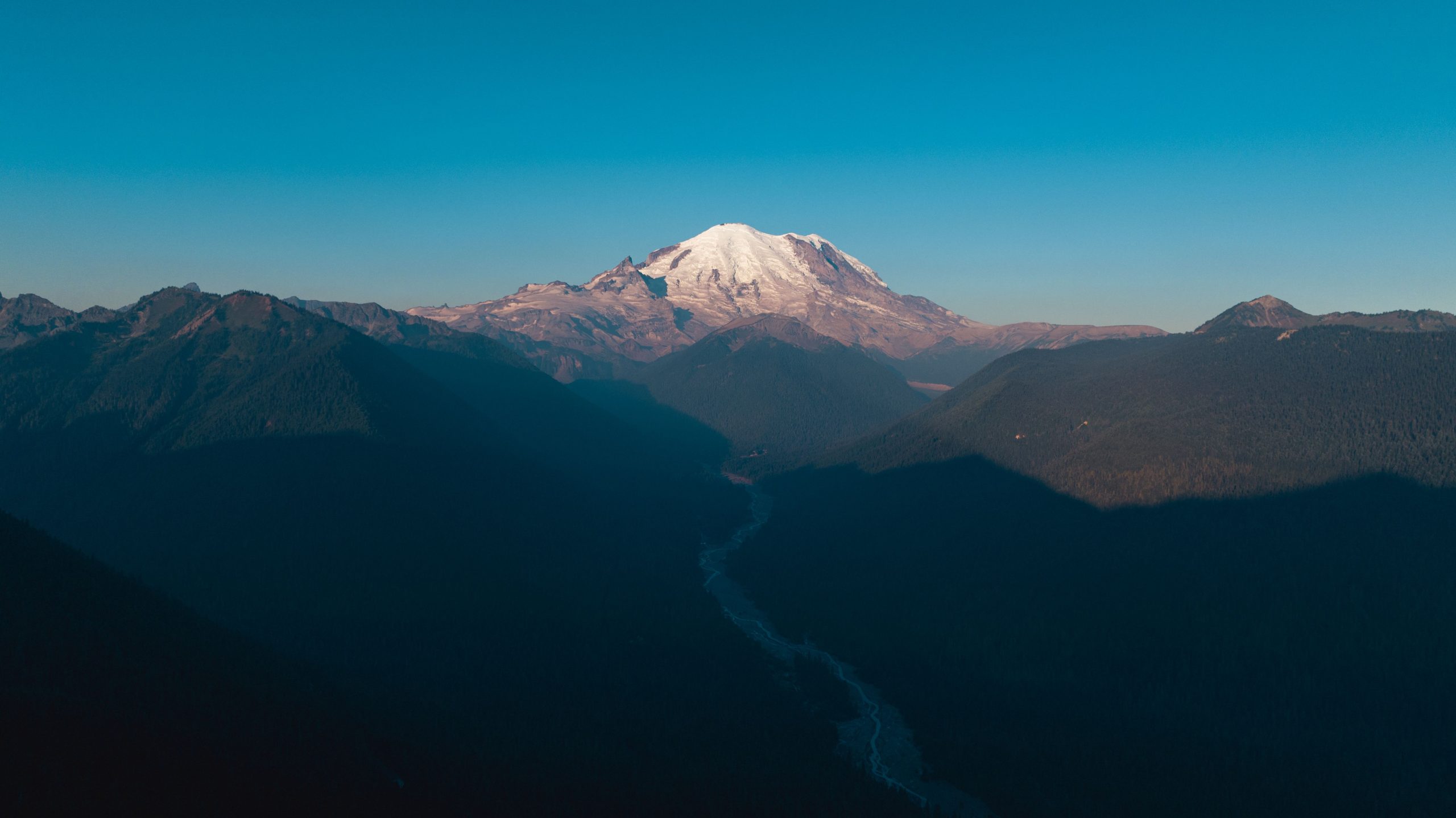
The Skagit River Valley in Washington is another top destination for winter eagle watching. Bald eagles gather here after salmon spawning season, when leftover fish provide an important winter food supply. The National Park Service identifies the Skagit River area as one of the largest wintering bald eagle locations in the Lower 48.
The best viewing period is generally from December through February, especially around Rockport, Marblemount, and other public-access areas along the river. The number of eagles varies year to year depending on salmon conditions and other environmental factors, so treat the experience as wildlife viewing rather than a guaranteed spectacle.
Lake Coeur d’Alene, Idaho
Lake Coeur d’Alene provides a memorable Pacific Northwest eagle experience. During late fall and early winter, bald eagles gather near Wolf Lodge Bay because of kokanee salmon spawning activity. The best viewing period is usually November through December, depending on salmon conditions.
Visitors can often spot dozens of eagles around the lake’s eastern end. The area combines wildlife viewing with scenic Idaho landscapes, making it an excellent winter getaway.
Riverlands and the Mississippi River, Missouri
Missouri is one of the most accessible places in the country for winter bald eagle viewing. The state reports thousands of bald eagles using rivers, lakes, and wetlands during winter months. A popular destination is Riverlands Migratory Bird Sanctuary near West Alton, where the Mississippi River and nearby wetlands provide excellent habitat.
Other viewing locations include Lock and Dam 24 at Clarksville, Lock and Dam 25 near Winfield, and Eagle Bluffs Conservation Area. Late December through early February is often a productive period. Arriving early increases the chance of seeing eagles flying, fishing, and moving between roosting areas.
Upper Mississippi River, Wisconsin
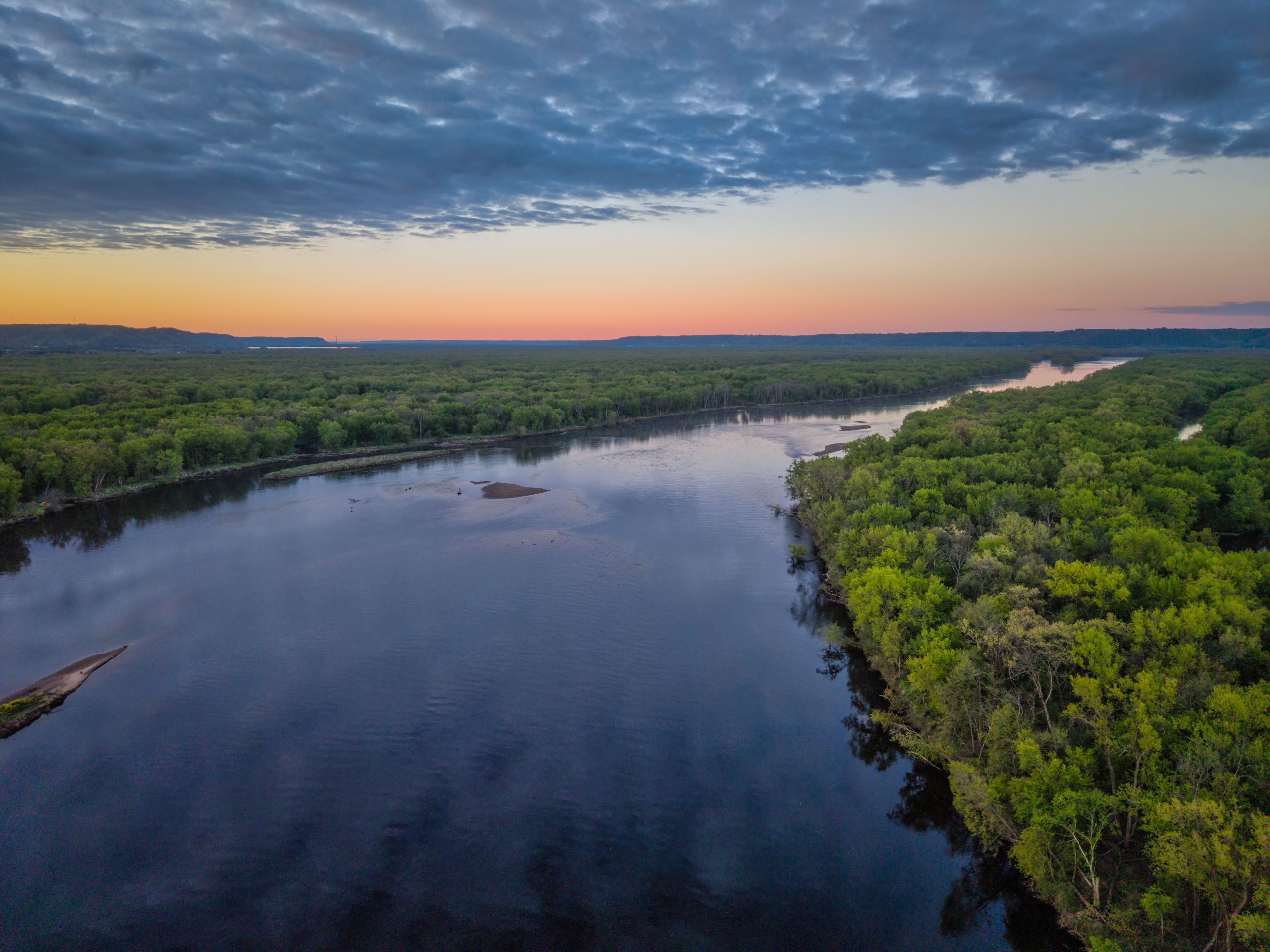
The Upper Mississippi River is a classic winter destination for bald eagle sightings. As northern lakes freeze, many eagles move south to areas where river currents keep water open.
Popular viewing locations include Alma, Prairie du Chien, Cassville, and La Crosse. Lock-and-dam systems create ideal conditions by keeping water open where eagles can hunt for fish.
The Wings Over Alma Nature & Art Center provides an excellent overlook of the Mississippi River, making it a convenient stop for visitors. The nearby Great River Road also allows travelers to combine eagle watching with scenic drives, historic towns, and river views.
Prince Gallitzin State Park, Pennsylvania
For travelers looking for a less crowded destination, Prince Gallitzin State Park in Pennsylvania is worth exploring. Glendale Lake attracts bald eagles because open water near the dam and spillway allows winter fishing.
Good viewing locations include the northern end of Glendale Lake, the fishing pier at Pool K, and the Deer Run Trail Observation Deck. While sightings may not match larger winter eagle gatherings, the peaceful setting makes it a rewarding destination for a quiet wildlife trip.
How to Watch Bald Eagles Responsibly
A Remarkable Conservation Success
Other Posts You May Like
- 7 american-states-where-wolves-still-rule-the-wild
- 10-remarkable-species-that-survived-extinction
- 10-world-best-vacation-spots-for-animal-lovers
If you like what you just read, then subscribe to our newsletter and follow us on social media.


