


The post A Supermoon Rises Just Before Thanksgiving — and Another Arrives Christmas Eve first appeared on Crafting Your Home.
Two bright late-year lunar events are coming: a supermoon on November 24, 2026, just before Thanksgiving, followed by the final supermoon listed on NASA’s 2026 calendar. The December event comes with a time-zone detail that matters for skywatchers: its official timing places the full Moon on December 24 in UTC, while the peak occurs on the evening of December 23 across U.S. time zones.
For those planning seasonal gatherings, decorating, or simply spending time outdoors, the two late-2026 supermoons offer a chance to look up and connect with the night sky. The events fall during two busy holiday periods, making them easy to add to a calendar alongside other end-of-year plans.
What Makes a Supermoon?
A supermoon is a popular astronomy term used for a full Moon that occurs when the Moon is closest to Earth. NASA explains that this timing can make the Moon appear bigger and brighter. The term is commonly used for public skywatching, although it is not a formal astronomical phase category, and the exact thresholds used to define one can vary.
November’s Supermoon Arrives Before Thanksgiving
The first of the two late-year events arrives on Tuesday, November 24, 2026. The U.S. Naval Observatory calculates the exact full-Moon moment as 14:53 UTC, which is 9:53 a.m. Eastern Time, 8:53 a.m. Central Time, and 6:53 a.m. Pacific Time.
For casual observers, the daytime moment of exact fullness is not necessarily the key viewing opportunity. The Moon can appear essentially full around that date, so the best time to enjoy it will be around local moonrise on the surrounding evenings, depending on local conditions.
The November full Moon is commonly called the Beaver Moon. Like other traditional Moon names, this is a popular term rather than an official scientific designation.
How the November Moon Connects With Thanksgiving
The timing places the November supermoon close to the Thanksgiving holiday. Thanksgiving in the United States falls on Thursday, November 26, 2026, meaning the November Moon arrives two days before the holiday.
It is accurate to describe the event as happening just before Thanksgiving, but it is not a Thanksgiving Eve or Thanksgiving Day Moon. The timing makes it part of the broader holiday-week period rather than the holiday itself.
December’s Supermoon Includes a Time-Zone Difference
The second late-year supermoon comes in December. NASA lists it as a Christmas Eve supermoon because the official UTC timing falls on December 24, 2026.
However, the U.S. Naval Observatory’s calculation shows the exact full-Moon moment occurs at 01:28 UTC on December 24. That converts to December 23 at 8:28 p.m. Eastern Time, 7:28 p.m. Central Time, 6:28 p.m. Mountain Time, and 5:28 p.m. Pacific Time.
Across the contiguous United States, the peak moment happens on December 23, while the same event is already December 24 in UTC and in many places east of the Americas.
The December Moon’s Traditional Name
The December full Moon is commonly called the Cold Moon. As with the November name, this is traditional terminology used in popular discussions of the Moon rather than an official scientific label.
Related: October’s Hunter’s Moon Rises Oct. 26 — Where the Name Comes From and When to Look
More Supermoons Are Part of NASA’s 2026 Calendar
The November and December events are not the only supermoons on NASA’s 2026 calendar. NASA also lists a supermoon on January 3, 2026.
The November and December events are the final two supermoons included on that calendar, making them the closing pair of the year’s listed supermoon events.
How to Prepare for Skywatching
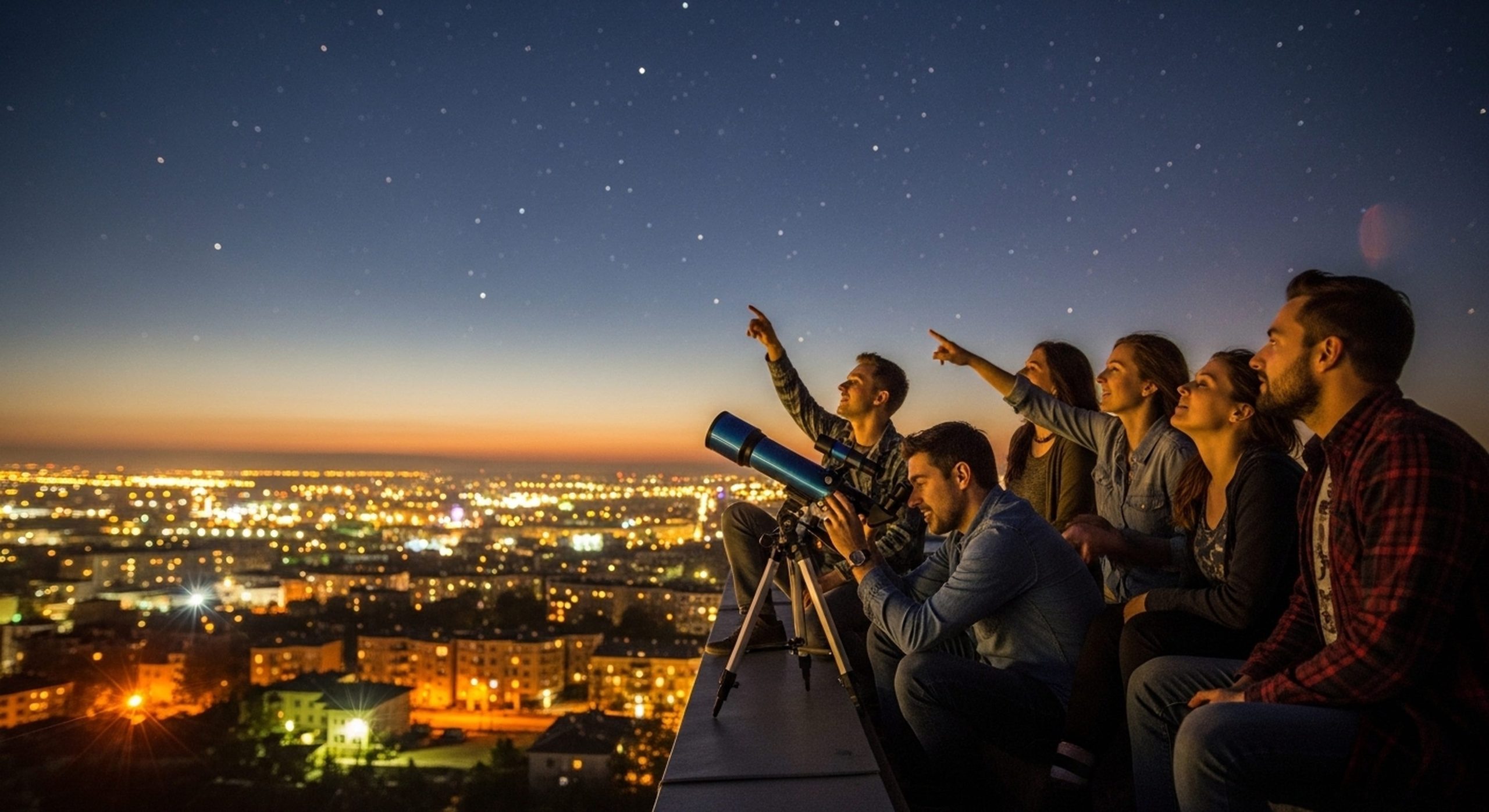
For people hoping to view either Moon, simple planning can make the experience easier. Checking local weather conditions, choosing a spot with a clear view of the horizon, and considering nearby light levels can help with skywatching plans.
You don’t need a telescope to observe the Moon. Because viewing conditions vary by location, people can look for local moonrise information and weather updates closer to the dates.
The Moon’s appearance can also be enjoyed around more than one evening near the full phase, giving skywatchers flexibility.
A Seasonal Reminder to Look Up
The two late-2026 supermoons offer a pair of seasonal sky events with a practical reminder: astronomical dates are precise, but the way people experience them depends on where they are watching.
Whether viewed during the week before Thanksgiving or around the Christmas holiday period, these full Moons provide a simple reason to step outside and look up.
Other Posts You Might Like
-
The Longest Total Solar Eclipse in Decades Is Less Than a Year Away — Where to See It
-
Pieces of Halley’s Comet Will Streak Across the Sky This October — When to Watch
If you like what you just read, then subscribe to our newsletter and follow us on social media.


