


The post 8 Things Couples Who Meet Later in Life Often Do Differently first appeared on Crafting Your Home.
Love that begins later in life can come with a different kind of question.
Not just “Do we feel something?” but also: “How do we fit two already-built lives together?”
For couples who meet after years of careers, family responsibilities, previous relationships, losses, and personal routines, romance often arrives alongside practical realities. There may be homes to consider, adult children to navigate, financial decisions to discuss, and histories that cannot simply be erased.
Later-in-life love is not necessarily easier. It simply often begins with more life already lived and that can change what people prioritize.
They talk about the practical details sooner.

Early romance can create the feeling that love should be effortless. But couples who meet later may have more concrete questions waiting in the background.
Where will they live? How will they handle finances? What happens if one person needs care in the future? How will existing family relationships fit into this new partnership?
Research on later-life families identifies these issues as important parts of repartnering. Established homes, retirement plans, adult children, property, former spouses, caregiving expectations, and inheritance concerns can all become part of a couple’s shared reality. Pasted markdown
For these couples, conversations that might once have felt unromantic can become expressions of care. Planning is not necessarily a sign that the relationship lacks spontaneity. Sometimes asking difficult questions is part of taking the relationship seriously.
They may protect independence while still building closeness.
Some couples who meet later choose relationship arrangements that look different from traditional expectations. One example is “living apart together,” where partners maintain separate homes while remaining committed to each other.
Later-life research identifies several reasons people may choose this arrangement, including existing family obligations, property concerns, established routines, and a desire to maintain autonomy. Pasted markdown
For some couples, closeness does not require sharing every part of daily life. Separate homes, friendships, routines, or personal spaces do not automatically mean a relationship is missing something.
Instead, some partners find ways to create a “we” while still respecting the individuals who existed before the relationship began.
That does not make one arrangement better than another. Marriage, cohabitation, and living apart together each come with their own benefits and challenges.
They understand that nobody arrives as a blank slate.
A relationship that begins later in life usually begins alongside a history.
A new partner may also become connected to adult children, grandchildren, former in-laws, family traditions, memories of a previous spouse, or experiences from earlier relationships. Researchers studying later-life families emphasize that new partnerships develop within these existing family systems. Pasted markdown
This means couples may have to make room for complicated emotions. They may feel grief, loyalty to the past, unresolved memories, or worry about how others will respond.
A person entering a later-life relationship is rarely starting from zero. They bring stories, responsibilities, and experiences that shaped them.
The challenge is not pretending those things never happened. It is finding a way for the past and present to exist together.
They may focus less on winning and more on understanding.
Long relationships often require learning to handle disagreement without letting every conflict become a battle.
Research reviewed in Emotion Regulation in Couples Across Adulthood suggests that some emotional interaction patterns in long-term marriages can become more favorable with age. In longitudinal observations, some negative behaviors declined while positive behaviors, including validation, humor, enthusiasm, and affection, increased over time. Pasted markdown
This does not mean older couples never argue or that every later-life relationship automatically becomes peaceful. The research mainly concerns couples who have aged within established marriages, not every couple who meets later. Pasted markdown
But one possible shift is that some people become more interested in preserving connection than proving a point.
After years of experience, a disagreement may feel less like a contest to win and more like a moment where both people decide what kind of relationship they want to build.
They learn which conflicts need attention and which do not.
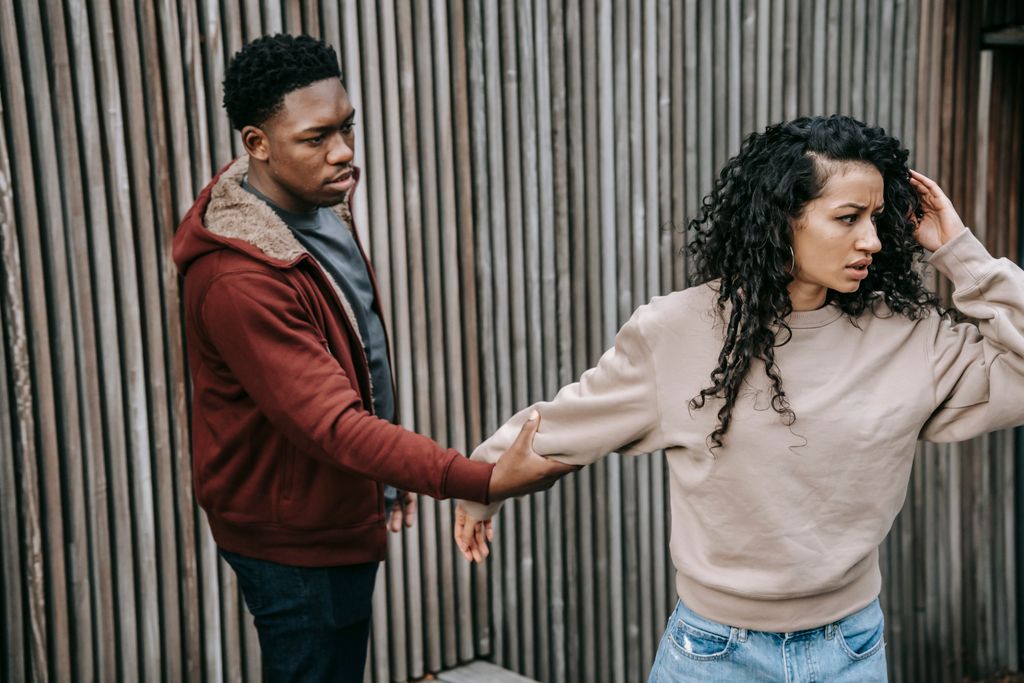
Not every disagreement deserves the same amount of energy.
Research on later-life couples suggests that older adults may focus more on emotional harmony and avoid escalating smaller disputes. However, avoiding conflict is not always helpful. Important issues involving trust, money, caregiving, or family boundarie