


The post 11 Dumbest Things Middle-Class Americans Waste Money On first appeared on Crafting Your Home
The biggest money leaks rarely come from one dramatic mistake.
More often, they arrive disguised as convenience, comfort, or a small reward after a long week. A monthly payment becomes routine. A subscription keeps renewing. A delivery order feels easier than cooking. A purchase made for a future version of yourself sits untouched in a closet.
The issue is not that people spend money on things they enjoy. It is that some costs quietly become permanent before anyone notices the total.
U.S. households already spend most of their budgets on major necessities. In 2024, average household spending reached $78,535, with housing accounting for 33.4% of spending, transportation 17%, and food 12.9%. Housing and transportation alone made up more than half of average household spending.
That means small recurring expenses can matter, but they are only part of a much bigger financial picture.
Here are 11 spending habits that can become expensive without feeling expensive at first.
Taking on a Vehicle Payment That Does Not Fit the Budget
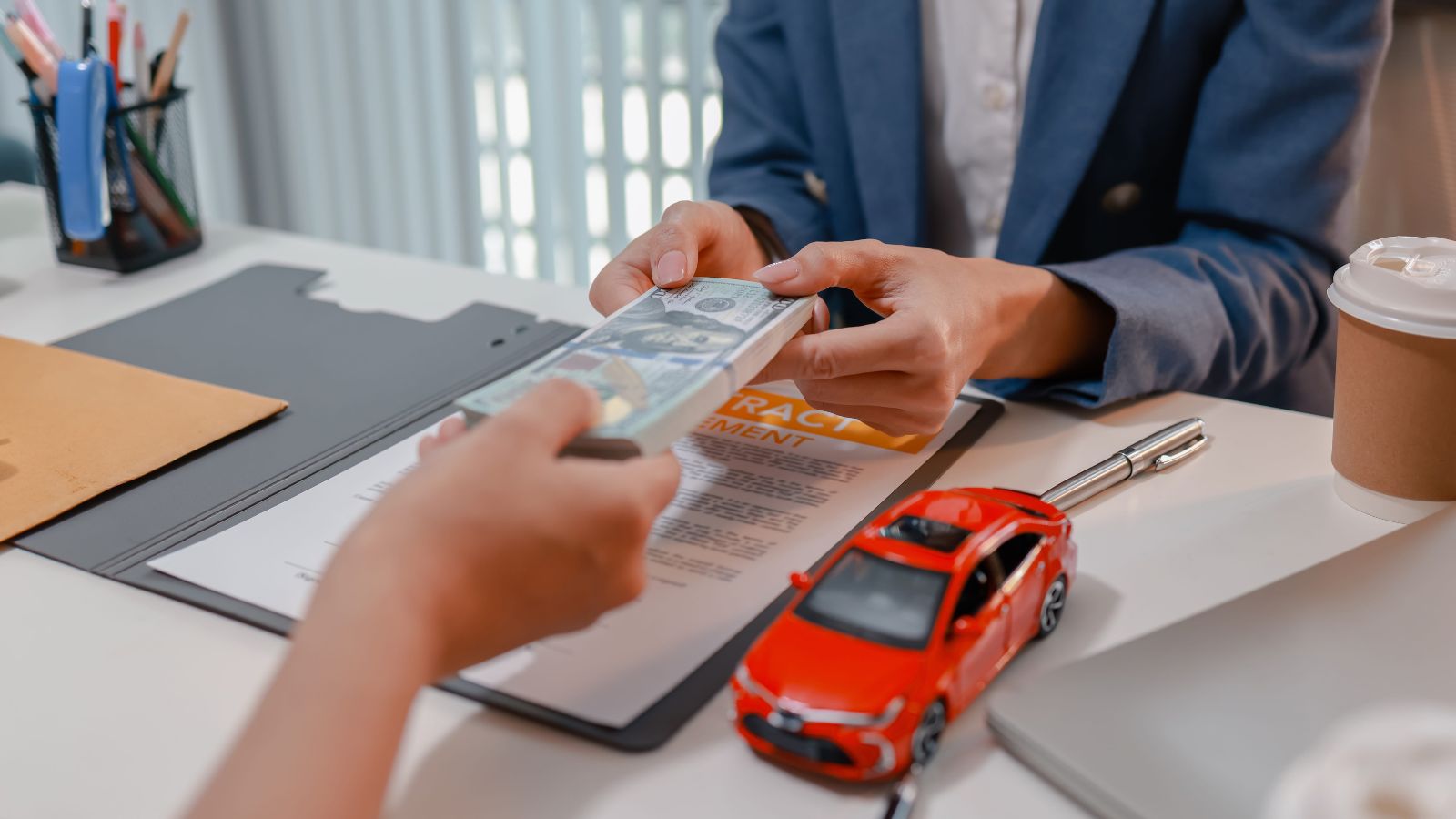
A car payment can look manageable when it appears as one monthly number.
The problem is that owning a vehicle involves much more than the loan. Insurance, fuel, maintenance, repairs, registration, parking, and tires all add to the true cost of ownership.
Transportation is already one of the largest household expenses. BLS data show average U.S. household transportation spending reached $13,318 in 2024, representing 17% of total annual spending.
The question is not whether a newer vehicle is always a bad choice. Families may need reliability, safety features, space, or a dependable commute vehicle.
The smarter comparison is the full ownership cost, not just whether the monthly payment looks comfortable.
Restaurant Delivery That Turns Convenience Into a Routine
Delivery apps make dinner easier.
They can also make a regular meal much more expensive.
A delivery order can include fees, service charges, taxes, tips, and other added costs beyond the menu price.
In 2024, households spent an average of $3,945 on food away from home, a category that includes restaurant meals, delivery, and takeout.
That does not mean delivery is always a poor choice. Busy schedules, caregiving responsibilities, transportation issues, and other circumstances can make it useful.
The problem comes when convenience becomes automatic.
A simple fix is creating a plan for when delivery is truly worth paying for and when another option works.
Subscriptions Nobody Remembers Paying For
A single small subscription rarely feels like a serious financial decision.
The problem is when several of them quietly pile up.
Streaming services, premium apps, cloud storage, meal plans, gaming services, fitness platforms, and subscription boxes can all become recurring charges that are easy to ignore.
The Federal Reserve Bank of St. Louis recommends reviewing bank statements as part of emergency-fund planning and specifically lists streaming subscriptions among nonessential expenses households can identify and review.
A simple check:
Which subscriptions do you use weekly?
Which do you use occasionally?
Which ones did you forget existed?
The last group is usually where the easiest savings are found.
Related: 10 Things Americans Are Quietly Choosing to Rent Instead of Own
Financing Lifestyle Purchases With Credit Cards

Credit cards can be useful tools.
The expensive part begins when purchases continue long after the excitement disappears because the balance remains unpaid.
A dinner, vacation, clothing purchase, or electronics upgrade can become a recurring obligation when high-interest debt carries from month to month.
The Federal Reserve’s 2025 household well-being report found that 63% of adults said they could cover a $400 emergency expense with cash, savings, or a credit card paid off at the next statement.
A useful question before a nonessential purchase:
Could this balance be paid in full when the bill arrives?
If not, the purchase may deserve another look.
Adding Extended Warranties Without Checking the Details
Extended warranties often appear at the exact moment someone feels protective about a new purchase.
But before paying extra, it is worth checking what coverage already exists.
Manufacturer warranties, credit-card protections, renter’s or homeowner’s insurance, and consumer protections may already cover certain problems.
That does not mean every service plan is useless.
Some may be helpful for expensive repairs or products with limited existing coverage. The better approach is comparing the cost, coverage, and likelihood of needing it before adding it automatically.
Replacing Electronics Before They Actually Need Replacing
A working phone can suddenly feel outdated after a new model appears.
Marketing often highlights better cameras, new designs, and added features, creating pressure to upgrade even when an existing device still works.
The issue is not buying new technology.
A new device can be a reasonable purchase for work, accessibility, safety, or performance reasons. The waste comes from replacing useful technology simply because something newer exists.
A better rule:
Upgrade when the device no longer meets your needs, not just when a newer version arrives.
Paying for Convenience Over and Over Again
Convenience can be valuable.
But small convenience purchases can quietly become a habit: rushed meals, last-minute shopping, repeated delivery fees, bottled drinks, rush shipping, or forgotten essentials.
The goal is not eliminating every shortcut.
It is identifying the moments when a little planning could prevent repeated extra spending.
Try making a list of the five situations that usually trigger last-minute purchases.
Those are the places where small changes can have the biggest effect.
Related: 8 Financial Habits That Scream You’re Living Beyond Your Means
Assuming Bulk Buying Always Saves Money
Warehouse stores can offer good value.
But buying more only saves money when the household actually uses what it purchases.
Bulk items can become waste when they expire, go stale, take up too much space, or get forgotten behind other products.
Bulk buying usually makes the most sense for items that are frequently used, easy to store, and unlikely to create duplicates.
A bargain is only a bargain if it gets used.
Keeping a Storage Unit Full of Delayed Decisions
A storage unit can solve a temporary problem.
But it can also become a monthly payment for things that are no longer useful enough to keep at home but feel difficult to let go.
That does not apply to every situation. Storage can be important during moves, caregiving transitions, disasters, deployments, or housing changes.
The question is whether the storage is solving a current need or postponing a decision.
Buying Clothes for an Imaginary Future
Many closets contain purchases for a life that has not happened yet.
An outfit for a future job, vacation, fitness routine, or lifestyle change can sit unused while taking up money and space.
BLS reports apparel and services accounted for 2.5% of total household expenditures in 2024.
Before buying something nonessential, ask:
Will I realistically wear this?
A short waiting period can prevent many purchases that seemed exciting only in the moment.
Letting “Treat Yourself” Have No Limit
Small pleasures are part of life.
The problem begins when every stressful day, inconvenience, or disappointment creates a reason to spend.
A coffee run, beauty purchase, home item, weekend booking, or upgrade may feel small individually. But repeated spending without a clear limit can become difficult to track.
The solution is not removing enjoyment.
It is giving enjoyment a place in the budget.
A set amount for fun spending allows people to enjoy treats without turning every impulse into a financial problem.
Key Takeaways
It is easy to focus on small purchases because they are visible.
But the largest household costs remain the biggest financial pressures. In 2024, the five largest household spending categories- housing, transportation, food, health care, and personal insurance and pensions- accounted for 83.7% of average household expenditures, according to the Bureau of Labor Statistics.
Cutting a forgotten subscription will not solve rising housing costs or transportation expenses.
But understanding automatic spending can help households make clearer choices about where their money goes.
The goal is not to remove every convenience or small pleasure.
It is to notice which expenses are still adding value, and which ones are simply continuing because nobody stopped them.
Other Posts You May Like
If you like what you just read, then subscribe to our newsletter and follow us on social media.


