



The post 8 Things Downsizers Say They Wish They’d Kept first appeared on Crafting Your Home.
Moving regret is not a fringe feeling. A 2025 survey by real estate data firm Anytime Estimate found that 70% of Americans who relocated that year regretted the process, and 22% specifically wished they had thrown away more before the truck arrived.
That statistic points one direction.
Talk to organizers who work inside actual downsizing projects and a second, quieter regret shows up just as often: the specific objects people cut too fast, then spend months missing.
The eight items below are not a packing checklist. They keep resurfacing across moving-industry data, storage-industry surveys, and professional organizers who watch the same mistakes happen house after house, kitchen after kitchen.
Guest chairs
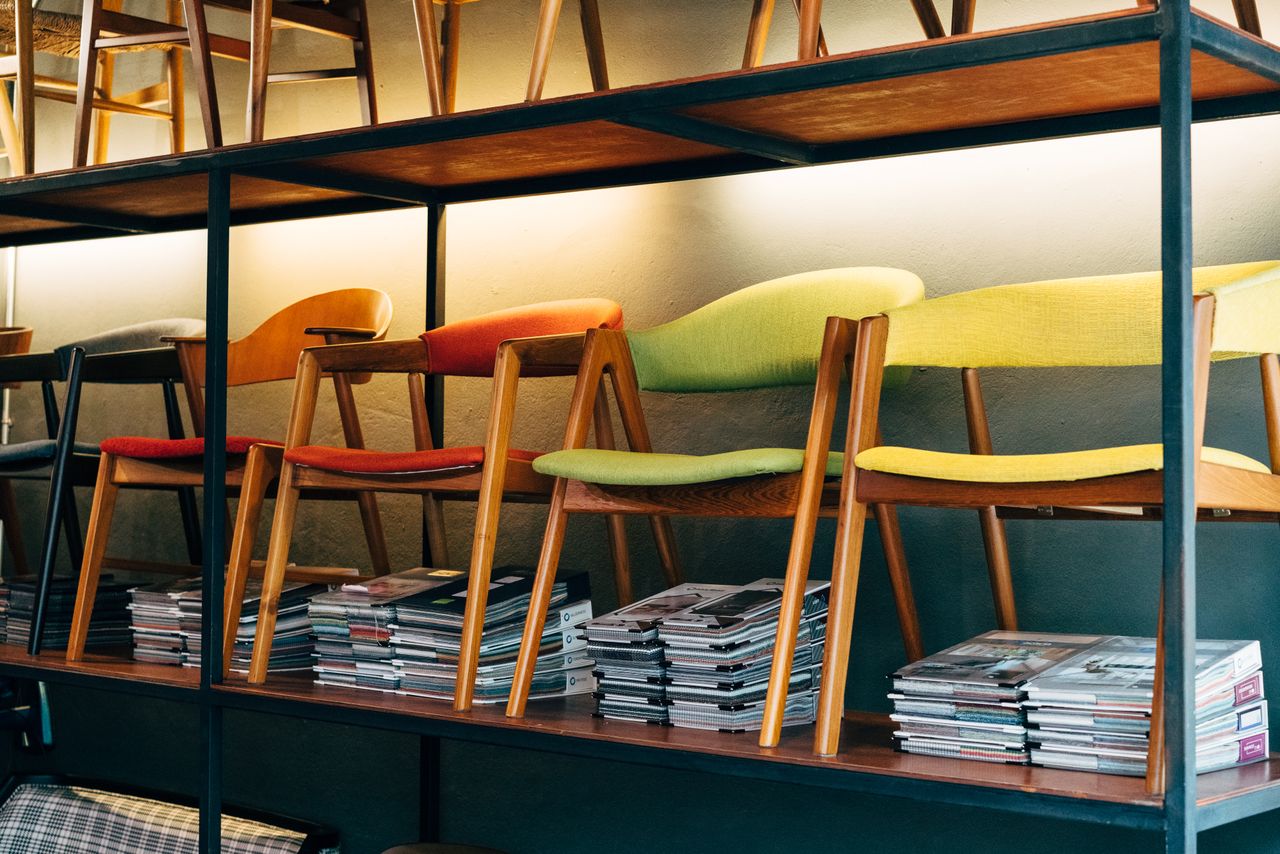
Downsizing usually means trimming the dining set first, since a table built for ten rarely fits a smaller floor plan. Two Amigos Moving and Storage, a moving and storage company, notes in its downsizing guidance that people often cut seating aggressively during a move, then host their first gathering in the new place and realize there’s nowhere for everyone to sit.
A folding chair or two, stored rather than donated, solves a problem that only shows up after the boxes are gone.
Cookware collections
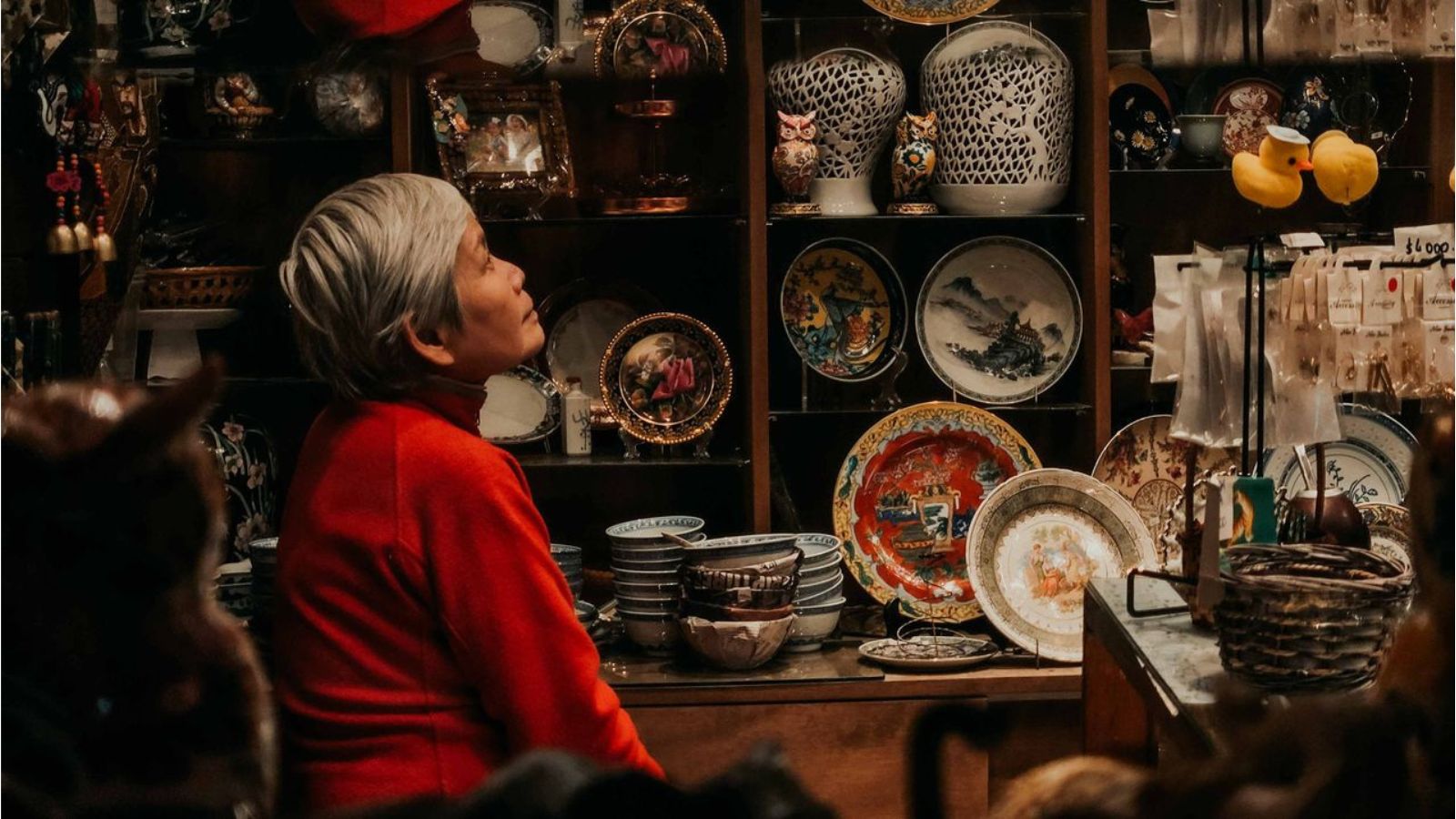
Kitchen equipment is an easy downsizing target because it is heavy and duplicated.
Retirees frequently report regret over tossing cookware collected over decades, even pieces that were no longer fully functional, because the collection itself carried meaning tied to specific meals and specific years.
A stockpot given away during a move is rarely a simple replacement purchase. It is often the one a recipe was built around.
Related Post: 8 Kitchen Items to Declutter Today Before They Take Over Your Home
A grandmother’s sideboard
Furniture with a family history behaves differently than furniture bought new.
Heirloom pieces like a grandmother’s quilt or an old sideboard get framed as clutter in the moment, only for the sentimental value to resurface once the piece is already gone.
Sentimental items and family heirlooms make up 10% of what people keep in self storage nationally, rising to 12% among renters, according to StorageCafe’s 2026 self storage demand survey: a sign of how often households choose to preserve these pieces rather than let them go for good.
The hosting angle compounds this: a sideboard is often the surface a household actually serves food from during holidays, not just storage for china.
Cookbooks and family libraries
Book culling tends to happen in bulk, which is exactly the problem.
Paring libraries during a move is especially tricky when the collection includes rare, gifted, or signed editions, since those copies cannot be replaced through a bookstore. A stained, handwritten-note-filled cookbook falls into the same category.
It is not really a book.
It records who cooked from it.
Photos and letters
Sentimentality is not incidental to how people pack. A Talker Research survey commissioned by storage company CubeSmart found that many people keep boxes at a parent’s house or in a unit for years for reasons rooted in memory rather than utility.
Licensed clinical psychologist Augusto Blanco, commenting on the findings, said sentimental objects “help us access important life experiences and preserve emotional connections to things that matter.”
Once those objects leave a household during a rushed move, that access does not come back.
Related Post: Boomers Keep Upsizing While Younger Americans Struggle to Buy Homes
Costume jewelry
Not every downsizing regret is emotional. Some are financial, and jewelry boxes are where the two overlap.
Julie Mills, founder of organizing company All Squared Away in Morgantown, West Virginia, urges clients not to donate jewelry without checking its history first.
Mills said her team once found a tiny campaign lapel pin from 1896 worth $12,000 sitting among what looked like ordinary costume pieces. Her standard advice is a certified appraisal before anything ornamental leaves the house.
Hobby gear
Sewing machines, garden tools, and woodworking equipment take up disproportionate space relative to how often they are used, making them an obvious cut during a move.
The regret usually surfaces later, once retirement or a lighter schedule finally frees up time for the hobby the equipment supported.
Replacing a full workshop after the fact costs more than storing a smaller version of it would have.
Holiday boxes
Seasonal decorations are seasonal by definition, which makes them feel disposable eleven months of the year.
StorageCafe’s 2026 demand survey found seasonal decorations accounted for 12% of stored item categories nationally, with Gen X respondents leading that pattern at 16%, evidence that even people who are actively managing space still choose to keep this specific category rather than repurchase it annually.
Downsizers who skip that step tend to notice the gap exactly when the first holiday in the new home arrives.
Other Posts You May Like
- The Decluttering Method That’s Finally Winning Against Overcrowded Homes and It Only Takes a Weekend
- 7 Downsizing Regrets Boomers Wish They’d Avoided
If you like what you just read, then subscribe to our newsletter and follow us on social media.


