

The post 9 Things to Do Around the House Before the First Frost first appeared on Crafting Your Home.
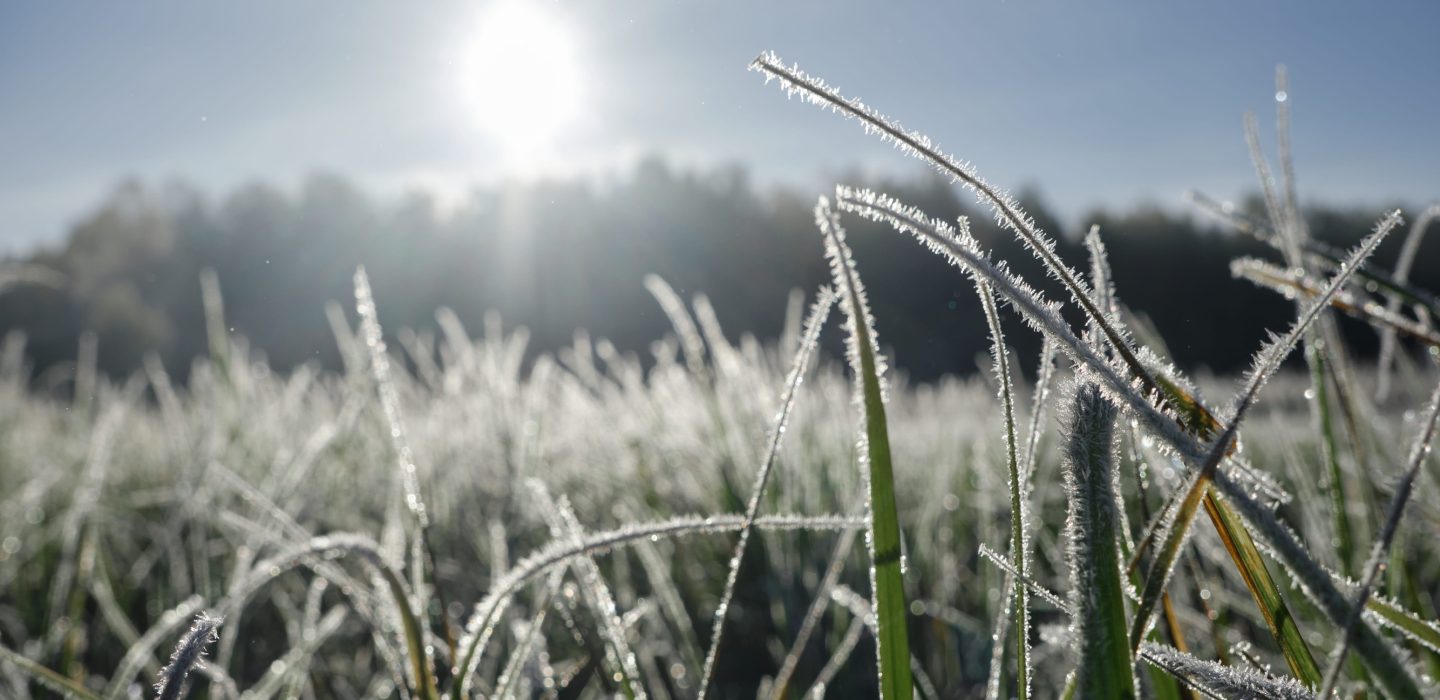
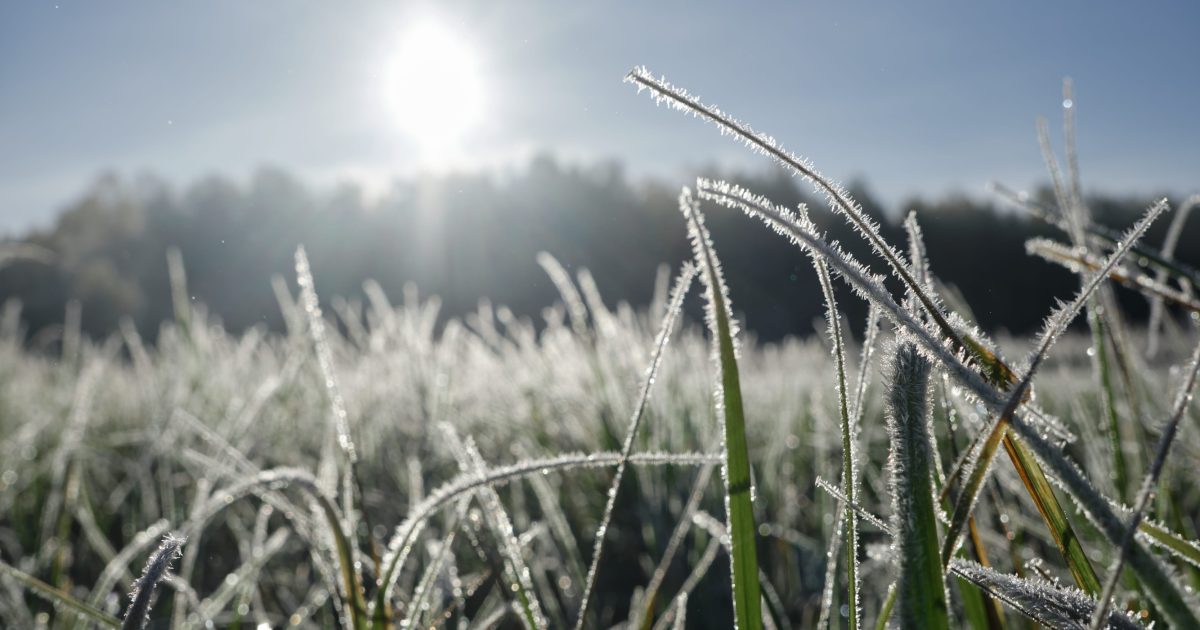
The first frost is a useful deadline for completing several outdoor and home-maintenance tasks. Timing varies by location, elevation, weather patterns, and the year, so it is better to watch local forecasts than rely on a fixed calendar date. A forecast for freezing temperatures is also a reason to check vulnerable plumbing, outdoor plants, heating equipment, and areas where water can collect.
Some preparation takes only a few minutes. Other jobs, such as servicing a heating system or winterizing an irrigation system, may require more planning. Completing the basics before temperatures fall gives you time to identify problems while they are still easier to address.
Disconnect and Drain Garden Hoses
Start with the outdoor water supply. Disconnect garden hoses from exterior faucets, drain the water from the hoses, and store them where they will be protected from prolonged exposure to cold weather. This is more than a storage issue. Water expands when it freezes, and water left in outdoor plumbing can contribute to damage. University of Illinois Extension recommends removing and draining hoses and winterizing outdoor irrigation systems before freezing weather.
If your property has an irrigation system, follow the manufacturer’s winterization instructions. Some systems need draining or blowing out with compressed air.
Shut Off and Protect Outdoor Faucets
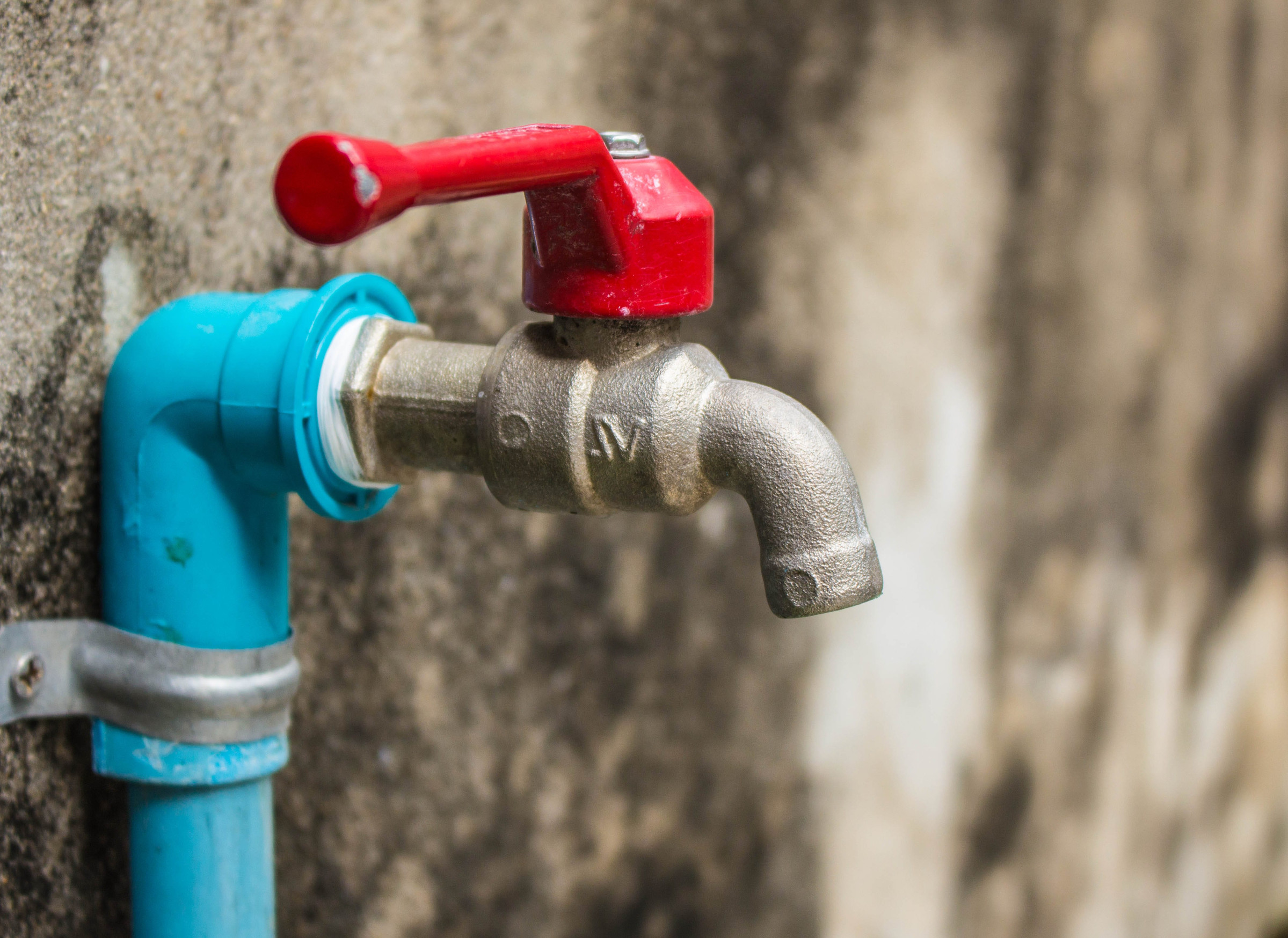
After disconnecting the hose, check the exterior faucet itself. If your plumbing system has a shutoff valve for outdoor fixtures, close it per the system’s design and drain any remaining water where appropriate. Pay particular attention to water lines running through unheated spaces or along exterior walls. Utah State University Extension explains that when water freezes inside an unprotected line, its expansion can cause a pipe to crack or split.
Don’t assume every outdoor faucet or plumbing arrangement should be handled the same way. If you are unsure whether a shutoff valve exists or how your system is configured, check the home’s plumbing documentation or consult a qualified plumber.
Related: 7 Everyday Appliances That Are Silently Increasing Your Water Costs
Clean Your Gutters and Downspouts
Leaves and other debris can accumulate in gutters during fall. Before the first freeze, inspect the gutters and downspouts and remove material that could interfere with drainage. The goal is straightforward: roof runoff should have a clear path away from the house. Oregon State University Extension recommends checking that downspouts are clear of leaves and debris and that they discharge far enough away from the foundation.
While cleaning, look for loose sections, visible breaks, leaks, or areas where water does not appear to drain properly. If the gutter system needs work at roof level, use appropriate safety equipment or hire a professional instead of taking unnecessary risks with ladders.
Check Your Furnace or Heating System
Don’t wait for the first cold night to discover your heating system needs attention. Turn the system on early enough to confirm that it starts and operates normally. ENERGY STAR recommends annual pre-season maintenance and specifically identifies fall as the appropriate time for heating-system checkups. Its homeowner guidance also recommends checking, cleaning, or replacing air filters regularly, with monthly inspection during periods of heavy use.
A dirty filter can restrict airflow and make the heating system work harder, according to ENERGY STAR. The appropriate replacement interval depends on the filter and equipment, so follow the manufacturer’s instructions rather than assuming every filter has the same service life. If the system makes unusual noises, repeatedly shuts down, produces an unusual smell, or otherwise behaves differently from normal, arrange for qualified service instead of attempting a repair beyond your experience.
Seal Drafty Windows and Doors
Walk through the house and check exterior doors and windows for obvious gaps or damaged weatherstripping. Watch for old caulk that has cracked, separated, or deteriorated. The U.S. Department of Energy identifies air sealing, weatherstripping, and window and door improvements as common components of whole-house weatherization. Its guidance treats the building envelope and heating system as connected parts of the home’s overall performance.
For a simple inspection, look for visible gaps around frames and trim and check whether doors close tightly against their weatherstripping. Small repairs may involve replacing worn weatherstripping or renewing suitable exterior caulk. Avoid sealing vents or openings that are intentionally designed for combustion air or ventilation. If you are unsure whether an opening is deliberate, have it assessed before closing it.
Related: 10 Ways to Improve Garage Door Security and Protect Your Home
Protect Frost-Sensitive Plants
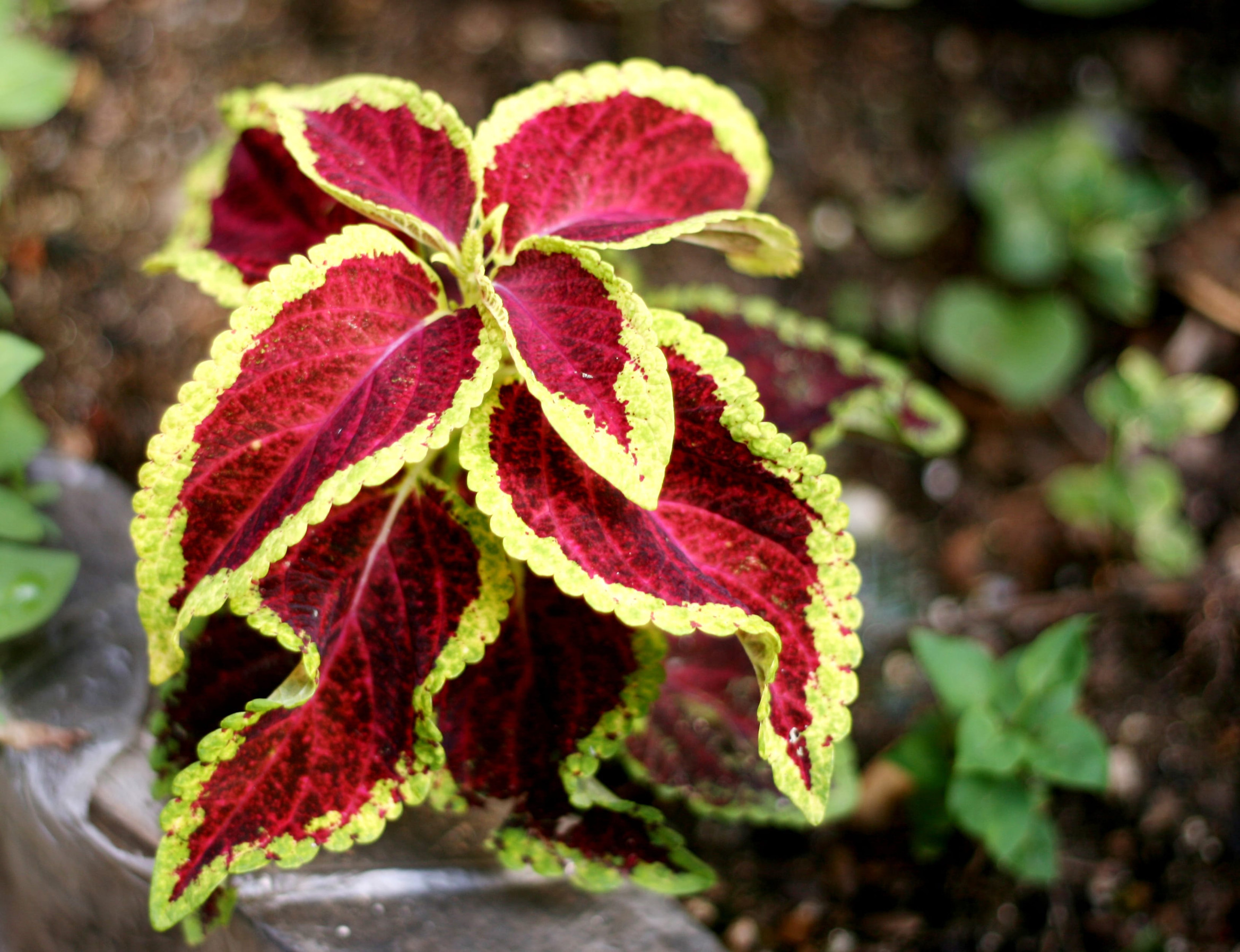
The first frost can be particularly important for plants that cannot tolerate freezing temperatures. Check your local forecast and identify plants that need protection before temperatures drop. University of Minnesota Extension notes that frost can damage tender plants and recommends protective methods such as row covers for vulnerable plants. The type and weight of the cover matter, and you may need to remove or ventilate it when conditions change.
Container plants are another consideration. Plants that spent summer outdoors may need to be brought inside before temperatures become too cold for their particular species. Do not treat every plant the same way. Frost tolerance varies considerably by species and variety. Use guidance specific to the plants you grow and your local climate.
Inspect Your Roof and Attic
Before winter weather arrives, inspect the roof from the ground for obvious problems such as missing or damaged shingles. If the attic is safely accessible, look for signs of moisture, water staining, or other visible problems. The attic deserves attention because insulation and air sealing are part of the home’s weatherization system. The Department of Energy lists attic insulation and air sealing among common weatherization measures.
If you see signs of an active roof leak, structural damage, or a problem you can’t safely inspect from the ground, have a qualified professional evaluate it.
Winterize Outdoor Equipment and Irrigation
Fall is a good time to put away equipment you won’t use in cold weather. Clean and store garden tools, lawn equipment, outdoor furniture, and other seasonal items according to their manufacturers’ instructions. Irrigation systems deserve special attention because water left in pipes and exposed components can freeze. Oregon State University Extension recommends end-of-season inspection, draining or blowing out irrigation pipelines, draining pumps and exposed pipelines, and addressing leaks before the next season.
Also consider where you store winter equipment. Snow shovels, ice-removal supplies, flashlights, and other seasonal items are more useful when they are accessible rather than buried behind summer equipment. You don’t necessarily need to put everything away just because frost is possible. Use the expected weather and each item’s needs as your guide.
Related: 7 Essential Yard Work Hacks: Expert Tips for a Lush, Healthy Lawn and Garden
Test Smoke and Carbon-Monoxide Detectors
The transition into colder weather often means greater use of heating equipment, fireplaces, or other appliances. Before the heating season gets underway, test the home’s smoke and carbon-monoxide detectors and replace batteries or the devices themselves according to the manufacturer’s instructions.
This is also a good time to review how you’ll use alternative heating equipment. Operate fuel-burning equipment according to its instructions, and never run generators inside a home, garage, or other enclosed space.
Key Takeaways

Before the first frost, check your home for these nine items:
- Disconnect and drain garden hoses.
- Shut off and protect outdoor faucets where appropriate.
- Clean gutters and clear downspouts.
- Test the heating system and check the filter.
- Inspect and seal obvious drafts around windows and doors.
- Protect frost-sensitive plants and bring vulnerable containers indoors.
- Inspect the roof and attic for visible damage or moisture.
- Winterize irrigation and store seasonal outdoor equipment.
- Test smoke and carbon monoxide detectors.
Completing these tasks does not require turning every fall chore into a major project. The useful approach is to work through the house systematically, address anything that could be damaged by freezing temperatures, and arrange professional help where a problem goes beyond routine maintenance. With basic checks done before the temperature drops, the home is better prepared for the shift from fall to winter.
Other Posts You Might Like
- The September Garden Mistakes That Can Make Your Spring Garden Harder
- 12 Home Improvements Homeowners May Regret Spending Big Money On
- The Fall Home Maintenance Tasks Chicago Homeowners Should Start Before Temperatures Drop
If you like what you just read, then subscribe to our newsletter and follow us on social media.


