

The post 16 things considered normal in Europe but totally weird in America first appeared on Crafting Your Home.
For plenty of Americans, Europe exists first as a magazine aesthetic: because they are uncultured.
The image is Scandinavian furniture, minimalist apartments, effortless street style, bicycles leaning against beautiful buildings and impossibly polished people drinking coffee in Copenhagen.
Europe is 40-plus countries with wildly different histories, laws, religions, economies, cuisines and social habits. Scandinavian design may dominate American lifestyle magazines, but it tells an American almost nothing about what feels normal in a German supermarket, a French school cafeteria, a British roundabout or a Dutch commute.
Here are 16 things that can feel completely normal in parts of Europe while leaving an American wondering why nobody warned them.
Prices already include the tax

An American shopper often has to calculate the final price at checkout because sales tax is added after the advertised price. In the European Union, consumer-facing prices generally have to show the total amount payable, including taxes and additional charges. The European Commission specifically requires consumers to receive clear information about the total price before buying.
That changes the psychology of shopping. A product marked €20 generally looks like a €20 purchase rather than a €20-plus-surprise-at-the-register purchase.
Cash can still be completely normal
Germany has become increasingly cashless, yet cash remains deeply embedded in everyday transactions. The Deutsche Bundesbank reported that cash accounted for 45% of recorded purchases in 2025, even after cashless payments crossed the 50% mark for the first time.
That means an American accustomed to tapping a phone almost everywhere can still encounter European businesses where carrying physical money is perfectly ordinary.
Sunday can actually mean closed
The American expectation that stores should be available whenever consumers want them runs into a very different tradition in parts of Europe.
Germany’s federal shop-closing law generally requires retail outlets to close on Sundays and public holidays, with exceptions for specific categories and circumstances.
For an American, discovering that the supermarket cannot simply stay open because customers want groceries can feel bizarre. In Germany, commercial convenience has historically had stronger boundaries.
A 35-hour workweek is the legal baseline in France
France’s legal working time for a full-time private-sector employee is 35 hours per week, although collective agreements and other arrangements can establish different schedules. The French government lists 1,607 hours annually as the corresponding legal reference.
An American worker accustomed to thinking in terms of a 40-hour week may find the French baseline striking. The number also shows why comparisons between European and American work cultures can become misleading when they ignore differences in labor law.
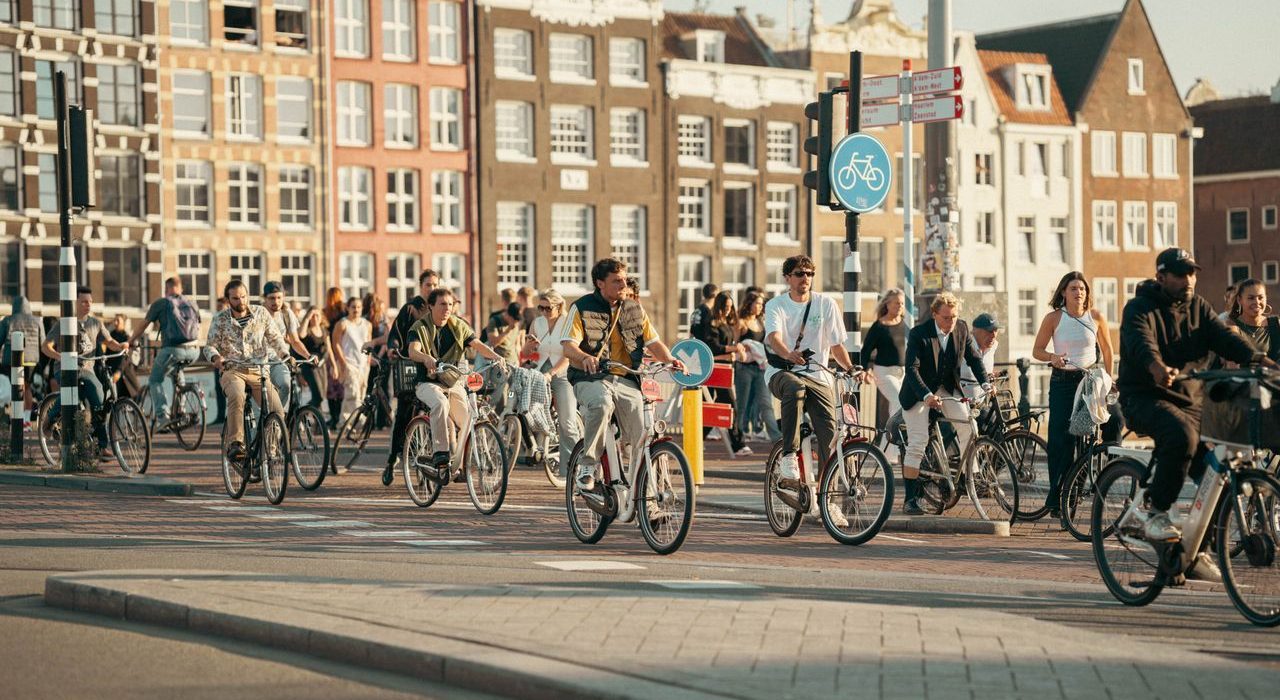
Bicycles can function as serious transportation
The Netherlands is hardly a country where bicycles exist merely for weekend recreation. The Dutch government says 27% of all journeys are made by bicycle, with some cities recording substantially higher shares.
The difference is visible in the infrastructure as much as the statistics. Cycling can be integrated into commuting, errands and ordinary urban movement, making the American image of a bicycle as mostly recreational feel oddly narrow.
Some highways have no general speed limit
Germany’s Autobahn has become legendary among Americans partly because there is no general speed limit across the entire motorway network. The German motoring organization ADAC notes that a recommended speed of 130 kilometers per hour applies where no mandatory limit exists, while many individual sections have posted restrictions.
The reality is less lawless than the stereotype. Weather, construction, traffic and dangerous sections can trigger limits, and the famous unlimited stretches represent only part of the network.
Europeans can cross borders without paying roaming charges
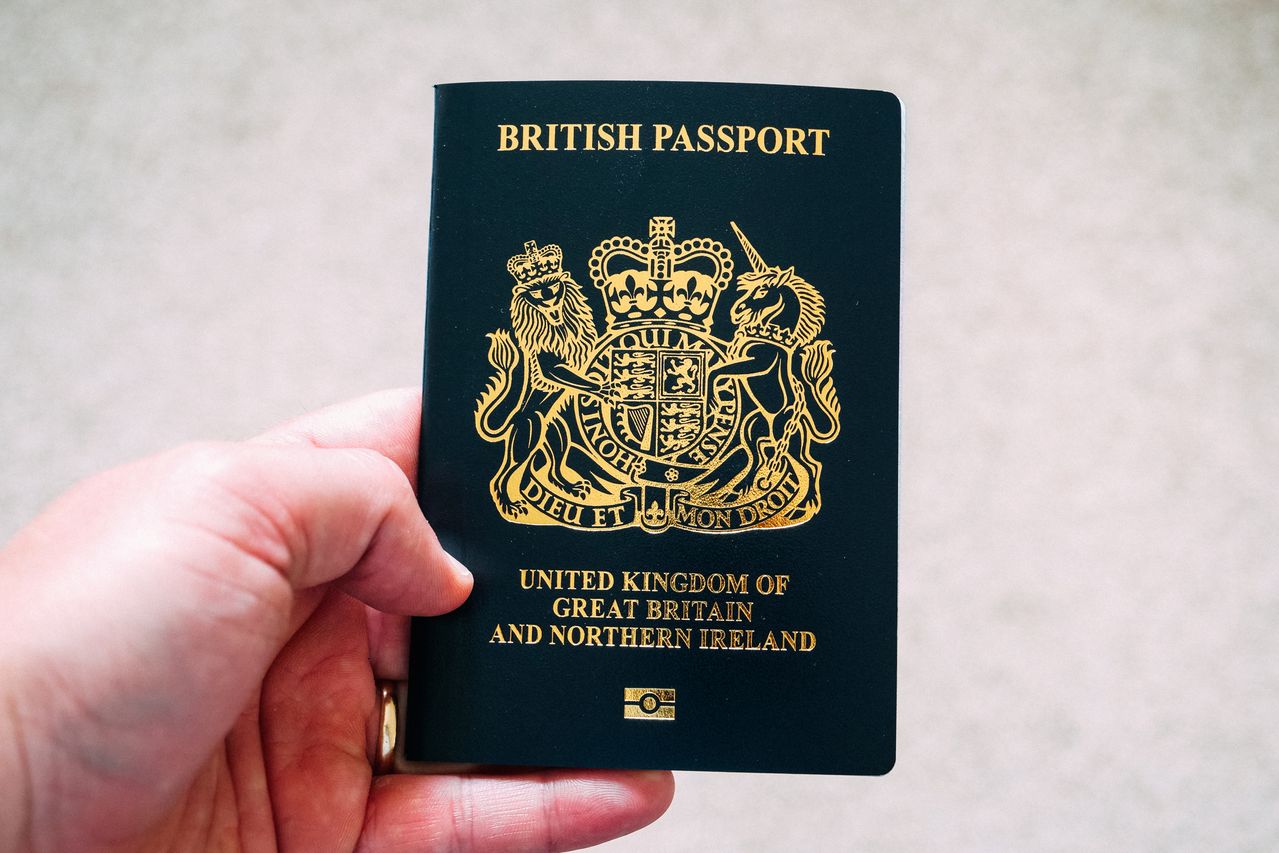
For an American traveling internationally, crossing a national border can mean checking whether a phone plan will trigger roaming costs.
Inside the European Union, the opposite principle generally applies. Under the EU’s Roam Like at Home rules, travelers can use calls, texts and mobile data at domestic rates when temporarily visiting another EU country. The rules have been extended through 2032.
A European can cross from one EU country to another and keep using a phone without the same kind of billing anxiety familiar to many American travelers.
Privacy rules can follow you around the internet
Americans encounter cookie notices too, but Europe’s privacy framework gives those interactions a different legal foundation.
Under the General Data Protection Regulation, consent for processing personal data must be freely given, specific, informed and unambiguous. The European Commission also says consent requests must clearly explain how the data will be used.
The endless consent boxes can be annoying. Their persistence also reflects a much broader European approach to treating personal data as something deserving explicit legal protection.
Repairing an appliance can be treated as a consumer right
Europe is increasingly challenging the throw-it-away-and-buy-another-one model.
The EU’s 2024 right-to-repair directive requires manufacturers of certain covered products to provide repair under specified conditions and restricts certain practices that obstruct repair. Member states must apply the rules from July 31, 2026.
For Americans accustomed to replacing malfunctioning electronics or appliances, the idea that regulation can push manufacturers toward repairability may feel unusually interventionist.
Related Post: 7 European Cities Where American Retirees Actually Fit In
Plastic straws are legally restricted
The European Union did not merely encourage consumers to use fewer plastic straws. Its single-use plastics rules restrict placing plastic straws, cutlery, plates and several other disposable plastic products on the market, subject to defined exceptions.
That makes certain disposable items Americans still encounter routinely feel surprisingly old-fashioned when encountered in Europe.
Returning a bottle can mean getting money back
Deposit systems for beverage containers are familiar in several European countries. The basic mechanism is simple: consumers pay an additional deposit when buying the beverage and get it back when they return the packaging.
The EU has now gone further. Its packaging regulation requires member states to establish deposit-and-return systems for specified single-use plastic bottles and metal beverage containers, subject to the regulation’s conditions and timelines.
For Americans used to tossing a bottle into a recycling bin, feeding it into a machine for a refund can seem almost transactional.
Related Post: 8 European Customs That Americans Find Strange
The metric system dominates everyday life
Americans are unusual among wealthy countries in maintaining widespread everyday use of miles, feet, inches and Fahrenheit.
The European Union uses the International System of Units, or SI, as its modern metric system.
The difference becomes obvious when an American sees distances in kilometers, temperatures in Celsius and weights in kilograms without the familiar imperial equivalents.
Britain drives on the opposite side
The United Kingdom offers one of Europe’s most immediate driving shocks for Americans.
The British Highway Code instructs motorists to keep to the left lane on motorways unless overtaking. Roundabouts also operate according to a different visual logic, with drivers normally giving priority to traffic approaching from the right.
For an American behind the wheel, the hardest adjustment may be psychological. Familiar road instincts suddenly point in the wrong direction.
French school lunches can be highly structured
School food in France can look surprisingly formal to Americans accustomed to quick cafeteria meals.
France’s Ministry of Education requires school menus to meet rules concerning variety and meal composition. Its current guidance describes lunches involving four or five components, including a main dish with a side and a dairy product.
The larger cultural difference is that the school meal is treated as part of the educational environment, with the French government explicitly describing mealtime as an opportunity for relaxation, communication and food discovery.
Speed limits are not the only European driving culture shock
Even where European roads look familiar, their rules can operate differently from American expectations.
Britain’s Highway Code, for example, places substantial emphasis on lane discipline, requiring motorway drivers to keep left unless overtaking. The same code also contains detailed rules for positioning and signaling on roundabouts.
The American habit of treating driving rules as broadly interchangeable from one road system to another becomes risky once national conventions change.
Summer time still changes the clocks across the EU
Europe has spent years debating whether seasonal clock changes should continue, yet the practice remains.
The European Commission’s 2026 schedule confirms that EU summer-time periods continue to begin and end on designated Sundays, with the published schedule extending through 2031.
For Americans, the familiar spring and autumn clock changes may seem mundane. The surprising part is that the European Union maintains a coordinated schedule across its member states despite years of discussion about changing the system.
Other Posts You May Like
If you like what you just read, then subscribe to our newsletter and follow us on social media.


