

This posts 8 Unwritten Rules of Being a Good Neighbor That Many People Forget first appeared on Crafting Your Home.
You can love your neighborhood and still be a lousy neighbor without realizing it. Nobody hands out a manual when you move in, yet everyone quietly judges whether you follow the code. According to Pew Research Center, only 26% of American adults now say they know all or most of their neighbors, down from 43% in 2010. Trust has slipped too, with 44% of adults saying they trust all or most of the people in their neighborhood, compared with 52% a decade earlier. The good news? Most of what makes someone a great neighbor isn’t complicated. It’s a handful of small, easy-to-forget habits. Here are eight worth relearning.
Don’t Let Your Trash Cans Become Permanent Lawn Décor
Rolling the bins out for pickup is normal. Leaving them at the curb for three extra days is not. Trash and recycling cans parked out front all week make a street look neglected and can even violate local ordinances in many cities. A simple fix: set a phone reminder to bring bins back within 12 to 24 hours of pickup. It sounds minor, but it’s one of the most common sources of quiet neighborhood irritation.
Give a Heads-Up Before You Make Noise
Construction, a loud party, or even an early-morning lawn mowing session hits differently when it’s a surprise. A quick text, a note on the door, or a five-minute conversation (“Hey, we’re having some friends over Saturday night, should wrap up by 10”) goes a long way. It doesn’t prevent every complaint, but it turns most neighbors from annoyed to understanding, because they feel informed rather than ambushed.
Respect the Invisible Property Line
Encroachment is one of the fastest ways to sour a friendly relationship. That includes letting a fence, hedge, or storage shed creep onto shared boundaries, parking habitually in front of someone else’s house, or letting kids’ toys and yard equipment migrate next door. before making any change near a shared boundary, a friendly heads-up or a quick property-line check can save awkward conversations later.
Keep Pets from Becoming Everyone Else’s Problem
A barking dog left outside for hours for a cat that treats a neighbor’s garden as a litter box, or a leash-free walk through someone’s front yard are common flashpoints. Good pet etiquette means picking up waste immediately, keeping dogs from barking excessively when left alone, and asking before letting a pet wander into someone else’s space. It’s not about loving pets less; it’s about recognizing that not everyone signed up to deal with them.
Communicate Before You Complain
When something’s bothering you, the instinct is often to call the HOA, file a city complaint, or vent in the neighborhood app first. But going straight to enforcement or public shaming, instead of talking to the person directly, tends to escalate tension fast. A calm, private conversation resolves most issues faster than an official complaint ever will, and it preserves a relationship you’ll likely need again someday, whether it’s for a borrowed ladder or watching the house while you’re away.
Related:5 High-Paying Jobs People Are Avoiding
Match the Neighborhood’s Unspoken Rhythm
Every block has an informal culture, quiet hours, how early people mow, whether porch lights stay all night, how loudly garage bands are tolerated. Paying attention to these patterns for the first few weeks after moving in, rather than assuming your old neighborhood’s norms to carry over, prevents a lot of friction. New neighbors who spend a little time observing before making changes tend to integrate far more smoothly. Show Up for the Big Moments, Even Briefly
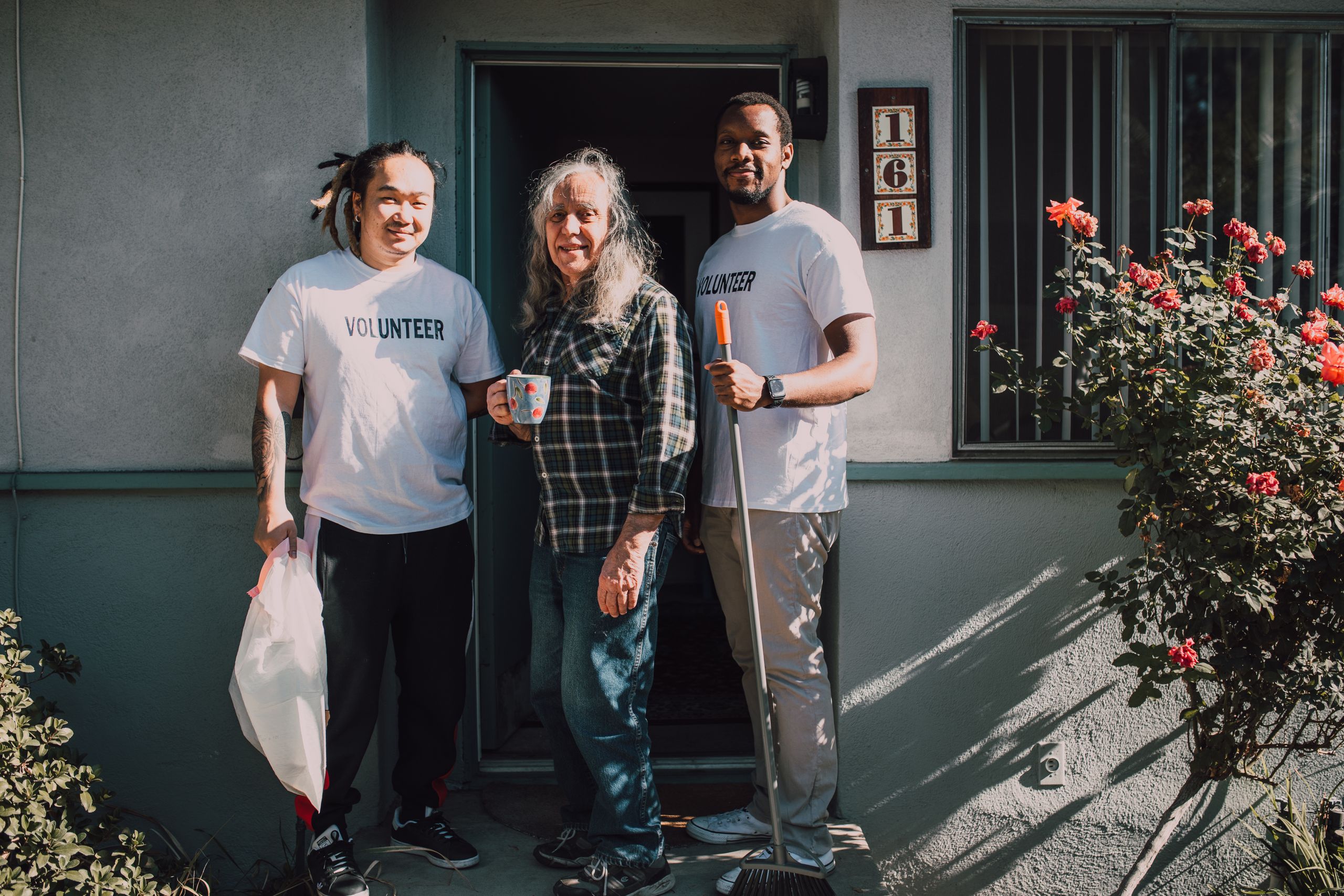
You don’t need to be best friends with everyone on the street, but showing up matters. That might mean bringing in a neighbor’s trash cans while they’re on vacation, checking on an elderly resident after a storm, or dropping off a meal when someone’s sick. Research on American neighborliness backs this up: roughly three-quarters of adults say they’d help a neighbor who’s out of town, and two-thirds would deliver a meal to someone who’s ill. The instinct to help is still strong, even in neighborhoods where people barely know each other’s names.
Related: The U.S. Presidential Candidate Who Took Erectile Dysfunction Out of the Shadows
Don’t Let Silence Replace an Actual Relationship
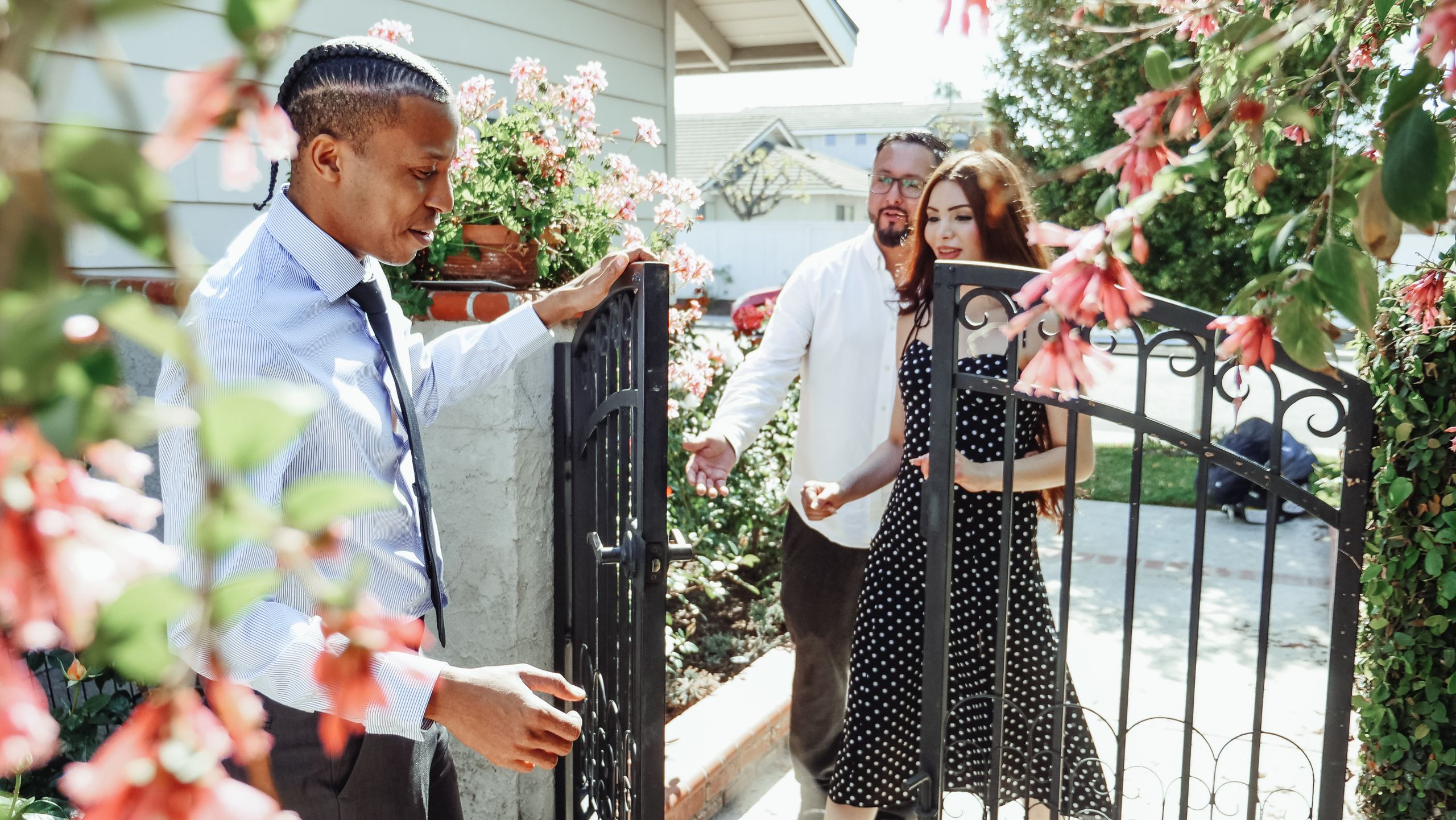
It’s easy to wave from the driveway for years without ever learning a neighbor’s name. But a little effort- introducing yourself when you move in, chatting at the mailbox, exchanging phone numbers “just in case,” pays off when something actually goes wrong, like a power outage, a break-in scare, or a medical emergency. Kids and pets are often the strongest connectors between neighbors, so if you have either, use them as a natural conversation starter instead of staying behind the fence.
The Bottom Line
Being a good neighbor isn’t about grand gestures. It’s about the small, easy-to-overlook habits: managing noise, respecting boundaries, communicating instead of escalating, and occasionally just showing up. In an era when fewer Americans know the people living next door, these unwritten rules matter more than ever. They cost almost nothing, and they’re often what turns a random collection of houses into an actual community.
Other post you might like:
- America’s Good Jobs Are No Longer Enough: Why Millions Feel Financially Trapped.
- 10 Higher-Paying Jobs Workers Are Quitting Despite Strong Demand.
- The 8 Most Dangerous Jobs That Pay Well .


