

The post 8 Things Grandchildren Remember Most About Visiting Grandma’s House first appeared on Crafting Your Home.
What about Grandma’s house can stay with someone for decades?
Often, it is not the size of the rooms, the style of the furniture, or whether the house looked like something from a magazine. The homes people remember most are usually the ones filled with small, unmistakable details: the scent in the entryway, the recipe that existed only in her hands, the chair everyone knew was hers, the traditions that happened every time someone came through the door.
For many families, a grandmother’s home became memorable because it felt familiar. Certain sights, sounds, smells, and routines were repeated until they became connected with one person and one place. Research on scent and memory has found that personally meaningful smells can bring back autobiographical memories and feelings of nostalgia, which helps explain why a familiar household scent can feel like a doorway to the past. It is not that every grandmother’s home smelled the same it is that some homes had details that felt completely and uniquely hers.
The little things that turned a house into her world
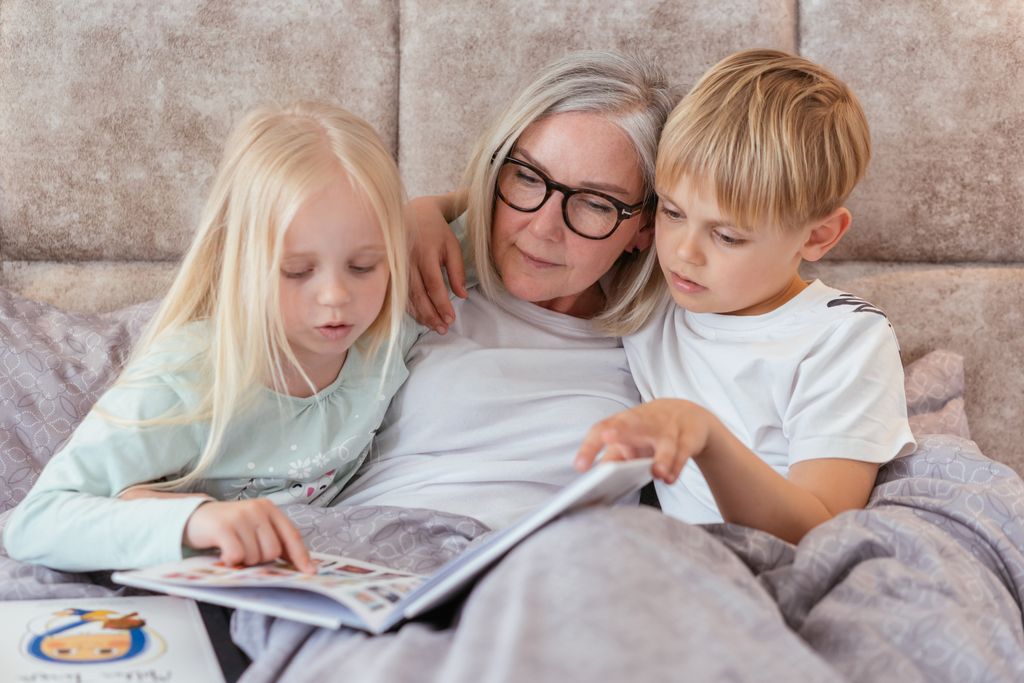
Before anyone sat down or unpacked a bag, the house often introduced itself.
For some families, it might have been coffee brewing in the kitchen, cinnamon from something baking, roses from the garden, a favorite perfume, fresh laundry, or the particular scent of an old wooden cabinet. These smells were not special because they were rare. They mattered because they were attached to a person and a place that carried meaning.
Scent connects powerfully with memory because familiar smells can bring back personal experiences and the emotions tied to them. A certain aroma years later may not simply remind someone of a room it may bring back the feeling of arriving, being welcomed, and knowing exactly where they were.
The food nobody else could make quite the same way.
Many grandchildren remember a meal, snack, or recipe that seemed impossible to duplicate.
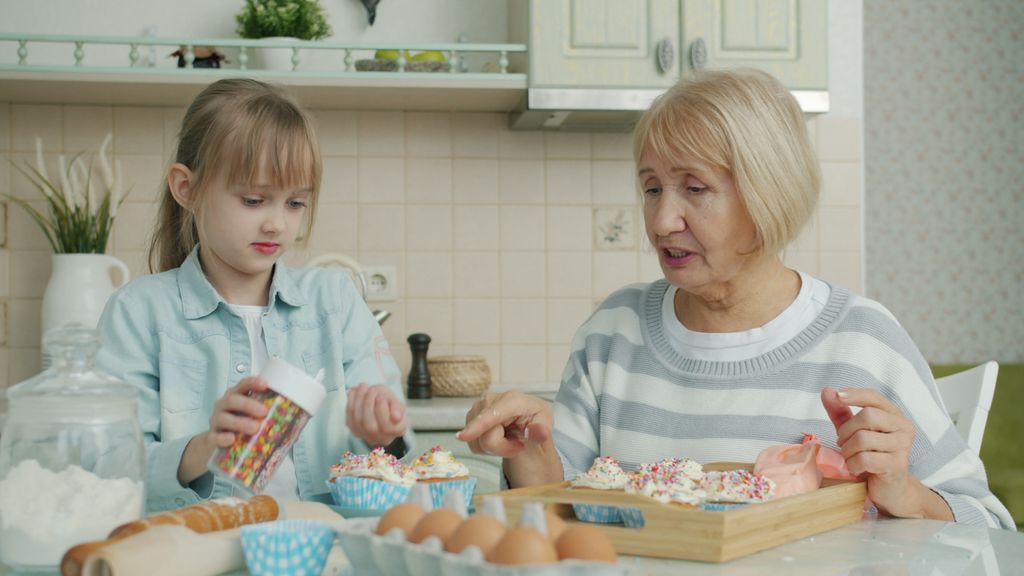
Maybe it was pancakes served before cartoons, a Sunday dinner that appeared without fail, toast cut in a particular shape, or a cake made from instructions that existed mostly in Grandma’s memory rather than on a written card. The recipe itself was only part of the memory. The larger story was the care behind it.
Research exploring grandparent and adult-grandchild relationships found that food, cooking, baking, and family recipes often become ways that traditions and affection move between generations. In that study, one participant described returning to certain foods because eating them helped him remember a grandparent.
The meal was never just a meal. It was a connection you could revisit.
The treat rule that felt different from home
Many families have their own version of the famous Grandma snack tradition: a candy dish, a cookie tin, freezer treats, or a quiet allowance for “one more” sweet.
These details are not universal, but they have become familiar symbols of the special role grandparents often play. Children may experience grandparents as having a different rhythm than parents one that allows more room for play, patience, and relaxed moments together.
Family therapist Marina Kerlow described grandparents as bringing“a playful, patient energy that feels safe and accepting.” The appeal of Grandma’s house was often not about unlimited treats. It was about feeling welcomed into a space where ordinary rules sometimes softened.
The objects that belonged only to her
Every grandmother’s house had its own landmarks.
It might have been a quilt folded over the sofa, floral cups saved for visitors, crocheted decorations, an old recliner, photo albums, a wooden clock, a collection on a shelf, or a toy box that seemed unchanged for years.
The object itself was rarely the whole story. What mattered was the connection attached to it.
Interior designer Kathleen Anderson recalled her grandmother’s doilies as a meaningful part of her childhood memories. Later, seeing similar items brought back what she described as “an instant shot of this feeling of being loved.”
Objects can become reminders of relationships, carrying memories because of the person who surrounded them with meaning.
The routines and stories that made visits unforgettable
Grandma’s house often had a rhythm.
It might have included Saturday pancakes, a walk through the garden, board games after lunch, baking together, a favorite television show, or a regular errand that became a tradition. The activity didn’t have to be elaborate. Its importance came from repetition.
Kerlow notes that shared rituals such as storytelling, cooking, games, nature walks, cultural traditions, and crafts can strengthen grandparent-grandchild relationships by creating connection, shared memories, and a sense of heritage.
Repeated moments become anchors. Over time, a simple routine can become one of the strongest reminders of a relationship.
The stories that kept family history alive
At Grandma’s house, family history often appeared naturally.
It might come up while looking through old photographs, during a card game, while preparing a meal, or when someone asked about a person in a picture. Stories about childhood, relatives, and earlier generations gave family memories a voice.
Research on grandparent-grandchild relationships has examined the stories shared between these generations, showing that storytelling is an important part of how they connect.
These stories were rarely formal lessons. They were conversations woven into ordinary moments, turning the past into something personal and familiar.
The secret map of the house
Many grandchildren could draw Grandma’s house from memory.
They knew which step creaked, where the best hiding spots were, which room felt quiet, where the garden path led, or which chair seemed permanently claimed. The details varied from home to home, but the feeling was similar: the house had become a place they understood deeply.
A home can hold family memories through the spaces people repeatedly share. The meaning comes not from a particular feature, but from the experiences connected to it.
The holiday details that returned every year
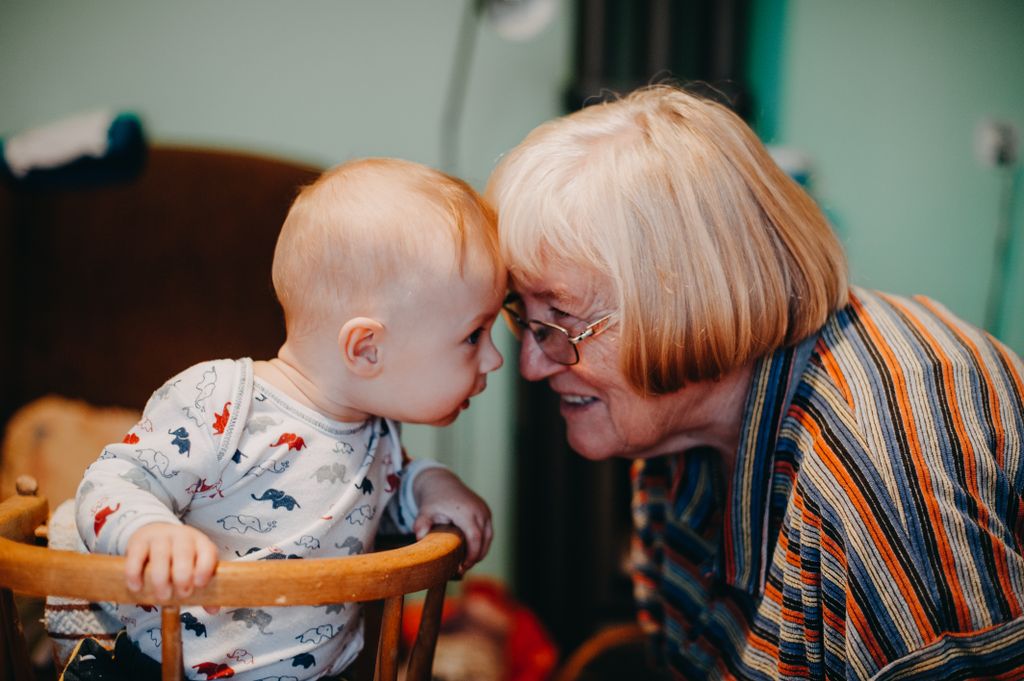
Special occasions often became a collection of familiar images.
It could be the same ornaments brought out each winter, a holiday plate of cookies, a birthday tradition, a favorite blanket, a garden harvest, or a table arranged in a way everyone recognized. These repeated details created continuity.
The study on grandparent-grandchild relationships also identified celebrations and shared traditions as important parts of maintaining family connections, including ongoing birthday and holiday customs.
The traditions did not need to be impressive. Their power came from being recognizable.
Why these memories last
The homes grandchildren remember most are often not the most decorated or the largest. They are the ones where ordinary details became connected to a particular person.
A smell, a recipe, an old chair, a familiar story, or a repeated tradition can become a signature. These are the pieces that tell someone, “This was Grandma’s place.”
A house becomes meaningful through the lives lived inside it. The memories that remain are often built from small moments repeated with care until they become part of a family’s story.
Other Posts You Might Like:
If you like what you just read, then subscribe to our newsletter and follow us on social media.


