

The post The Longest Total Solar Eclipse in Decades Is Less Than a Year Away — Where to See It first appeared on Crafting Your Home.
A major sky event is coming, but most viewers will need to look beyond their local skies to experience the main attraction.
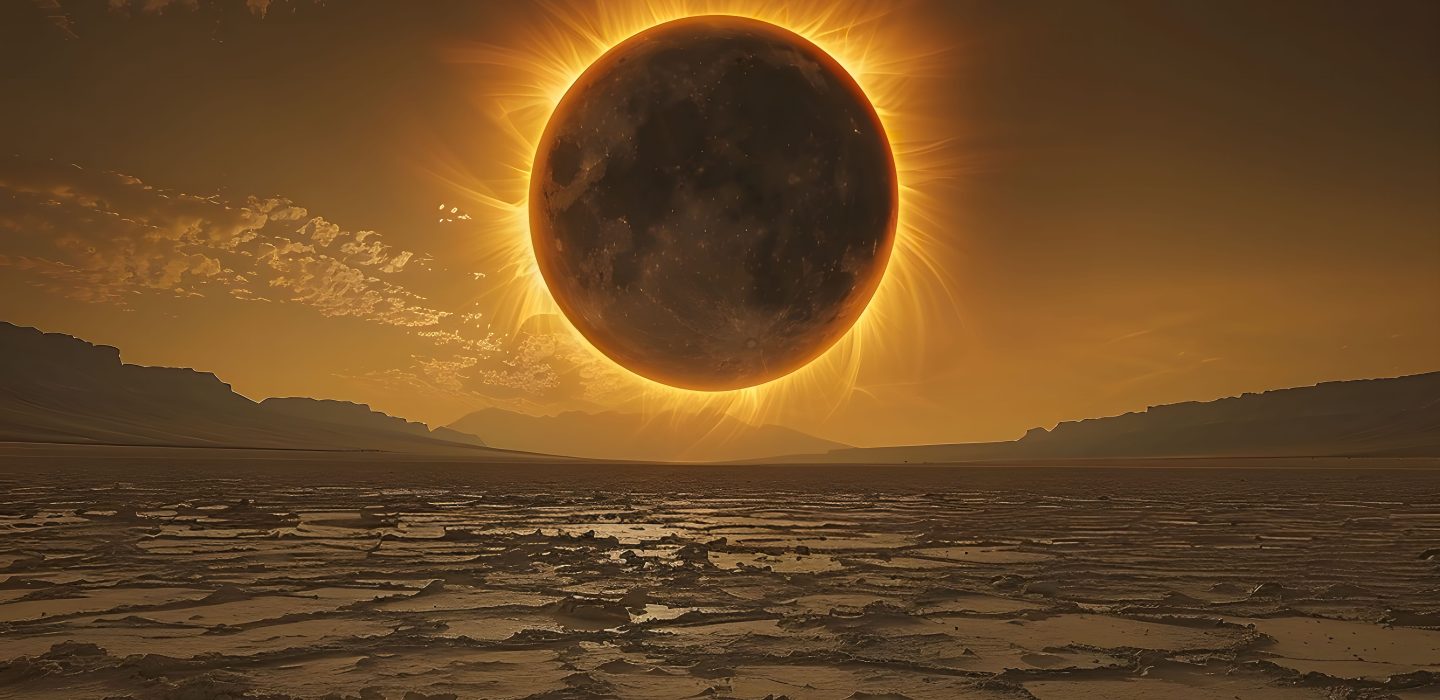
A total solar eclipse will occur on Monday, Aug. 2, 2027, with the longest period of totality expected in southern Egypt. At the point of greatest duration, totality will last about 6 minutes 23 seconds, according to NASA’s eclipse calculations.
For anyone hoping to experience the eclipse, location will be the deciding factor. The path of totality will cross parts of southern Spain, North Africa, the Arabian Peninsula and the Horn of Africa, with southern Egypt offering the event’s maximum duration.
Why the eclipse is drawing attention
The 2027 eclipse stands out because of the length of its total phase. NASA lists the maximum central duration as about 6 minutes 23 seconds at the point of greatest duration. Astronomy reporting has described it as the longest total solar eclipse since 2009, with no longer total eclipse expected until 2114.
For eclipse watchers, that extra time matters because totality is the brief period when the Moon completely covers the Sun for locations inside the narrow path. The event’s path will be about 258 kilometers, or roughly 160 miles, wide at its maximum width, making exact location planning important.
The greatest-duration point is located near coordinates in southern Egypt, close to the Luxor region. NASA’s calculations place the maximum near that area rather than simply within a specific city boundary.
Where people will be able to see totality

Southern Egypt is the location connected with the eclipse’s longest totality. NASA’s greatest-duration calculations place the maximum near the Luxor region, where totality reaches about 6 minutes 23 seconds.
Other destinations along the eclipse route will also offer views of totality, though the duration will vary. The path crosses parts of Morocco, Spain, Algeria, Libya, Egypt, Saudi Arabia, Yemen, and Somalia. NASA’s future-eclipse information also includes Tunisia in the North Africa route.
Some destinations may be more accessible for international travelers, including southern Spain, Gibraltar, and northern Morocco, but the time spent in totality is shorter than at the greatest-duration point. Independent astronomy reporting estimates shorter totality durations for locations such as Tarifa, Spain; Gibraltar; and Tangier, Morocco.
Egypt, Libya and Tunisia are among the locations associated with longer periods of totality. Space.com lists longer durations for destinations including Sfax, Tunisia; Benghazi, Libya; and Sohag, Egypt.
What this means for local readers
For communities outside the eclipse path, this is primarily an international viewing opportunity rather than a local total-eclipse event. Practical options include planning travel, following official viewing information, or watching coverage of the eclipse rather than expecting totality nearby.
While the 2027 eclipse is expected to attract global attention, the full experience will only be visible from locations inside the narrow path of totality. Other regions may see a partial eclipse or no eclipse at all, so viewers should check their location carefully before making plans.
For U.S. viewers, this will not be a total eclipse visible across the country. NASA’s information places the path of totality overseas, while only a limited partial view is expected in northern Maine.
Planning ahead
Anyone considering travel should verify exact viewing locations using NASA’s eclipse maps. The totality corridor is narrow, and nearby cities, airports, or other locations may not all fall inside the path.
The greatest eclipse is listed at about 10:07 UTC, although local viewing times will vary depending on where someone watches along the route.
Safety will also be an important part of eclipse planning. During a partial eclipse, and before or after totality, viewers need appropriate solar filters. NASA advises that solar viewers should meet the ISO 12312-2 standard and notes that it does not endorse particular viewer brands.
Other posts you might like
If you like what you just read, then subscribe to our newsletter and follow us on social media.

