
The post 9 Small Touches That Make a Home Feel Instantly Welcoming to Guests first appeared on Crafting Your Home.
A welcoming home does not necessarily require new furniture, expensive décor, or a major redesign. Often, the details guests notice are simpler: whether they can move around comfortably, where they can put their belongings, whether the lighting suits the time of day, and whether the room feels ready for conversation.
A study published in the Journal of Environmental Psychology found that both lighting and home-like décor influenced interpersonal communication in an experimental setting. The study compared bright and soft lighting with office-like and home-like décor and found measurable differences in communication patterns.
That does not mean there is one formula for a welcoming home. Preferences vary by person, climate, culture, and the room’s purpose. But a few practical changes can make a guest space easier and more pleasant to use.
Clear the Entryway
The entryway is the first part of the home most guests encounter, so it is a useful place to remove unnecessary obstacles. Clear the floor, reduce visual clutter, and leave an obvious place for coats, shoes, bags, or keys. A 2021 study in the Journal of Environmental Psychology examined 1,111 adults and found associations between subjective perceptions of clutter, people’s relationship with their homes, and measures of well-being.
For guests, the simplest application is functional rather than psychological: give their belongings somewhere to go. A small bench, basket, hooks, or cleared console can accomplish this without changing the room.
Switch to Warm, Layered Lighting
Lighting can change how a room feels and how you use it. Instead of relying entirely on one bright overhead fixture, combine general lighting with lamps or other localized sources where appropriate. A study in the Journal of Environmental Psychology found that lighting conditions affected communication in an experimental setting, while home-like décor also influenced communication. Interestingly, the researchers did not find one lighting level universally preferable; the effects differed by the type of communication being considered.
For an ordinary home, the practical approach is flexibility. Use brighter, clearer light where people need to see tasks easily and softer, localized light where guests are sitting and talking.
Related: 7 Minimalist Decorating Ideas for a Calm and Clean Space
Add Soft Textures
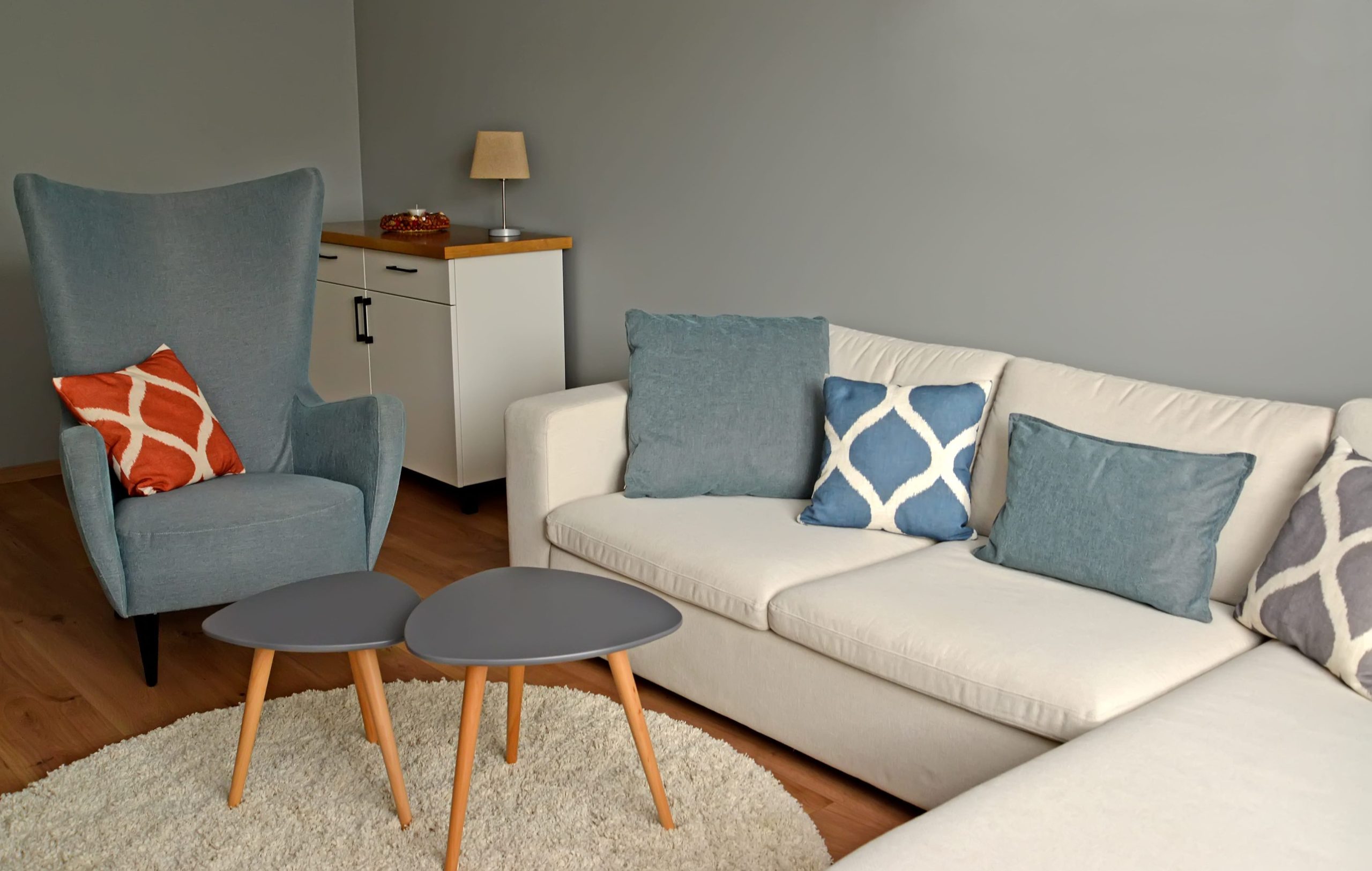
A room can look finished while still feeling visually or physically hard. Adding a throw, cushion, rug, curtain, or upholstered surface introduces texture variation without requiring a complete decorating scheme. The point is not to fill every surface. Too many accessories can make a room harder to navigate and maintain. Instead, choose a few pieces with a clear purpose.
This also makes seating more adaptable. A lightweight throw can be moved when the temperature changes, while cushions can make different seating positions more practical. The result is a room that gives guests some control over their immediate surroundings rather than requiring them to adapt to a fixed arrangement.
Freshen the Air
A room can look tidy but still feel unprepared if the air is stale or strongly scented. Before guests arrive, ventilate the room when outdoor conditions allow it and address obvious sources of unpleasant odors rather than attempting to cover them with a heavy fragrance. The World Health Organization’s housing guidance identifies ventilation, building conditions, furnishings, cooking, heating, and other factors as contributors to indoor air quality. Its guidance also emphasizes effective ventilation and avoiding stagnant air.
That makes ventilation a more sensible starting point than simply adding fragrance. If you use candles, diffusers, or room sprays, keep the scent subtle and consider guests’ preferences.
Related: 8 Ways to Declutter Your Home and Simplify Your Life
Stock the Guest Bathroom
Small, practical details often matter because guests shouldn’t have to ask for basic necessities. Before visitors arrive, check that the bathroom has hand soap, toilet paper, a clean hand towel, and a wastebasket. If overnight guests are staying, make frequently needed items easy to find. A spare towel placed somewhere visible is more useful than one hidden in a cupboard. This is less about decoration than reducing unnecessary uncertainty. A guest should be able to enter the bathroom and understand how the space works without needing instructions.
Cleanliness matters here as well. A 2025 Building and Environment study analyzing guest reviews of Australian hotels and serviced apartments found that cleanliness, indoor air quality, acoustics, space, and other environmental factors contributed to guest ratings, with shortcomings in several of these areas associated with poorer evaluations.
Keep Drinks and Snacks Within Reach
Hospitality doesn’t need an elaborate spread. If guests are staying for several hours, make ordinary refreshments easy to access. A jug of water, glasses, coffee or tea supplies, or a small selection of appropriate snacks can be placed where guests can help themselves. The advantage is convenience: visitors don’t have to interrupt a conversation just to ask where something is.
This is especially useful when several people are visiting. A self-service arrangement lets guests choose what they want without making the host responsible for every small request. The same principle can apply to practical items. If phone charging is likely, providing an accessible outlet or charging point can be more useful than another decorative object.
Add Fresh Flowers or Greenery
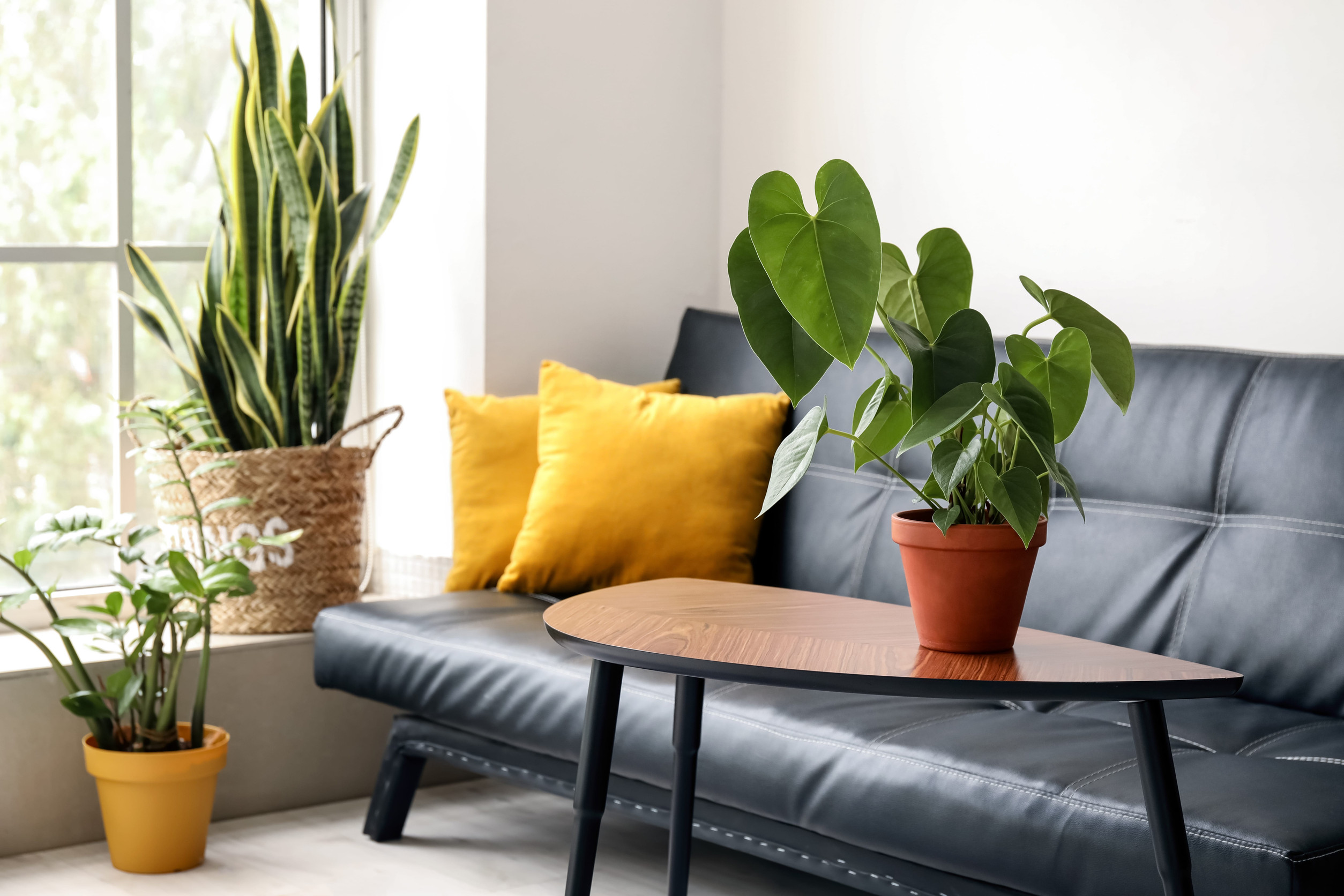
Plants and flowers can add color, texture, and visual variation without major changes to furniture or wall décor. The key is restraint. One vase of flowers on a dining table or a modest plant near a window can be enough. Choose arrangements that leave surfaces usable and do not obstruct conversation across a table.
Environmental psychology also offers a broader reason to think of décor as part of a room’s character. Research treats physical surroundings as more than a neutral backdrop. The 2026 environmental-impressions research found that light, density, desirability, and temperature contributed to how participants formed impressions of environments. In practice, greenery works best when it supports the room rather than becoming the room’s main feature.
Related: 10 Best Plants for Rain Gardens to Combat Runoff and Erosion
Create Comfortable Conversation Areas
Furniture arrangement can make a greater difference than adding another decorative item. If guests are visiting socially, arrange chairs and sofas so people can comfortably see and speak to one another. Avoid pushing every piece of furniture against a wall simply because that creates more open floor space. A smaller, defined seating arrangement can sometimes use the available room better.
A 2026 study in the Journal of Environmental Psychology examined three studies involving adults and undergraduates and found that interactions with friends in home environments were associated with aspects of interpersonal closeness. The researchers also noted that the frequency of virtual interaction was a major factor. The practical takeaway is simpler: arrange the room around what people will actually do. If the visit is mainly conversation, make conversation easy.
Add One Personal or Unexpected Detail
A welcoming home does not have to look like a showroom. Personal objects can give guests something to notice and ask about: a favorite book, a piece of artwork, a photograph, a locally made object, or something connected to a hobby. A 2016 Journal of Environmental Psychology study found that place attachment and people’s identification with possessions were positively associated with what the researchers called “psychological home,” while possession clutter was negatively related to that construct.
Personal belongings can add character, but more possessions aren’t automatically better. Select a few meaningful objects and give them enough space to be noticed.
Key Takeaways

The most useful guest-ready changes are often the least complicated. Give people somewhere to put their belongings. Make seating comfortable and conversation easy. Provide basic necessities without making guests ask. Use lighting that suits the activity, keep the air fresh, and allow some of the home’s personality to remain visible.
Research into interiors can explain why environmental factors such as light, temperature, density, and décor matter, but it cannot prescribe one universal definition of a welcoming home. People’s preferences and circumstances differ.
That leaves room for a practical rule: instead of decorating to impress guests, design the space so guests can understand it, use it, and feel at ease. A few deliberate adjustments are usually enough to change the experience without changing the entire home.
Other Posts You Might Like
- 6 Places in Your Home You Should Never Use for Storage
- 8 Household Items That Begin to Feel Immature After 30
- 6 Genius tiny-living hacks that will transform your apartment
If you like what you just read, then subscribe to our newsletter and follow us on social media.