

The post 10 things people once called ugly that are now seen as attractive first appeared on Crafting Your Home
Beauty is a funny thing. What one generation calls strange, outdated, or unattractive can become the next generation’s definition of cool. Trends change, cultures shift, and sometimes what people once rejected becomes what they celebrate.
From buildings and food to fashion and personal style, history is full of surprising makeovers.
The truth is that “ugly” is rarely permanent. Often, it is simply a matter of timing, perspective, and the stories people attach to something.
Here are 10 things people once called ugly but now see as attractive.
The Eiffel Tower: Paris’s Once-Hated Landmark

It is hard to imagine Paris without the Eiffel Tower. Today, it represents romance, creativity, and French identity. But when it was built in 1889, many influential French artists and writers strongly disliked it. Critics argued that the giant iron structure ruined Paris’s elegant skyline and looked more like an industrial machine than art. A group of cultural figures even published a protest describing the planned tower as a “monstrous” addition to the city.
Over time, public opinion changed. Visitors loved its dramatic height, engineers admired its design, and its usefulness in communication technology helped secure its future. What was once criticized became one of the world’s most famous symbols.
Lobster: From Cheap Food to Luxury Dining
Today, lobster is often associated with expensive restaurants and special celebrations. But centuries ago, it was far from glamorous.
Because lobsters were easy to find in coastal areas, people linked them with poverty and everyday meals rather than luxury. In some places, lobster was even considered suitable food for servants and prisoners.
Its image changed as transportation improved and coastal tourism grew. Visitors developed a taste for fresh lobster, restaurants began serving it as a premium dish, and what was once ordinary became a symbol of indulgence.
The funny part? The lobster itself didn’t change, only how people viewed it.
Tattoos: From Social Stigma to Personal Art

Tattoos have existed across many cultures for centuries, often representing identity, tradition, spirituality, or status. However, in many Western societies, people once viewed tattoos negatively. They were often associated with sailors, criminals, outsiders, or people considered outside mainstream society.
That perception began to change through music, youth culture, celebrities, and professional tattoo artists. Tattoos became less about rebellion alone and more about creativity, memories, self-expression, and personal storytelling.
Today, a tattoo can be a fashion choice, a piece of art, or a meaningful reminder of someone’s journey.
Ripped Jeans: When Damage Became Fashion
A pair of ripped jeans once suggested one thing: the clothing had been worn out.
For many working-class communities, torn denim represented hard work and the inability to replace old clothes. It was not a style statement; it was a sign of wear.
Then punk culture changed everything. Torn jeans became a symbol of rebellion, individuality, and a rejection of traditional fashion rules. Soon, designers began selling intentionally ripped jeans at premium prices.
A hole that once lowered a garment’s value suddenly increased it.
Freckles: From “Flaws” to Features
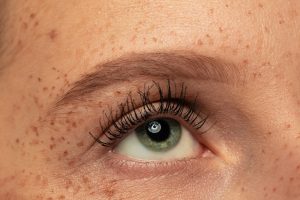
For years, many people tried to hide freckles. Beauty standards often favored smooth, even skin, and products were created specifically to remove freckles. Today, freckles are often celebrated as unique and natural. Some people even create fake freckles with makeup because they are considered youthful and charming.
This shift reflects a wider change in beauty culture, from chasing perfection to appreciating individuality.
Sushi: From Strange Food to Global Favorite
When sushi first became known to many Americans, it was unfamiliar and sometimes intimidating. The idea of eating raw fish was difficult for many people to accept. Over time, sushi became more approachable through adaptations such as the California roll, which introduced familiar ingredients while keeping elements of Japanese cuisine.
Today, sushi can mean a quick meal, a luxury dining experience, or a symbol of international taste.
Brussels Sprouts: The Vegetable Everyone Started Loving
Brussels sprouts were once the vegetable many children avoided. Their bitter taste and strong smell gave them a terrible reputation.
But better farming techniques and new cooking methods changed their image. Roasting, frying, seasoning, and restaurant creativity transformed them into a trendy dish.
Sometimes the problem is not the food, it is how it is prepared.
Brutalist Architecture: From Cold Concrete to Cool Design
Brutalist buildings were once criticized for looking harsh, gray, and unfriendly. Many people associated them with unattractive concrete structures and outdated urban planning. Recently, some architects, designers, and younger audiences have rediscovered Brutalism for its bold shapes, dramatic appearance, and unique character.
It remains controversial, but that debate is part of what makes it interesting.
Vinyl Records: From Outdated Technology to Collectible Treasure
For years, vinyl records were considered old-fashioned. CDs, digital downloads, and streaming made them unnecessary.
But people started appreciating vinyl for its physical experience, the artwork, the ritual of playing a record, and the feeling of owning something tangible.
What was once inconvenient became special.
High Heels for Men: From Status Symbol to Fashion Statement
High heels were not always considered feminine. In parts of European history, men wore heels as symbols of wealth and status.
Later, changing ideas about masculinity caused men’s heels to be viewed as inappropriate or unusual.
Today, heels have returned for men in fashion, performance, and gender-fluid styling, where they can represent confidence, creativity, and self-expression.
The Real Lesson: Beauty Keeps Changing
The biggest takeaway from these examples is that attractiveness is not fixed. Culture decides what feels beautiful, valuable, or desirable,and those decisions can change dramatically over time. The Eiffel Tower did not become more beautiful because its metal changed. Lobster did not become tastier because it became expensive.
Ripped jeans did not become more comfortable because they had holes.
What changed was the meaning people gave them.
So the next time you see something unusual, outdated, or unpopular, remember: today’s “ugly” might just be tomorrow’s trend.
Other Posts You Might Like
- 6-forgotten-desserts-from-grandmas-kitchen-that-deserve-a-comeback
- behaviors-considered-polite-in-the-60s-that-are-now-deemed-offensive
If you like what you just read, then subscribe to our newsletter and follow us on social media.


