

This posts Streets, Parks and Parking Lots Are Becoming America’s New Town Squares, and Communities Are Leading the Charge first appeared on Crafting Your Home.
For decades, plenty of American downtowns followed the same script. Traffic moved through, people rarely lingered, and public space meant little more than a sidewalk connecting a parking spot to a storefront. That script is being rewritten in cities and small towns across the country. Streets are being narrowed for foot traffic; empty plazas are being filled with vendors and events, and neighborhoods that once felt like places people passed through are being redesigned as places people actually want to stay. Planners call this shift placemaking, and it is backed by real funding, real data, and real people working to make it happen.
Streets and Parks Are Being Redesigned as Places to Gather
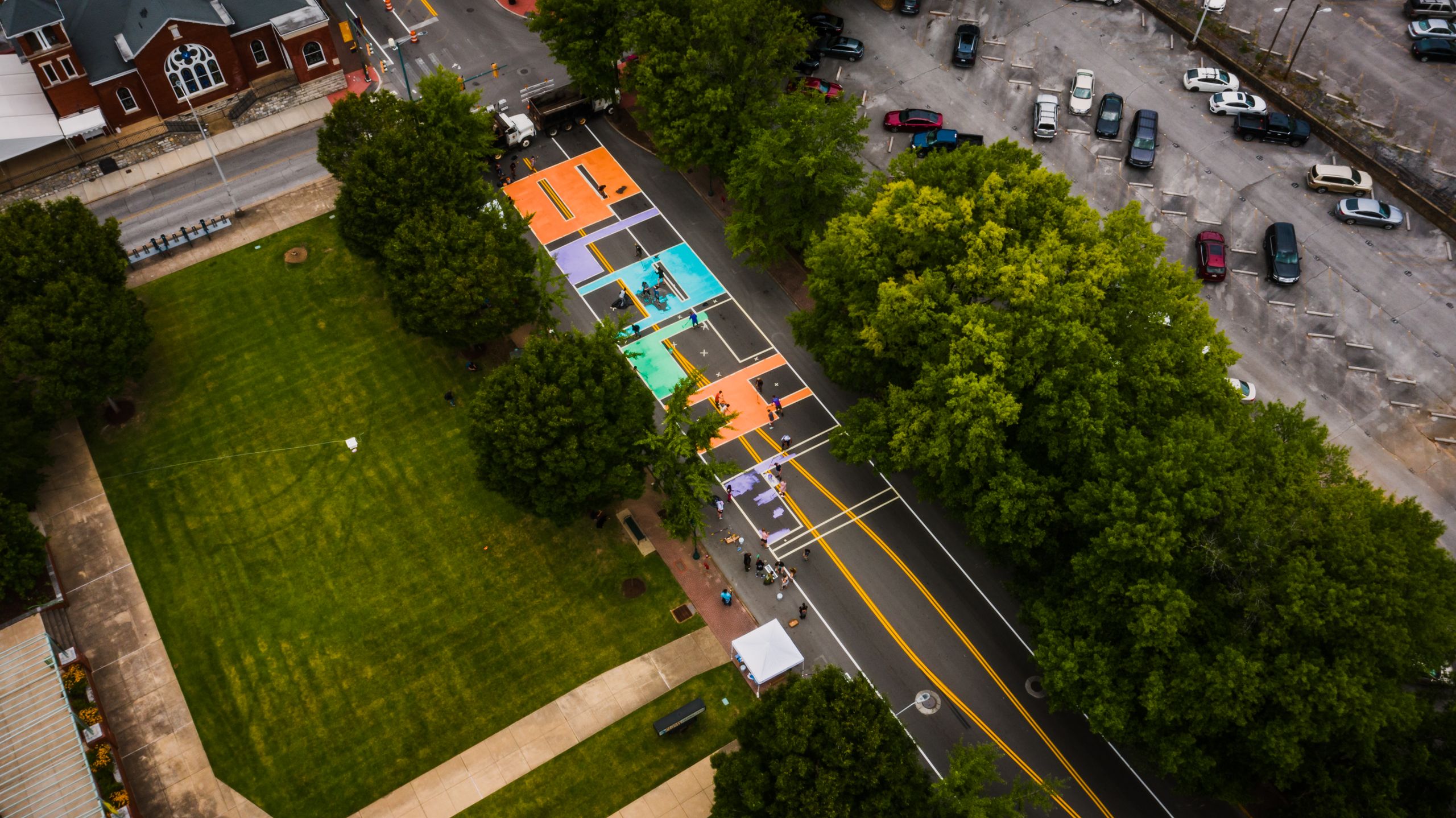
One of the clearest examples comes from Project for Public Spaces, a national nonprofit that has spent years helping communities turn underused public areas into vibrant gathering spots. In February 2026, the organization announced its latest round of Community Placemaking Grants, awarding $100,000 each, along with planning and design support, to three very different American communities. The Downtown Detroit Partnership received funding to redesign the streets surrounding Campus Martius Park. This 1.8-acre public park hosted more than 1,200 events in a single year, according to the organization’s own figures. The City of Traverse City, Michigan, received a grant for its East Side Social District, a stretch of street that has already become an informal neighborhood hangout built around outdoor seating and local food. Southbank Partners in Newport, Kentucky, received support for Saratoga Plaza, a public gathering space across the river from Cincinnati.
David Cowan, Chief Public Spaces Officer for the Downtown Detroit Partnership, described Campus Martius Park as a critical civic anchor for the city, already supporting a wide range of cultural programming and everyday public life. The grant, he explained, will allow the surrounding streets to be reimagined so that people, not just cars, are prioritized in the space around them.
Elena Madison, Director of Projects at Project for Public Spaces, framed the broader goal behind the funding in similarly direct terms. She said the organization looks forward to reimagining these places together as safer, more vibrant public destinations for everyone, working alongside local partners and General Motors, which sponsors the grant program. Since the initiative launched in 2021, it has supported twenty-two nonprofits and local government agencies across the United States, each one working to turn an ordinary public space into somewhere residents choose to spend time.
In Traverse City, Mayor Amy Shamroe put the achievement in more personal terms, calling the grant a testament to the power of a grassroots effort to create a gathering space for locals, by locals. That phrase captures something important about this movement. These are not top-down redesigns imposed from outside. They are community-driven projects, shaped by the people who will actually use the finished space.
Related:5 High-Paying Jobs People Are Avoiding
Downtowns Are Rebuilding Around Foot Traffic Instead of Just Traffic
While parks and streets are being reimagined block by block, a parallel movement is reshaping entire downtowns through Main Street America. This national network now includes more than 1,200 designated Main Street communities nationwide. Each year, the organization recognizes towns and cities that meet its highest standard for downtown revitalization, and in 2026 that list grew to 838 communities nationwide, each one working to rebuild its commercial district as a place people gather, shop, and connect rather than drive through.
Erin Barnes, President and CEO of Main Street America, has described the mission in terms that go beyond economics alone. Speaking ahead of the organization’s 2026 national conference, she pointed to local leaders as agents of meaningful connection and resilient renewal, working district by district to strengthen the social and economic fabric of their towns.
That framing shows clearly at the local level too. In Idaho, where Coeur d’Alene and Driggs both earned the program’s top accreditation this year, Idaho Main Street Coordinator Jenny Hemly said these programs are not only preserving the unique character of their downtowns, but actively building vibrant, resilient places where businesses can thrive, and people want to gather. Her comment reflects a theme running through nearly every Main Street success story: a healthy downtown depends as much on whether people want to linger as on which stores line up the block.
Related: The U.S. Presidential Candidate Who Took Erectile Dysfunction Out of the Shadows
Why This Shift Is Happening in Communities Nationwide
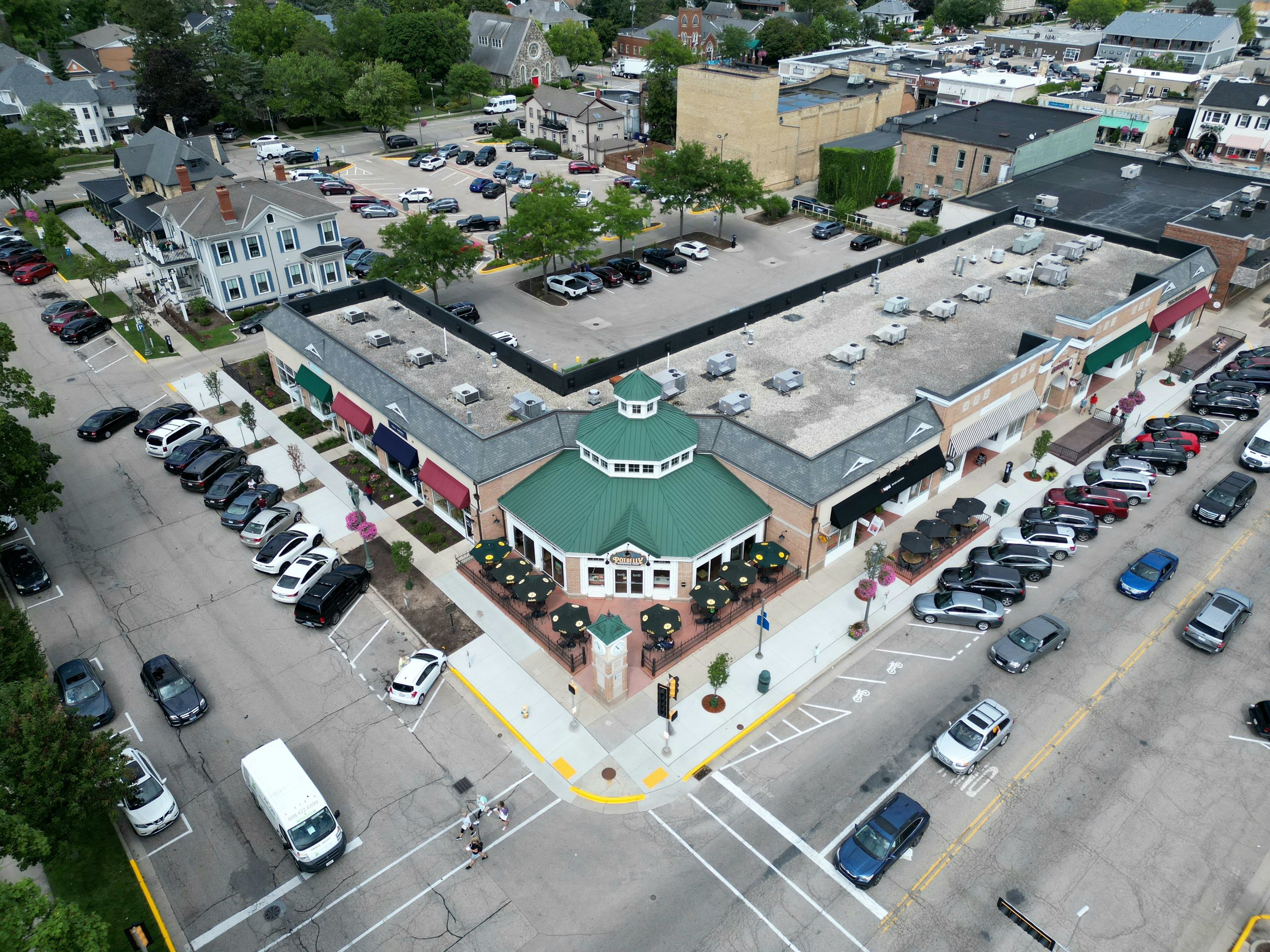
None of this is happening in a vacuum. Planning and design firms tracking broader community trends heading into 2026 have pointed to a growing emphasis on what some now call place keeping rather than placemaking. This approach prioritizes preserving what already makes a place meaningful to the people who live there, rather than imposing an entirely new identity. Pedestrian-friendly streets, human-scaled public spaces, and genuine community input have become central priorities in how planners approach these projects, rather than afterthoughts added once construction is finished.
Taken together, these efforts point to a consistent pattern showing up in cities and small towns alike. Communities are not waiting for a single large developer or government agency to hand them in a finished public space. They are applying for grants, organizing around existing gathering spots, and pushing to redesign the streets and plazas they already have, so those spaces work better for the people using them. Whether it is a park in downtown Detroit, a social district in northern Michigan, or a Main Street corridor in Idaho, the underlying goal is largely the same: transforming ordinary public space into somewhere people genuinely choose to be.
Other post you might like:
- America’s Good Jobs Are No Longer Enough: Why Millions Feel Financially Trapped.
- 10 Higher-Paying Jobs Workers Are Quitting Despite Strong Demand.
- The 8 Most Dangerous Jobs That Pay Well .


