


This posts The Small Businesses Turning Local Markets into More Than Just Shopping Trips first appeared on Crafting Your Home.
A trip to the farmers market or the neighborhood shop used to be a simple errand: buy what you need, head home. Increasingly, that same trip has become something people build their week around, not because the shopping list changed, but because the businesses themselves have started functioning as something closer to a gathering place.
Sociologists have a specific term for what these businesses are becoming, and a growing body of research explains exactly why it matters.
The Concept Behind This Shift Has a Name
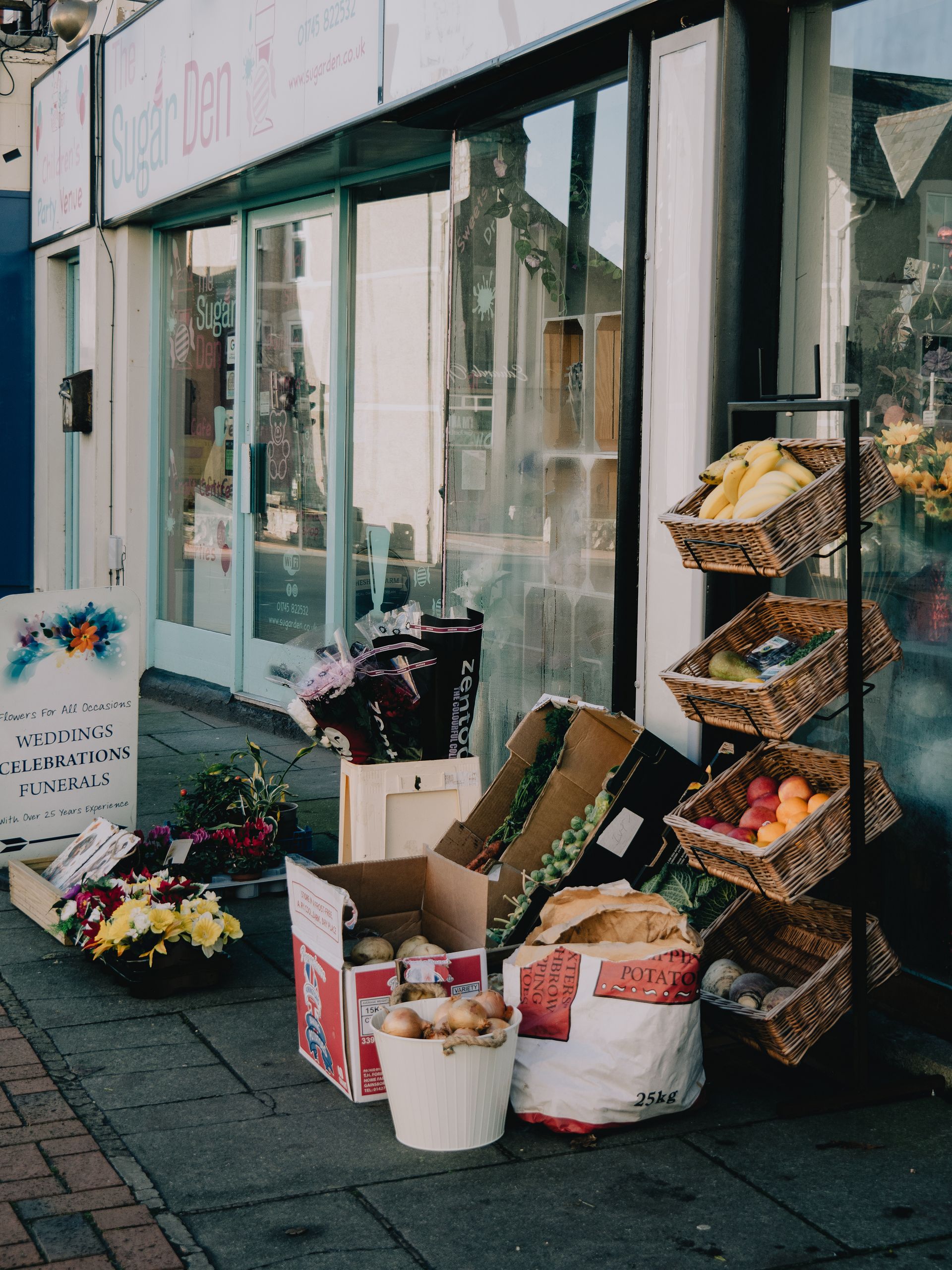
Sociologist Ray Oldenburg coined the term “third place” to describe spaces that exist outside the two locations that typically structure daily life, home and work. According to research building on Oldenburg’s original framework, third places serve as neutral ground for social connection, complementing home and work environments rather than competing with either one.
New York University sociologist Eric Klinenberg expanded this idea in his research on what he calls social infrastructure: the physical spaces and institutions that shape whether people interact with their neighbors at all. According to a review of Klinenberg’s work published in an academic health journal, diminished social infrastructure has been linked to a range of societal problems, including isolation, addiction, and social polarization, which frames these small, ordinary local businesses as carrying more civic weight than they typically get credit for.
This Effect Is Especially Strong in Small Towns
While third places matter everywhere, research suggests they carry outsized importance in rural and small-town settings, where formal gathering spaces tend to be scarcer to begin with. A study by researchers at Pennsylvania State University, focused specifically on mental health and third-place use among rural working-age adults, examined this dynamic in small communities across the country.
According to reporting on that research from South Dakota State University Extension, local diners, farmers markets, and other informal gathering spots serve as essential venues where rural residents can connect, offer each other support, and build lasting relationships, reducing the isolation that’s more common in areas where homes are spread further apart and public gathering spaces are limited.
Related:5 High-Paying Jobs People Are Avoiding
These Businesses Also Boost Local Economies, Not Just Local Moods
The benefit isn’t purely social. According to research summarized in the same reporting, small businesses that function as community gathering spots, cafes and bookstores among them, tend to develop a base of regular, returning customers, which in turn supports more consistent staffing and employment. Farmers’ markets follow a similar pattern more literally, serving as both a place to sell fresh, local produce and a direct point of economic and social contact between farmers and the customers who buy from them.
Evidence also suggests this effect can spread beyond a single business. According to a study summarized by the National Bureau of Economic Research, introducing cafes into neighborhoods that previously had none was associated with increased local entrepreneurship in the surrounding area, suggesting that one successful gathering spot can help draw additional small businesses into a neighborhood over time.
Business Owners Are Building This in on Purpose
This shift isn’t purely accidental. According to a feature published by payments company Square profiling small business owners across the country, entrepreneurs are increasingly designing their restaurants, bookstores, and shops to function as inclusive community hubs, rather than treating the social atmosphere as a byproduct of good customer service.
One business highlighted in that feature, Rustler Hat Co., framed the responsibility in generational terms, describing their goal as carrying on a business built on humble beginnings for the sake of the community, their employees, and the families who return each season to build their own traditions around the shop. That kind of language, businesses talking about themselves in terms of tradition and belonging rather than transactions- reflects exactly the shift researchers have been documenting at a larger scale.
Related: The U.S. Presidential Candidate Who Took Erectile Dysfunction Out of the Shadows
Design Choices Matter More Than People Realize
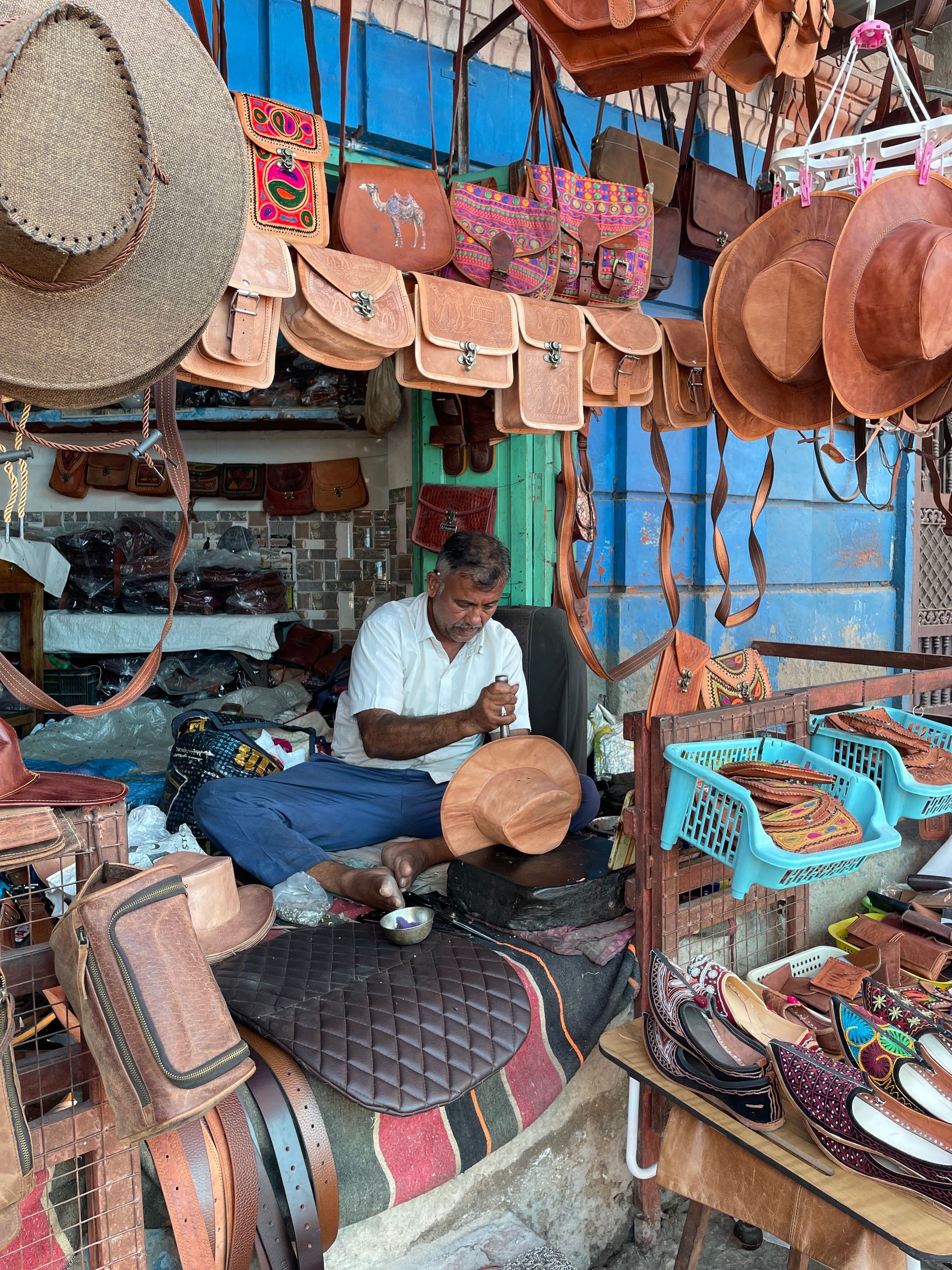
According to urban planning research on social hubs, the physical details of a space play a real role in whether it functions as a gathering place or simply a place to make a quick purchase. Comfortable seating, accessible pathways, and amenities that encourage people to linger, rather than move through as quickly as possible, all contribute to whether a local market or shop becomes somewhere people want to spend time, not just somewhere they need to stop.
That distinction helps explain why some local markets have become genuine weekly rituals for entire neighborhoods, while others, even with similar products, remain purely transactional. The difference often comes down to whether the space was designed, intentionally or not, to invite people to stay.
What This Adds Up To
None of this means every corner shop or farmers market stall is quietly reshaping its neighborhood’s social fabric. But according to the research building on Oldenburg’s and Klinenberg’s work, the small businesses that do lean into this role- the ones where regulars know each other by name and the visit itself becomes part of the appeal- are doing something measurably more valuable than simply selling goods.
In an era where researchers increasingly point to a shrinking supply of informal gathering spaces, particularly outside major cities, a local market that doubles as a genuine community hub isn’t just good for business. According to the research, it may be quietly filling in for exactly the kind of social infrastructure many communities have been losing.
Other post you might like:
- America’s Good Jobs Are No Longer Enough: Why Millions Feel Financially Trapped.
- 10 Higher-Paying Jobs Workers Are Quitting Despite Strong Demand.
- The 8 Most Dangerous Jobs That Pay Well .


