

The post 8 Things That Are Quietly Disappearing From Modern Homes first appeared on Crafting Your Home.
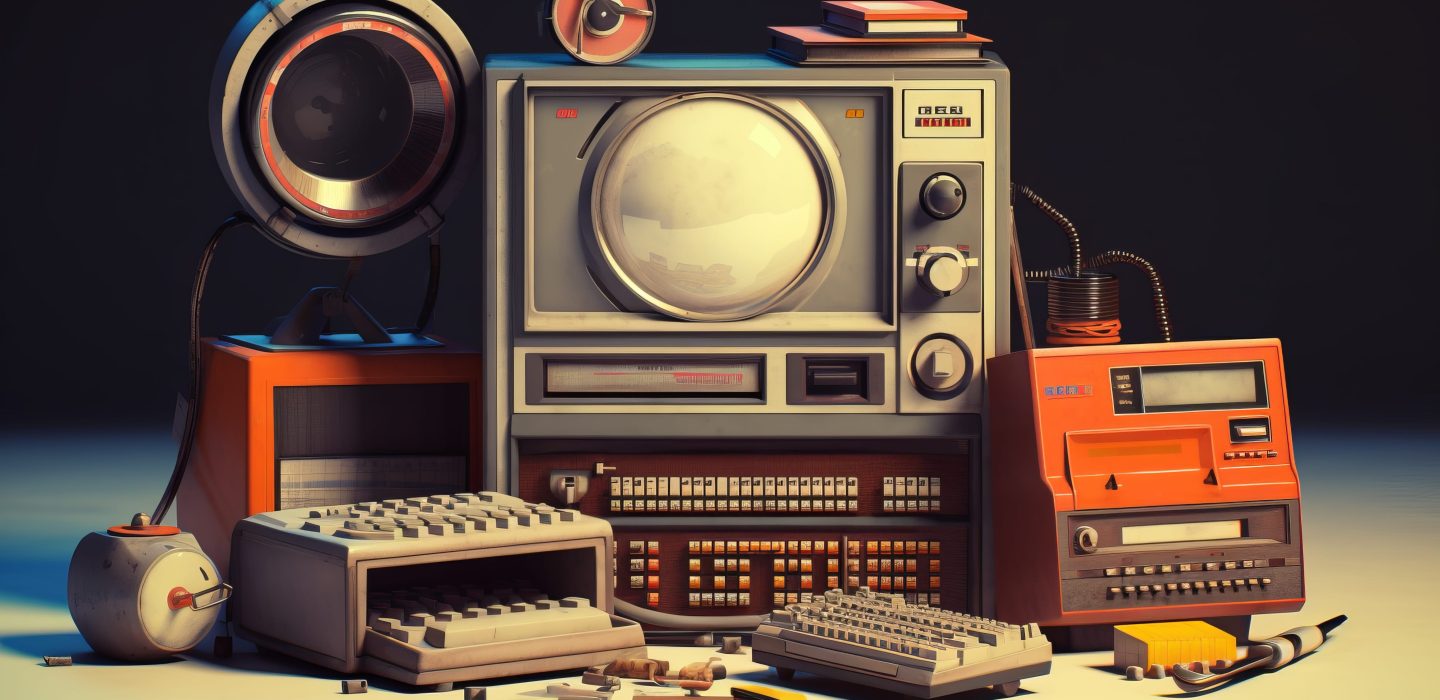
Walk into a home today, and you may notice something missing: the objects that once seemed completely ordinary. The phone mounted on the kitchen wall, the box-shaped television in the corner, the shelf full of movie discs, and the family computer everyone shared are becoming less common as technology and lifestyles change.
These items haven’t vanished completely, but many have shifted from everyday essentials to niche, nostalgic, or specialty items.
Landline telephones

The traditional home phone was once a household staple, but mobile phones have replaced it as the main way many people communicate. In the second half of 2024, 78.7% of U.S. adults lived in wireless-only households, while only 0.9% lived in homes that relied on a landline alone.
The familiar kitchen phone, tangled cord, and answering machine setup are no longer a standard feature in many homes. Landlines still exist, but they have shifted from an everyday necessity to something some households keep for specific needs.
DVD and Blu-ray players
There was a time when nearly every living room had a DVD player and a collection of movie cases nearby. Streaming services changed that routine by making movies and shows available without shelves of discs or a dedicated player.
DVD players have not completely disappeared—many families, collectors, and libraries still use physical media—but the device is no longer the automatic entertainment center it once was. Digital libraries have increasingly replaced movie shelves.
Related: 8 common home appliances that might disappear due to new rules
Printed daily newspapers on the kitchen table
The image of someone reading the morning paper over breakfast has become less common as news moves to websites, apps, newsletters, and social media. U.S. print newspaper circulation has declined significantly, with recent reporting on Northwestern University’s State of Local News data showing a drop of about 70% between 2005 and 2025.
Newspapers are still delivered to many homes, but for many households, the daily news routine now begins with a phone notification instead of a paper at the door.
Incandescent light bulbs
The familiar warm glow of traditional incandescent bulbs is becoming harder to find in everyday household lighting. U.S. efficiency standards introduced rules that prevent the sale of general-service lamps that do not meet a required efficiency level, accelerating the move toward LED lighting.
This does not mean every incandescent bulb has disappeared, but the standard household choice has shifted. For many homes, LEDs have become the default option for everyday lighting.
Related: 6 Vintage Items You Need to Ditch Right Now for a Modern Home
Bulky CRT televisions and computer monitors
Slim flat-panel screens have largely replaced the large, deep-backed television that once dominated living rooms. According to the EPA, demand for CRT technology collapsed as newer display technologies became more common.
Some tube TVs still have fans among retro-gaming enthusiasts and collectors, but the days of moving a heavy television with a large back section into the family room are mostly part of the past.
Standalone digital cameras
For many people, the smartphone has taken over the everyday job of taking photos. Quick snapshots, family pictures, and social sharing can now happen instantly from a device already in someone’s pocket.
Dedicated cameras haven’t disappeared—many photographers and hobbyists still use DSLRs, mirrorless cameras, and other types—but the small point-and-shoot camera that once sat in a drawer for vacations and birthdays is much less common.
The shared family desktop computer
The idea of one computer sitting in a home office or corner of a room for everyone to use has changed. Modern households often spread technology across multiple devices, including phones, laptops, tablets, and other connected equipment.
Computers themselves are not disappearing. Instead, the old “family PC” has been replaced by a more flexible setup where everyone may have their own device.
Standalone answering machines
The blinking red light on an answering machine was once a familiar sight in many homes. But as landlines declined and mobile voicemail became common, the separate machine designed to record household messages became much less necessary.
Voicemail is still around—it now usually lives inside a phone rather than on a small plastic box beside it.
Homes are always changing with technology, habits, and new ideas about convenience. These items may not be completely gone, but they have moved from everyday household basics to reminders of how quickly the way we live can change.
Other posts you might like
- 7 Home Upgrades That Look Expensive but Won’t Drain Your Wallet
-
7 Household Items to Replace Regularly for a Cleaner, Safer Home
-
The “Perfect” Home Is Officially Over, Designers Say This Is the New Look Everyone Wants Instead
If you like what you just read, then subscribe to our newsletter and follow us on social media.


