For renters and homeowners working with limited outdoor space, finding ways to grow more while using less room has become an important part of planning a practical vegetable garden. Simple approaches such as growing upward, planting more efficiently, and reducing waste can help gardeners use what they already have better.
These space-saving ideas offer a way to rethink small growing areas. Whether a garden is limited by a small yard, a compact outdoor area, or a need to use containers carefully, the focus is on making every part of the space count.
The goal is not simply to add more plants. It is to organize the garden in ways that use available space more effectively.
Grow climbers upward, not outward.
Image credit:Eli Pluma/pexels
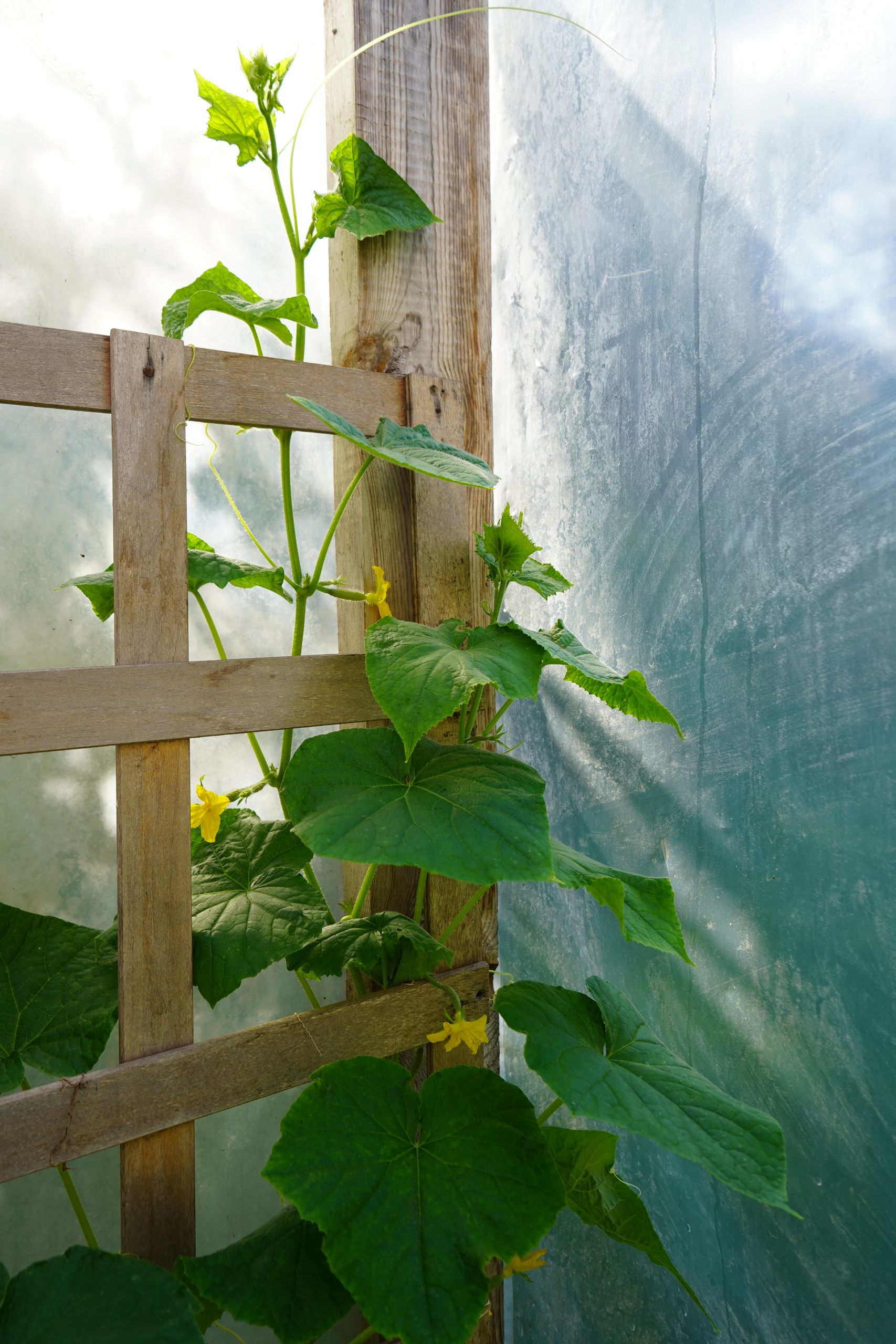
One of the easiest ways to create more room in a small garden is to look up.
Vertical gardening uses structures that let vine-type vegetables grow upward rather than spread across the ground. The University of Wisconsin Extension explains that trellising, staking, and caging support vine-type vegetables. hort.extension.wisc.edu
Instead of allowing climbing plants to take over valuable ground space, gardeners can use vertical methods to organize growth and make room for other plants.
For smaller gardens, using height in the design can turn unused space into a productive growing area.
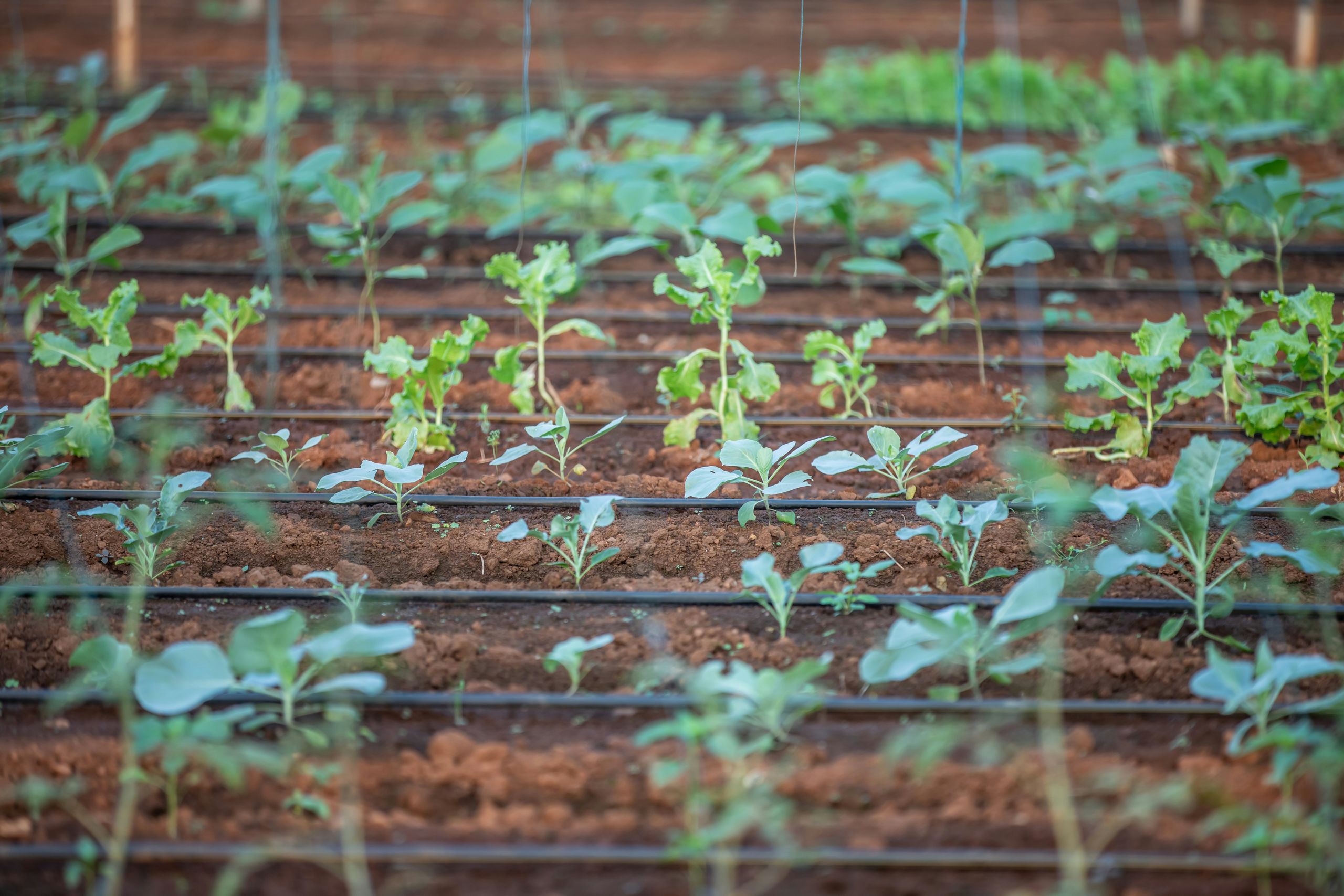
Replace wide rows with intensive grid planting.
Traditional rows are not the only way to arrange vegetables.
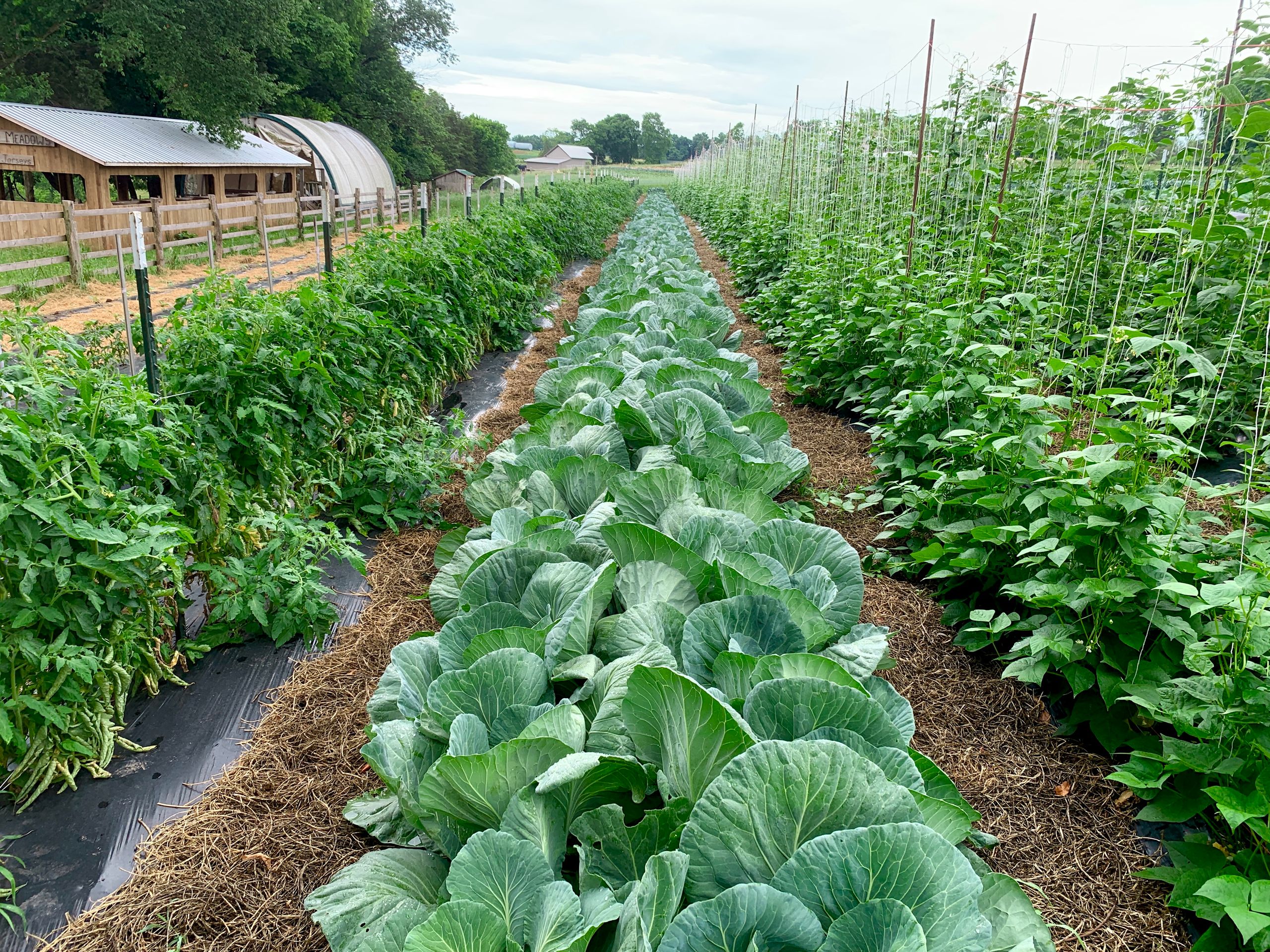
The Virginia Cooperative Extension discusses intensive gardening methods that use garden space efficiently. These approaches include planning plant placement carefully rather than relying only on traditional row arrangements. (pubs.ext.vt.edu)
For a small garden, a more organized layout can help gardeners use each section better.
Grid-style planting lets you focus on spacing and placement, helping you avoid unnecessary gaps between plants.
Pair slow crops with fast crops.
Image credit: Jonathan David/pexels
A garden does not have to be planted with every crop following the same schedule.
Combining crops that grow at different speeds can help gardeners use the same space more effectively. The Virginia Cooperative Extension describes intensive gardening practices that include careful planning of plant arrangements and timing. (pubs.ext.vt.edu)
By thinking about how plants share space over time, gardeners can create a layout that changes as the season moves forward.
This approach can be especially useful when every planting area matters.
Succession-plant instead of planting everything at once
Planting doesn’t have to happen all in one day.
Succession planting involves planning multiple plantings rather than placing all crops into the garden at the same time. The Virginia Cooperative Extension includes succession planting among intensive gardening methods for using garden space efficiently. pubs.ext.vt.edu
For gardeners with limited room, spreading out planting can help keep the garden active and organized.
Instead of leaving empty areas after one crop finishes, succession planting helps gardeners plan for what comes next.
Choose high-yield crops over space-hungry ones.
Image credit:Lindsay Neuenschwander/pexels
Every plant takes up room, so what you choose to grow matters.
The Virginia Cooperative Extension’s discussion of intensive gardening focuses on using limited garden space efficiently, including selecting plants and arrangements that fit the available area. pubs.ext.vt.edu
For small gardens, focusing on crops that use available space efficiently can be part of a thoughtful plan.
A smaller growing area requires choices about which plants belong in the garden and how much room each one receives.
Cut waste with mulch, homemade compost, and multipurpose containers.
Saving space is only part of creating an efficient garden.
Reducing waste can also be part of a small-garden strategy. This approach includes mulch, homemade compost, and multipurpose containers.
Containers can also give gardeners flexibility when they need to work in limited areas.
Making small gardens work harder
Image credit:Anil Sharma/pexels
A small vegetable garden does not have to be limited by its size. Careful planning can help renters and homeowners make the most of their space.
Growing vertically, arranging plants efficiently, planning planting times, and choosing practical materials are all ways to approach gardening with space and cost in mind.