

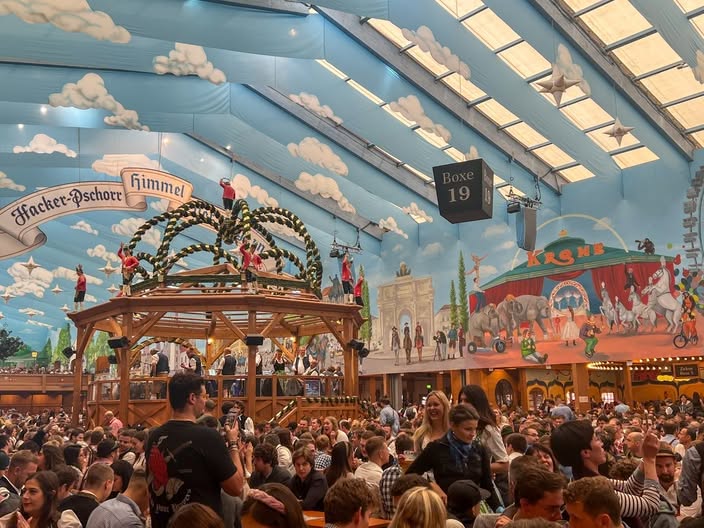
The post Oktoberfest Is Officially Back: Munich Welcomes Millions for 16 Days of Food, Music and Beer first appeared on Crafting Your Home.
Munich’s Oktoberfest has officially returned, opening its 191st edition with the traditional keg-tapping ceremony that marks the start of 16 days of Bavarian celebration.
On Saturday, September 19, 2026, Munich Mayor Dominik Krause tapped the first keg at the Schottenhamel Festhalle, needing two strikes before declaring the famous words “O’zapft is!” The first one-liter Maß of beer was then presented to Bavarian Minister-President Markus Söder, continuing one of the festival’s best-known opening traditions.
The festival runs through October 4 at Munich’s Theresienwiese, bringing together traditional food, live music, fairground attractions and beer tents that welcome visitors from around the world. Twelve ceremonial salutes fired at the Bavaria statue signaled that beer service could begin across the festival grounds after the official opening ceremony.
A traditional opening with a new mayor at the center
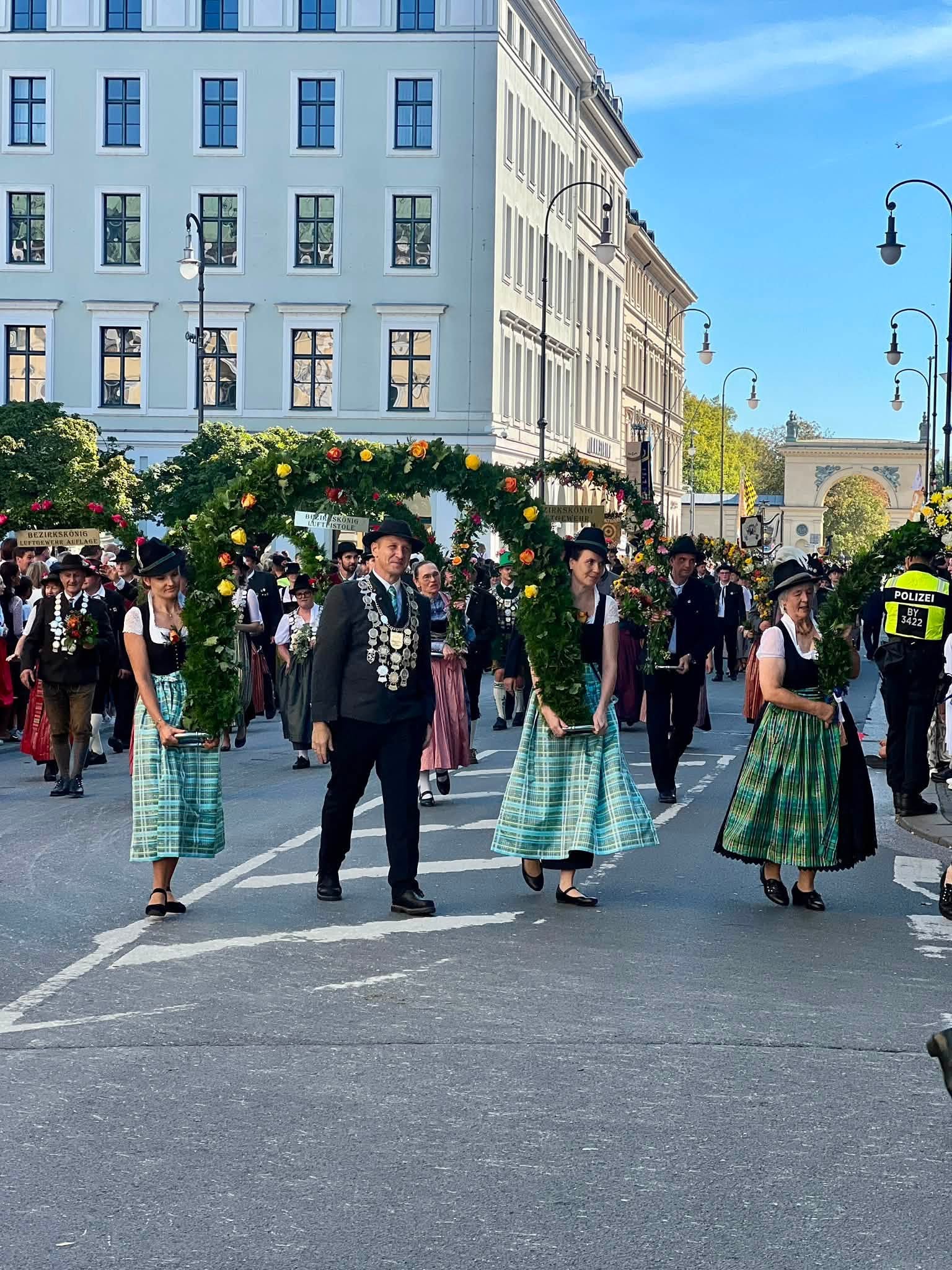
The 2026 opening ceremony followed a familiar Oktoberfest script, but with a new face carrying out its most recognizable ritual. Dominik Krause performed the official keg tapping for the first time as Munich’s mayor, becoming the person responsible for the traditional “O’zapft is!” declaration.
The opening day also featured the traditional procession of Oktoberfest landlords and breweries, with decorated brewery wagons making their way toward the Theresienwiese. Thousands of visitors streamed onto the grounds, with some arriving early or waiting overnight in hopes of securing seats in popular tents.
Although Oktoberfest is internationally associated with beer, the festival’s opening day begins with ceremony, music and pageantry before the celebration moves into its busiest rhythm of tent gatherings, meals and entertainment.
Related: The Best 8 Countries for Nightlife Where the Party Never Ends
Sixteen days of beer, food and Bavarian tradition
Oktoberfest 2026 takes place from September 19 to October 4, making it a 16-day event. The main festival grounds and standard beer tents are free to enter, while the historic Oide Wiesn area has a separate admission charge.
Visitors can expect classic Bavarian dishes throughout the festival, including pretzels, sausages, roast chicken and pork specialties, alongside music and entertainment in the tents and around the fairgrounds.
Beer remains central to the Oktoberfest experience, with only beer brewed within Munich’s city limits and meeting Bavarian brewing standards permitted as official Oktoberfest beer. The traditional participating breweries include Augustiner-Bräu, Hacker-Pschorr, Hofbräu München, Löwenbräu, Paulaner and Spatenbräu.
For visitors planning their spending, beer prices are higher than in previous years. A one-liter Maß costs between €14.80 and €15.90 depending on the tent, with current reporting placing the average price at €15.61.
Reservations aren’t required to enter the festival grounds or standard tents, but seating can be limited during busy periods. Tables are reserved directly through individual tents rather than through a single festival-wide reservation system.
New attractions arrive at the 2026 Wiesn
While Oktoberfest keeps many of its traditions intact, the 2026 edition also introduces new entertainment options.
Three attractions are making their official Oktoberfest debut this year: Shake & Roll, described as an evolution of the classic Break Dance ride; Fisherman’s, a new three-floor attraction with a water-adventure theme; and Chaos Pendel, another new ride joining the fairground lineup.
The festival also includes a change at Volkssängerzelt Schützenlisl, where Michael Bietsch joins Florian Fendt and Manfred Kneifel in a new trio of hosts.
For families, Tuesdays remain an important day, with reduced prices at many rides and stalls until 7 p.m. Oide Wiesn also offers a more traditional festival atmosphere, featuring historic elements and classic attractions.
Visitor numbers and global attention
Organizers and current reporting expect around 6 million visitors during the 16-day festival, although that figure is a projection rather than a confirmed final attendance number. Last year, Munich estimated that approximately 6.5 million people attended Oktoberfest 2025.
The opening weekend crowd does not reflect the festival’s total attendance. Instead, visitor numbers build throughout the two-week celebration, with guests arriving from Germany and abroad to experience the combination of beer halls, Bavarian cuisine, music and amusement rides.
Security and crowd management updated for 2026
Munich has introduced additional crowd-management measures for this year’s festival. Visitors pass through entry checks, and large bags and backpacks above three liters are prohibited.
Small handbags are allowed within the stated size limits, while glass bottles, dangerous objects and drones are not permitted on the festival grounds.
Security planning includes a reported deployment of around 600 police officers, 56 police cameras and 26 AI-assisted cameras designed to help identify potentially dangerous crowd concentrations and support visitor-flow management.
Officials have also introduced a “crowdspotter” approach on busy days to monitor density and help manage movement through the grounds.
The updated approach follows a difficult moment at Oktoberfest 2025, when part of the festival grounds was temporarily affected by overcrowding during a reservation changeover.
Authorities later said communication around the incident had not been optimal, while the City reported no injuries from that specific crowding event.
Munich has emphasized that the new measures focus on managing visitor flows and preventing dangerous crowd situations rather than changing the character of the festival.
Related: How to Host a Casual Outdoor Dinner Party That Still Feels Elevated
A historic celebration adapting to modern demands
Oktoberfest began in 1810 as a celebration connected to the wedding of Bavarian Crown Prince Ludwig and Princess Therese of Saxe-Hildburghausen.
The festival’s location, Theresienwiese, takes its name from Princess Therese, and the modern event continues to combine Bavarian traditions with international tourism, entertainment and large-scale event planning.
In 2026, the familiar image of Oktoberfest remains: musicians filling beer tents, visitors raising Maß glasses, traditional clothing throughout the grounds and the sound of the mayor’s opening declaration.
But alongside those traditions are new attractions, updated visitor rules and expanded crowd-management systems designed for one of the world’s most recognizable festivals.
For the next 16 days, Munich’s Wiesn will once again become a meeting place for Bavarian culture, food, music and celebration, officially open after the first keg has been tapped.
Other Posts You Might Like
If you like what you just read, then subscribe to our newsletter and follow us on social media.


