



The post Truck Driver Sentenced to 150 Days After I-95 Crash Killed 5 in North Carolina first appeared on Crafting Your Home
Five people lost their lives on Interstate 95 in North Carolina after a chain-reaction crash involving a tractor-trailer. More than two years later, the driver responsible has received a sentence that has left families facing a difficult question: how can five deaths result in a maximum active jail term of 150 days?
The answer lies in the difference between the sentence imposed by the judge and the limits of North Carolina’s misdemeanor sentencing law.
Charles Christian Haskell, 53, of Las Vegas, pleaded guilty to five counts of misdemeanor death by motor vehicle after the July 24, 2024 crash near Kenly in Wilson County. According to reporting, Haskell was driving a tractor-trailer carrying orange juice at about 70 mph when he struck slow-moving traffic, triggering a crash that killed five people.
A Wilson County District Court judge sentenced Haskell to five consecutive 75-day terms, one for each person who died. On paper, that totaled 375 days. However, North Carolina law limits the total active jail time for the applicable misdemeanor level to 150 days, meaning Haskell’s actual maximum time behind bars is five months.
The case has drawn attention because of the contrast between the number of lives lost and the legal limit on punishment.
The sentence was not simply 30 days per victim
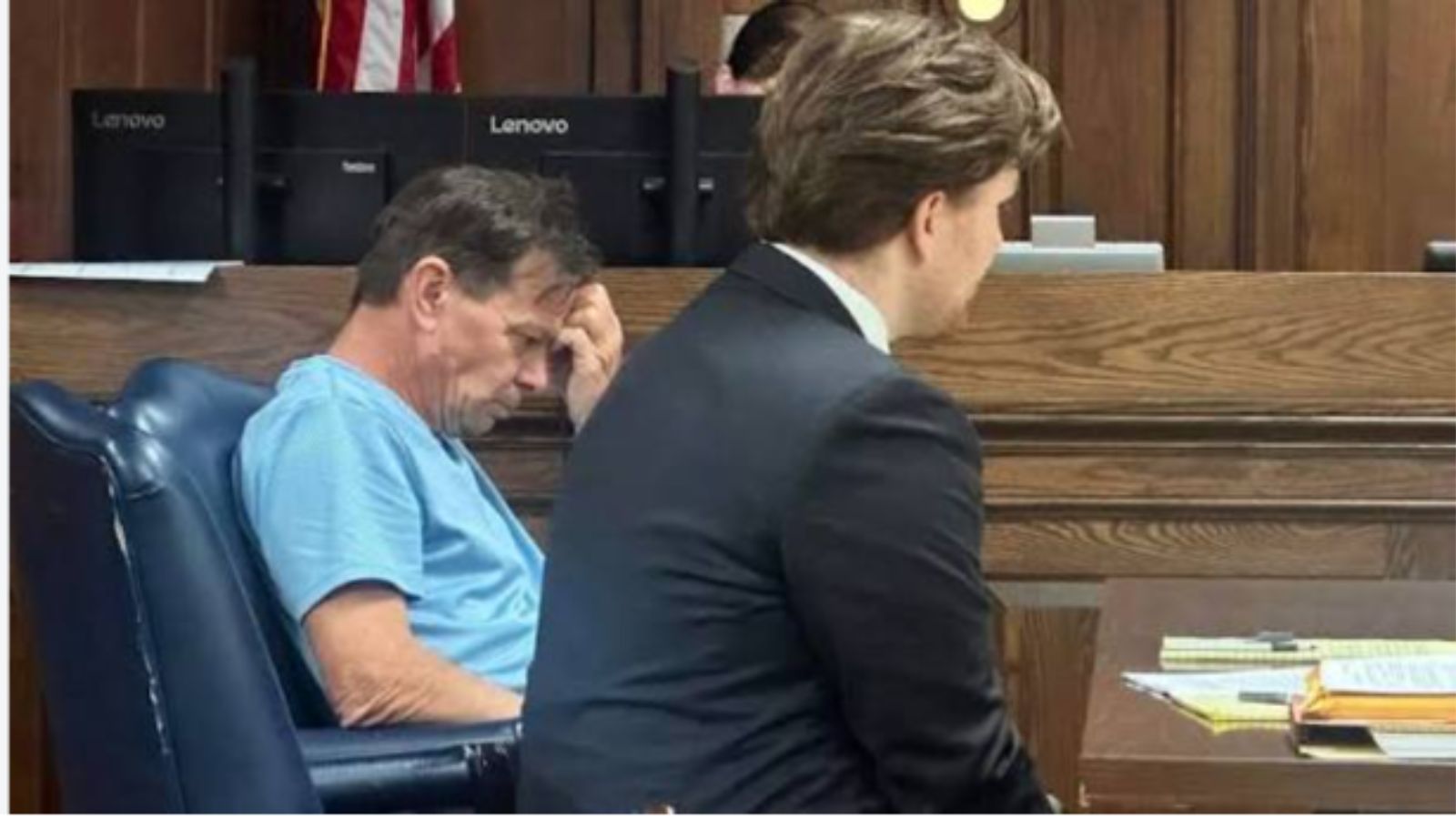
The public reaction to the case has focused on the fact that five people died while the driver’s maximum active jail time is capped at 150 days.
But the sentence structure is more complicated.
The judge did not assign 30 days for each death. The court imposed five separate 75-day sentences, one for each count. The reason the total does not reach 375 days is that state sentencing rules place a limit on the amount of active jail time available for these misdemeanor convictions.
That distinction matters because the outcome was shaped not only by the number of victims, but also by how the offense was classified under North Carolina law.
Why the case was charged as a misdemeanor
According to the reporting, there was no evidence that Haskell was impaired or that he intended to cause the crash. In North Carolina, fatal crashes caused by an ordinary traffic violation without impairment may be prosecuted as misdemeanor death by vehicle rather than felony death by vehicle.
The legal system does not determine punishment only by counting the number of deaths involved. It also considers factors such as the nature of the conduct, whether impairment was involved, and how the offense is classified under the law.
That distinction is at the center of the debate surrounding this case.
For families who lost loved ones, the outcome raises questions about whether existing sentencing rules fully reflect the impact of a crash involving multiple fatalities.
A crash that changed five families
The July 2024 collision happened on I-95 near Kenly after Haskell’s tractor-trailer struck slow-moving traffic.
The crash became a painful reminder of how one moment on a highway can affect many lives. Five people died, leaving families to deal with a loss that cannot be measured by a courtroom sentence alone.
One victim’s relative reportedly told the court that the family only learned the night before sentencing that Haskell’s maximum active jail time would be limited to 150 days.
The detail highlighted a broader frustration among families of crash victims: the difference between the scale of the loss and the punishment available under the law.
The larger question about sentencing
The case has renewed discussion about how the justice system handles fatal crashes that do not involve impairment or intentional harm.
Supporters of the current legal framework may point to the importance of distinguishing between different types of conduct, including cases involving impairment or intent and those involving traffic violations without those factors.
Others may question whether a sentencing cap should remain the same when a single incident results in multiple deaths.
The central issue is not whether the crash caused serious harm, five people died. The question is whether the legal categories and sentencing limits adequately account for the consequences when multiple lives are lost in one event.
What happens next
The case illustrates the difference between a court’s sentence and the limits written into state law.
Haskell received five 75-day sentences, but the applicable misdemeanor sentencing cap limits the active jail time to 150 days.
For families affected by the crash, the sentence marks the end of a legal process but not the end of their loss.
The case leaves behind a difficult question with no simple answer: when one traffic violation results in multiple deaths, how should the law balance accountability, intent, and the scale of the tragedy?


