
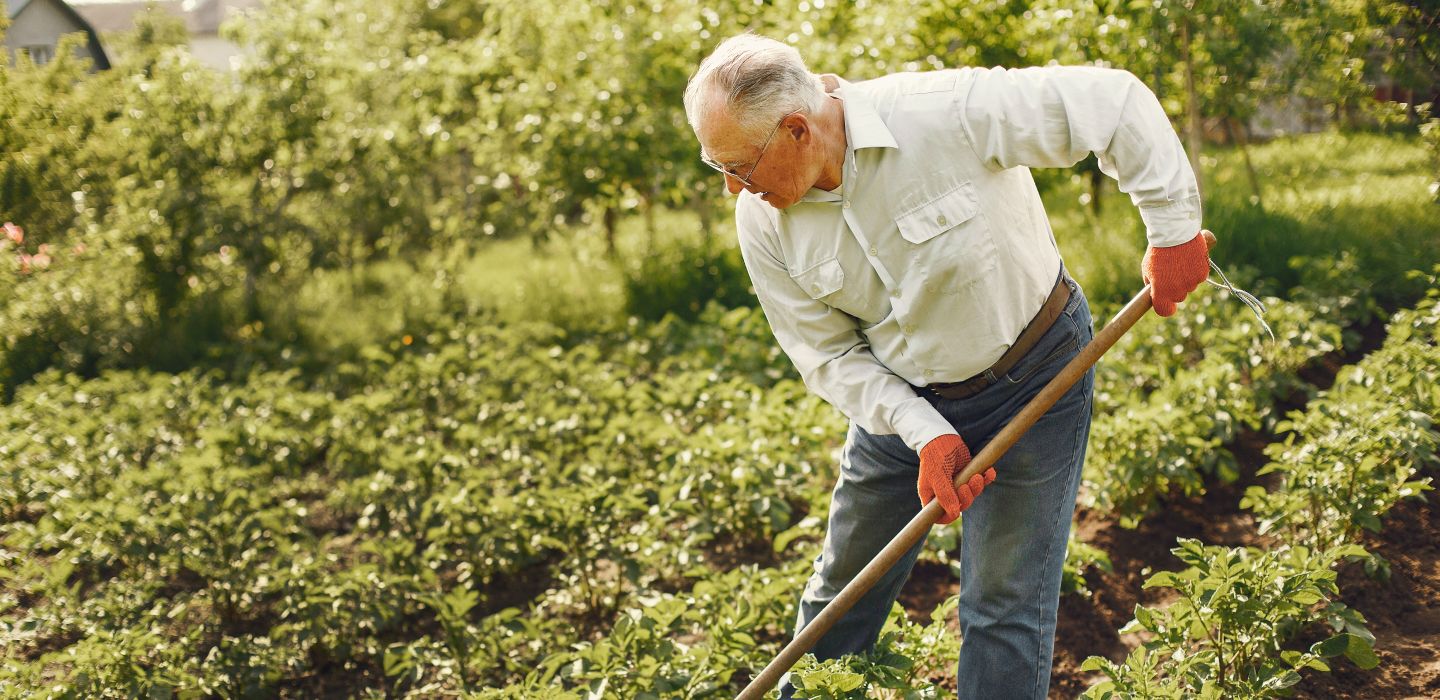

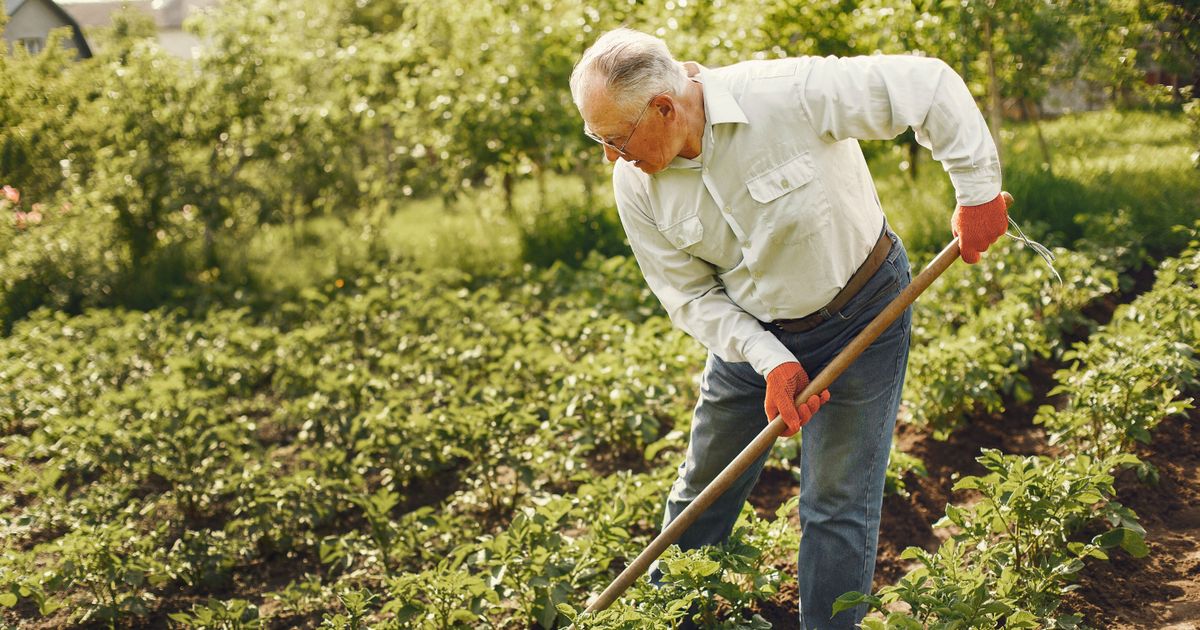
The post 5 September Garden Tasks That Can Make Your Yard Healthier Before Fall Sets In first appeared on Crafting Your Home.
September often feels like a wind-down month for many yards, but university extension experts say it’s actually one of the year’s most productive windows. A handful of specific tasks done now can noticeably improve how a lawn and garden come through winter and bounce back in spring.
Aerate a Compacted Lawn While Grass Is Still Actively Growing
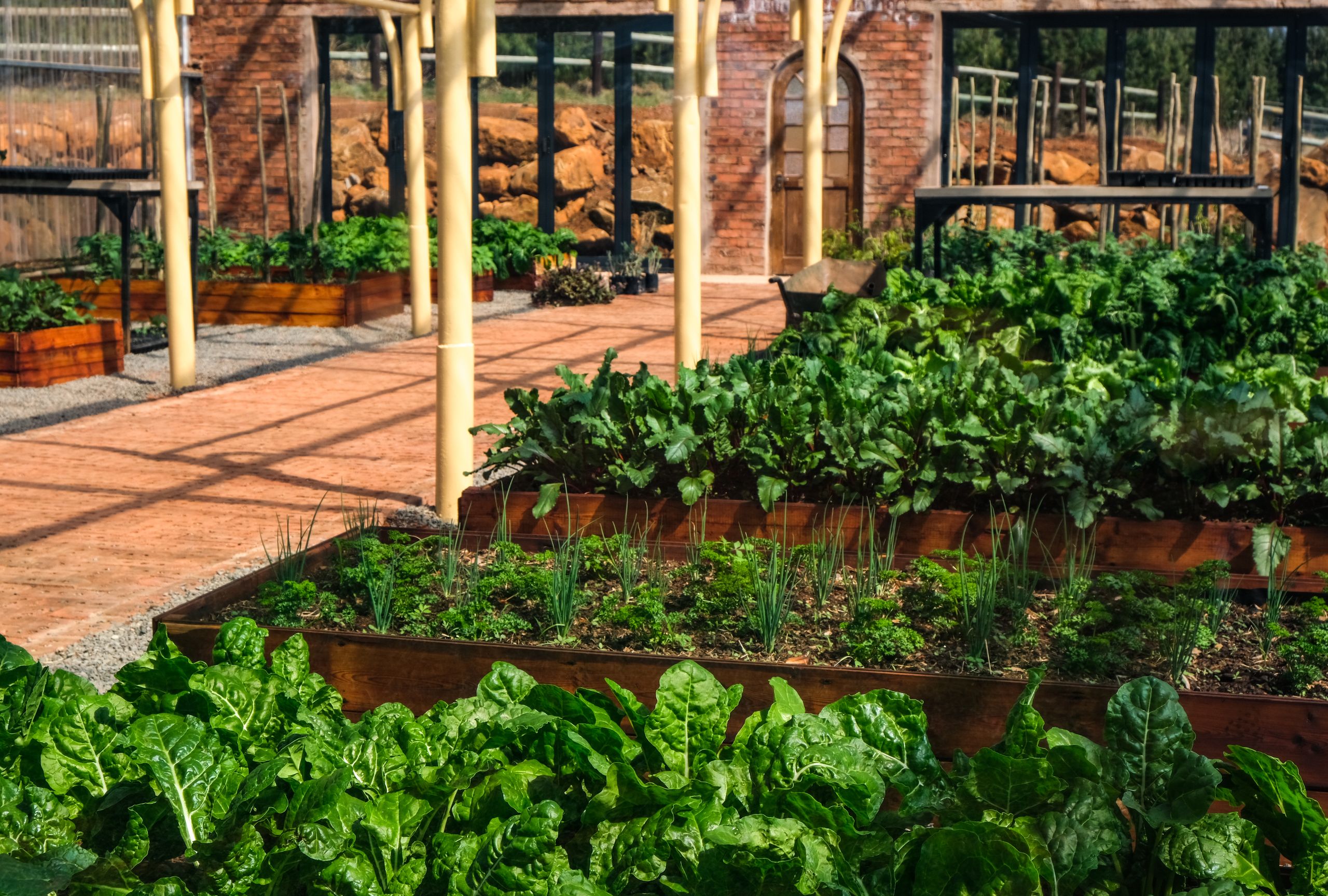
If a lawn has taken a beating from foot traffic, pets, or a summer full of backyard activity, September is widely considered the best window to address it. According to Grady L. Miller, PhD, an Extension Turfgrass Specialist at North Carolina State University, fall is the recommended time to aerate cool-season lawns specifically because it lines up with when those grasses are actively growing and best able to recover.
Miller explains that aeration holes function almost like a reservoir, allowing water and air to reach deeper into the root zone, an especially valuable benefit in yards dealing with compacted soil. According to Iowa State University Extension, early September is considered the best time to aerate lawns in much of the northern half of the country, since aeration relieves compaction, improves nutrient movement, and helps prevent thatch buildup before the growing season winds down.
Overseed Thin or Bare Patches Right After Aerating
Aeration and overseeding work best as a pair, according to multiple university extension programs. The University of Maryland Extension notes that aerating before overseeding improves seed-to-soil contact, which directly improves how well new grass seed germinates and takes root.
According to Missouri Extension, September is the most important month for lawn renovation work, including raking, dethatching, and overseeing thin spots before the season progresses further. Miller adds a useful sequencing tip: aerate before reseeding, not after, since aerating a lawn that has already been freshly seeded at risks tearing out the new, still-fragile grass.
Timing matters here too. According to Miller, new grass generally needs at least six weeks to establish before the first frost, which makes early to mid-September the safer end of the planting window in most regions rather than pushing it off until October.
Related: 9-kitchen-trends-making-homes-feel-more-personal-and-less-showroom-perfect
Get a Soil Test Before Adding Any Fertilizer
It is tempting to fertilize a tired-looking lawn on instinct, but extension experts consistently recommend testing the soil first. According to University of Maryland Extension guidance, a laboratory soil test is recommended before any lawn renovation project to confirm pH levels and existing nutrient levels before adding anything new.
Missouri Extension offers similar advice for anyone unsure of their yard baseline fertility, recommending a soil test rather than guessing what a lawn needs. Skipping this step can mean applying the wrong nutrients entirely, or applying fertilizer a lawn didn’t need in the first place, which wastes money without improving the yard’s health.
Fertilize Cool Season Lawns During Their Peak Growth Window
According to Missouri Extension, September is the single most important time of year to fertilize a cool-season lawn, with a recommended application of roughly one to one and a half pounds of nitrogen per 1,000 square feet. The reasoning ties back to how these grasses grow: cool season varieties like Kentucky bluegrass and tall fescue enter a strong active growth phase once summer heat breaks, according to the Farmers’ Almanac’s summary of University of Maryland Extension guidance, meaning fall fertilizer is used far more efficiently than fertilizer applied during the stress of summer heat.
This window does have a natural end point. According to Iowa State University Extension, most cool season lawns stop actively growing once daytime highs consistently drop below 50 degrees Fahrenheit, typically in late October or early November depending on the region, which is the general cutoff for major lawn care work each year.
Clear Out Old Vegetable Garden Debris to Prevent Disease
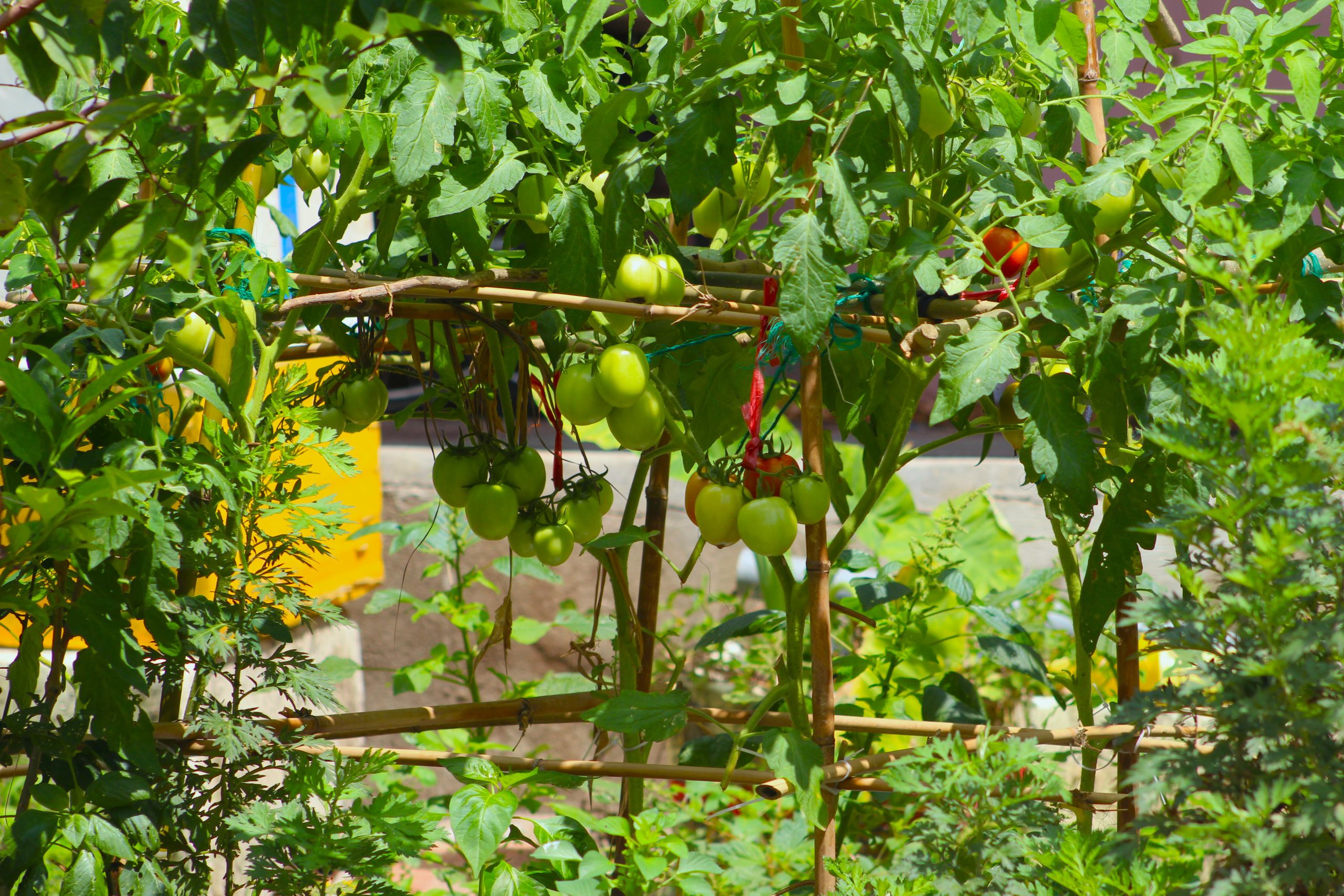
Lawn care is not the only priority this time of year. According to Anita Gall, a Nebraska Extension Master Gardener, cooler September weather also signals that it is time to clear out old vegetable garden material, since leaving spent plants in place through fall can allow viral, bacterial, and fungal diseases to build up in the soil.
This task is easy to overlook once a vegetable garden has stopped producing for the season. Still, extension guidance says removing old plant debris now reduces the disease pressure a garden carry into the following spring, giving next year’s plantings a cleaner start.
Related: does-a-pool-increase-a-homes-value
Why Doing This Now Actually Matters
None of these five tasks require major equipment or a big budget, and several, like a soil test, cost very little. What they require is timing. According to the extension experts behind this guidance, a lawn aerated, overseeded, and fertilized correctly in September tends to come through winter noticeably healthier and denser than one left alone until spring, when it is often too late to fix the same problems as easily.
Other posts you might like
- things-nobody-warns-you-about-before-buying-your-first-home
- six-things-homeowners-never-regret-buying
If you like what you just read, then subscribe to our newsletter and follow us on social media.


