



The post When Your Relationship Feels More Like a Routine Than a Romance, Here’s What to Actually Pay Attention To first appeared on Crafting Your Home.
Remember when just being near your partner used to feel like something? Now it feels like Tuesday.
If your relationship has started to feel less like a romance and more like a shared logistics operation- dishes, schedules, bills, sleep- you’re not imagining it, and you’re not alone. According to relationship researchers, there’s an actual, well-documented psychological process behind why this happens to nearly every long-term couple. The good news: understanding it is the first step to doing something about it.
Your Brain Is Designed to Make Love Feel Boring Eventually

Here’s the part nobody tells you at the start of a relationship: fading isn’t a sign something’s wrong with you or your partner. It’s a documented psychological process called hedonic adaptation, and research published in the Journal of Positive Psychology calls it one of the biggest threats to long-term relationship satisfaction.
The researchers behind that study describe hedonic adaptation as the mechanism by which people gradually get used to positive life changes, whether that’s a new job, a nicer house, or a new relationship, until the initial emotional boost fades back down to something closer to baseline. According to the paper, the beginning of a romantic relationship is typically marked by high levels of passion, joy, attraction, excitement, and novelty. Over time, without any active effort to counteract it, that intensity naturally settles into something far quieter and more routine.
Psychology Today describes the same phenomenon as the “hedonic treadmill.”According to that explanation, starting a new relationship brings a genuine burst of extra happiness, but that burst typically doesn’t permanently raise a person’s everyday happiness level. Instead, people adjust their expectations to the new status quo, and what was once thrilling becomes normal. It’s the same mechanism that makes a beautiful new house eventually feel like “home,” no more, no less exciting than any other room you walk through daily.
Sonja Lyubomirsky, a leading positive psychology researcher known for her work on hedonic adaptation, describes it as a psychological process in which people become accustomed to a stimulus, positive or negative, so its emotional effects gradually weaken over time. Applied to relationships, this explains something many couples quietly worry is unique to them: the fading isn’t personal. It’s closer to a biological default setting.
Related: The Mind-Body Connection: Why Mental Health Fuels Better Intimacy
The Signs This Is Happening in Your Own Relationship
So, what does hedonic adaptation actually look like once it’s taken hold? According to the researchers studying it, a few patterns tend to show up consistently.
The most obvious sign is simply noticing that things that used to spark real excitement now barely register. A thoughtful gesture that once felt meaningful gets a quick “thanks” instead of genuine appreciation. Time together that once felt scarce and valuable now blends into the background of an ordinary evening. According to the Hedonic Adaptation Prevention model outlined in research in the Journal of Positive Psychology, this flattening happens because couples stop introducing variety and novelty into the relationship, relying instead on the same routines, conversations, and weekend patterns on repeat.
A second sign researchers point to is rising expectations paired with declining appreciation, sometimes called “entitled aspirations.” Early in a relationship, small gestures feel like generous surprises. Over time, without conscious effort, those same gestures can start to feel like baseline obligations rather than something worth noticing. When a partner’s effort starts to feel expected rather than appreciated, that’s often hedonic adaptation quietly at work, not necessarily a sign the effort itself has decreased.
A third, more concerning pattern shows up in research on hedonic adaptation’s connection to infidelity. According to analysis of the theory, some people respond to the fading of novelty by increasing their aspirations for excitement elsewhere, seeking more intensity, more attention, or a fresh source of romantic stimulation outside the relationship, rather than addressing the flattening within it. That doesn’t mean every routine relationship is headed toward infidelity. It does mean that ignoring the pattern entirely, rather than actively working against it, carries real risk over time.
Related: 7 financial-problems-that-tear-older-couples-apart
What Actually Slows the Fade, according to the Research
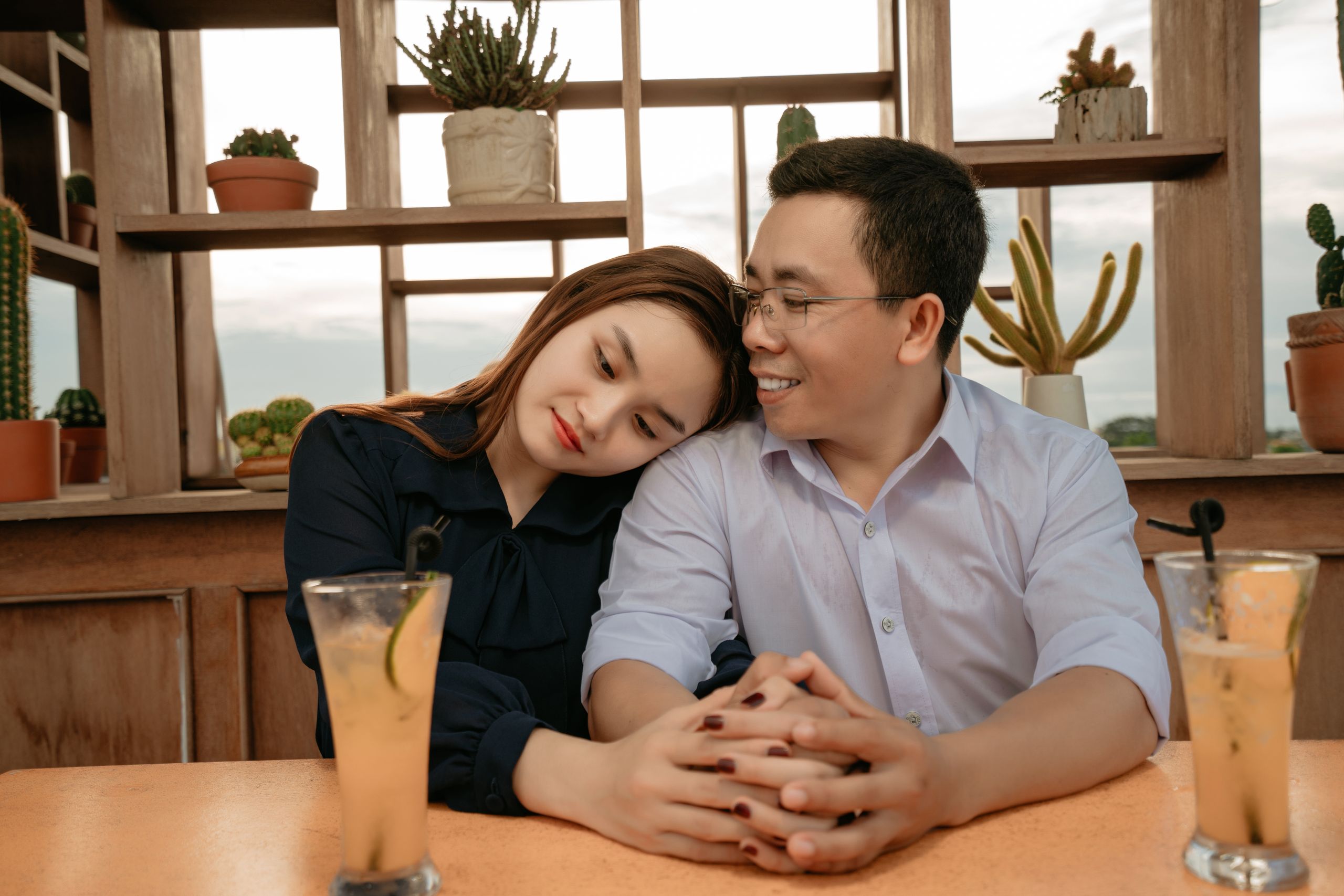
Here’s the genuinely useful part. According to the Hedonic Adaptation Prevention model, this process isn’t inevitable or permanent. The same research identifies specific, evidence-based ways couples can actively slow down.
The first level is variety. According to the researchers, deliberately introducing new, varied experiences into a relationship- different activities, new environments, unfamiliar situations shared- directly counteracts the brain’s tendency to normalize the familiar. This helps explain why couples who try new restaurants, take unfamiliar trips, or pick up a shared hobby often report feeling more connected than couples who’ve settled into an identical routine for years. Novelty essentially forces the brain to pay attention again.
The second lever is appreciation. The same research points to actively noticing and acknowledging positive moments as a direct countermeasure to hedonic adaptation. That’s not a vague call to “be more grateful.” It’s a specific behavioral practice: consciously registering the good things your partner does, out loud, rather than letting them blend into the unnoticed background of daily life.
The third lever involves managing expectations directly. According to the study, couples who consciously keep their expectations from creeping upward, resisting the pull to treat every kind gesture as the new baseline, tend to hold onto satisfaction longer than couples who unconsciously let their standards inflate over time.
Interestingly, the research also found that certain relationship types are naturally more resistant to this fading, long-distance relationships among them, largely because built-in separation and anticipation function as a kind of forced variety, preventing the constant, uninterrupted closeness that speeds up adaptation in the first place.
So, if your relationship has started to feel more like a well-run routine than a romance, that’s genuinely worth paying attention to, but it’s not a verdict on the relationship itself. According to the research, it’s simply your brain doing what brains do with anything familiar. The fix isn’t finding a new partner who’ll feel excited again by default. It’s deliberately building novelty, appreciation, and reasonable expectations back into the relationship you already have. The same three levers the research keeps pointing back to, again.
Other Posts You Might Like:
- 10 things-women-say-they-never-do-but-many-quietly-admit-they-do
- 7-traits-in-women-that-can-quietly-make-men-lose-interest
- 9 things-women-do-every-day-that-many-men-never-realize
If you like what you just read, then subscribe to our newsletter and follow us on social media.


