

This article was originally published on Crafting Your Home. A human contributor also wrote and edited the post.
Some of the best recipes don’t come from celebrity chefs or trendy cookbooks. They come from a grandmother’s kitchen, scribbled on a faded index card or remembered by watching her cook. These old-fashioned American recipes were built around simple ingredients, practical cooking, and the idea that a good meal should bring people together. They may not have fancy names, but they have something many modern recipes struggle to recreate: nostalgia.
For generations, grandmothers across America made meals that could feed a family without requiring an expensive shopping trip. A little flour, some butter, a few eggs, seasonal produce, and whatever happened to be in the pantry could become something worth gathering around the table for. Many of those recipes have been passed down through families, sometimes with measurements that sound more like suggestions than instructions. A “handful” of this, a “pinch” of that, and just enough time in the oven.
One recipe that perfectly captures that spirit is old-fashioned apple crisp. It is hard to imagine a more straightforward dessert. Toss fresh apples with sugar, cinnamon, a little flour, and lemon juice, then cover with a buttery mixture of oats, flour, brown sugar, and cinnamon. Bake until the apples bubble and the topping is golden and crisp. Serve it warm with vanilla ice cream, and you have the kind of dessert that can turn an ordinary family dinner into a memorable one.
But apple crisp is only the beginning.
The Meatloaf That Never Needed a Fancy Recipe
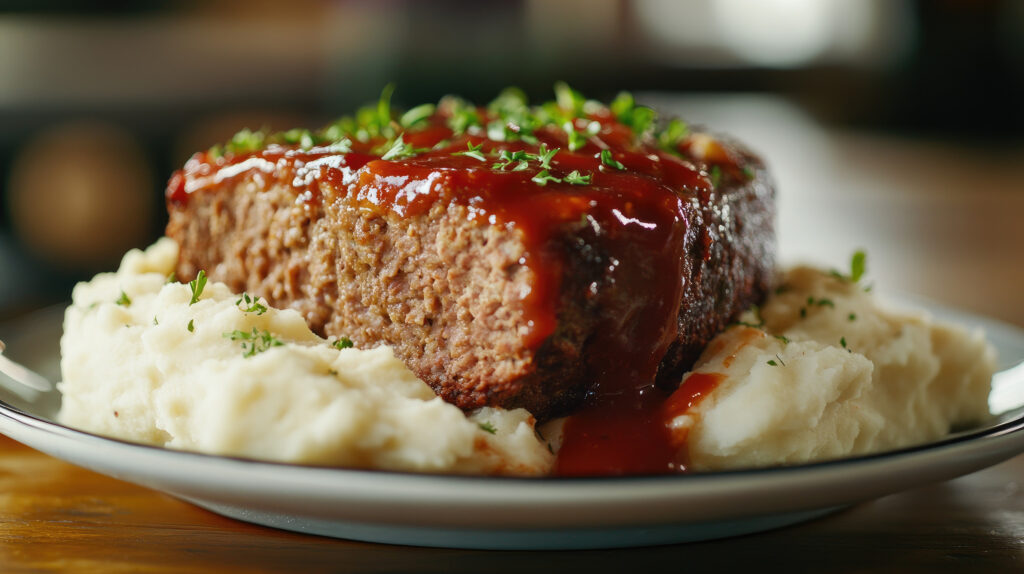
Few dishes say American home cooking quite like a traditional meatloaf. Grandmothers didn’t need complicated sauces or unusual ingredients to make it satisfying. Ground beef, breadcrumbs, eggs, onion, seasoning, and a simple tomato-based glaze were often all it took.
The secret was usually in the texture. The mixture was combined gently so the meatloaf stayed tender rather than becoming dense. A little milk or broth could keep it moist, while chopped onion added flavor throughout. Once shaped into a loaf and covered with a sweet-and-tangy glaze, it went into the oven until browned and cooked through.
And there was usually an important second act: leftovers. A slice of cold meatloaf tucked between two pieces of bread could become the next day’s lunch, proving that a good family recipe didn’t have to stop being useful when dinner was over.
Buttermilk Biscuits Were a Breakfast Staple
Before elaborate weekend brunches became fashionable, there were homemade biscuits.
A grandmother’s biscuit recipe might contain little more than flour, baking powder, salt, butter or shortening, and buttermilk. The ingredients were mixed just until the dough came together, rolled or patted out, cut into rounds, and baked until the tops were golden.
The trick was not to overwork the dough. Too much mixing could make the biscuits tough, while cold butter and a light touch helped create tender layers.
Warm from the oven, they could be served with butter and jam, sausage gravy, honey, or eaten by hand while standing in the kitchen. That’s the sort of breakfast that doesn’t need much explanation.
Chicken and Dumplings Belonged on Cold Evenings
When the weather turned cold, many American kitchens relied on dishes that could simmer and fill the house with an irresistible aroma. Chicken and dumplings were one of them.
Tender chicken was cooked in a savory broth with onion, celery, carrots, and herbs. Then came the dumplings, spooned directly onto the simmering liquid and cooked until soft and fluffy.
It was inexpensive, filling, and comforting—the exact qualities that made old-fashioned family cooking so practical.
Unlike some modern versions, a grandmother’s chicken and dumplings didn’t necessarily need a long list of ingredients. The flavor came from patiently cooking the chicken and vegetables and allowing the broth to develop.
A Bowl of Potato Soup Could Feed Everyone
Potato soup is another example of how ordinary ingredients could become something deeply satisfying. Potatoes, onions, milk or cream, butter, salt, and pepper were enough to create a hearty meal, particularly when served with homemade bread or crackers.
Some families added celery or carrots. Others included bacon or shredded cheese. No single version was definitive because recipes changed from kitchen to kitchen.
That’s one of the most interesting things about old-fashioned recipes. The “authentic” version often doesn’t exist. The recipe belonged to the family that made it.
And Then There Was Banana Bread
Banana bread became a clever way to make use of bananas that had gone far beyond their prime. Those heavily spotted bananas that might otherwise have been thrown away could be transformed into a moist, sweet loaf.
Mashed ripe bananas were combined with flour, sugar, eggs, butter or oil, and a little baking soda. Walnuts or pecans could be added if the family had them, but they weren’t essential.
The result was a loaf that worked for breakfast, an afternoon snack, or dessert. It was especially good slightly warm, with a little butter melting across the top.
Why These Recipes Still Matter
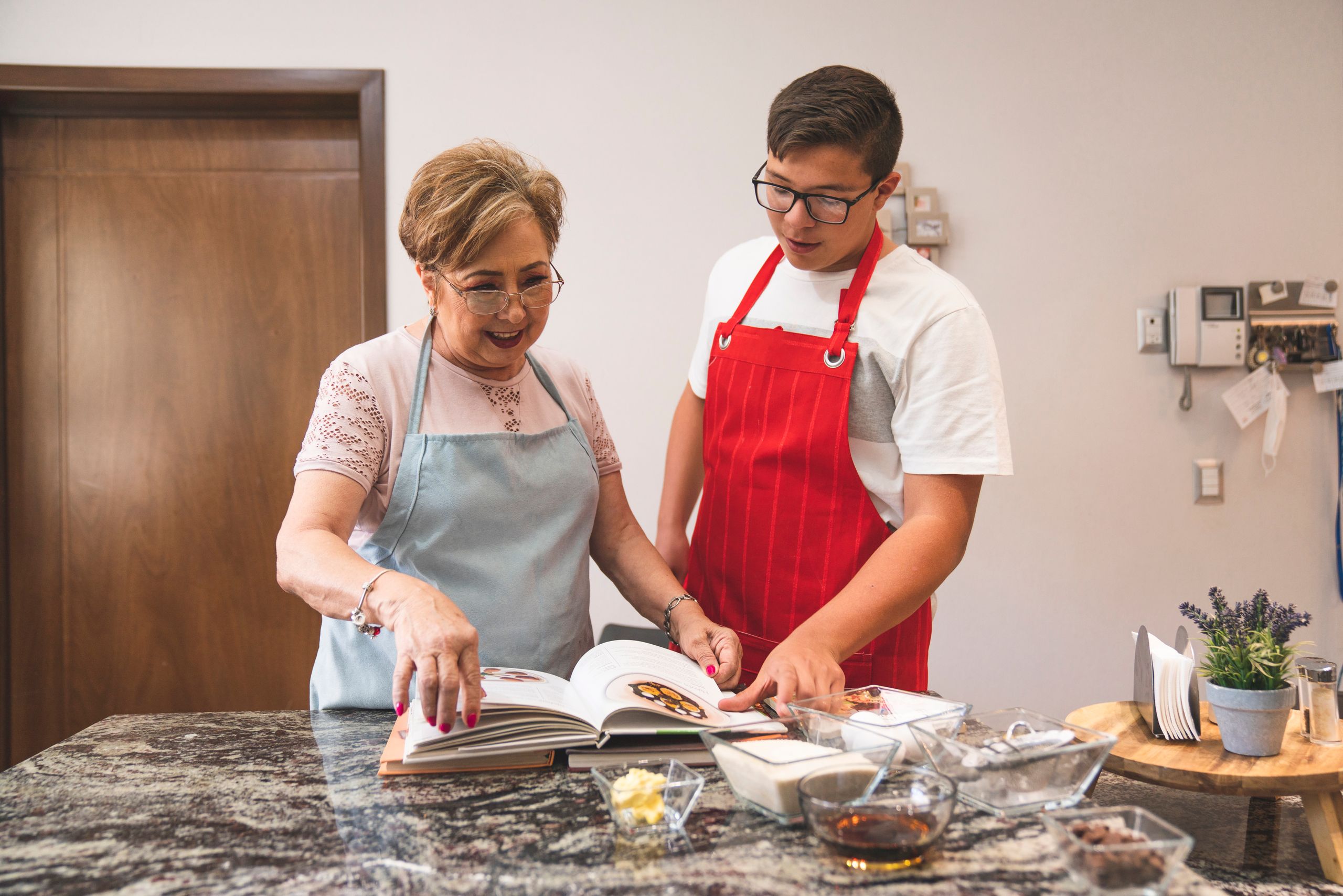
These recipes still appear in family cookbooks and kitchen drawers for a reason. They are reminders of a time when cooking was often less about presentation and more about making something nourishing for the people you loved.
They also leave room for improvisation. A grandmother might use what she had instead of making a special trip to the store. One family might add more pepper to its soup, while another might insist that a particular pie needed extra cinnamon. Over time, those adjustments became traditions.
Today, we have access to almost any ingredient imaginable, along with appliances that can chop, mix, pressure-cook, air-fry, and bake with remarkable precision. Yet something still appeals about a recipe that asks you to slow down and trust your senses.
The measurements may not always be perfect. The appearance may not belong on a magazine cover. But the food can still be wonderful.
The Recipes Worth Passing Down
Perhaps the greatest lesson from Grandma’s kitchen is that a recipe doesn’t have to be complicated to become a family tradition. Sometimes all it needs is a familiar smell, a handful of inexpensive ingredients, and someone willing to make it again and again.
The apple crisp cooling on the counter, the meatloaf waiting to be sliced, the biscuits coming out of the oven, or the pot of chicken and dumplings simmering on the stove these foods often become part of a family’s history.
And that’s why those faded recipe cards deserve another look.
They may hold more than dinner instructions. They may contain a small piece of the people, kitchens, and memories that came before us.
Other post you might like: