

This post The Fall Festivals Turning Ordinary Weekends into Big Community Gatherings Across America first appeared on Crafting Your Home.
HI Circleville, Ohio, has about 12,000 residents. For four days every October, it hosts more than 400,000 visitors, roughly 100,000 people a day, all packed into a downtown that normally sees a fraction of that traffic on any given weekend.
No gate and no ticket. The Circleville Pumpkin Show has run this way since 1903, when the town’s mayor set up a small display of corn stalks and pumpkins outside his own storefront. It is now considered the sixth-largest festival in the country, and it is still entirely volunteer-run, with any profits turned over to the city for local community projects. It is also, according to researchers who study civic life in America, exactly the gathering the country needs more of right now, not less.
The Backdrop Is Decades of Civic Decline
To understand why an event like these matters beyond its own downtown, it helps to know the research it is quietly pushing back against. Political scientist Robert Putnam documented a long, steady decline in American civic and social life in his influential 2000 book “Bowling Alone,” arguing that participation in clubs, associations, and shared community activities had been eroding across the country since the 1960s.
Putnam defined social capital as the relationships between people built on trust and reciprocity that communities can draw on to solve shared problems and improve quality of life. According to his research and the extensive body of work that followed it, that kind of capital does not just make a town feel friendlier. It has been linked to stronger local governance, more effective community organizing, and better outcomes on nearly every measure of civic health researchers have studied.
Small Towns Are Where This Actually Gets Tested
A later academic study published in the Journal of Rural Studies examined this exact question directly in small American towns, defined as incorporated places with fewer than 10,000 residents. The research found that towns with higher levels of social capital tend to have more residents willing to volunteer and get involved, which in turn allows those towns to mobilize for more community betterment projects.
That is the entire operating model behind an event like the Pumpkin Show. It takes an enormous volunteer effort to run a free festival for hundreds of thousands of people. That same organizing muscle, once built for one event, tends to carry over into other civic projects throughout the year. According to the researchers behind this line of work, that spillover effect, not just the festival weekend itself, is where the real long-term value shows up.
Related:High-Paying ‘Boring’ Jobs in Demand (Earning $95,000 or More)
Downtowns Have Learned to Lean on This Directly
This dynamic has not gone unnoticed by local business communities. Research on social capital compiled for the Connecticut General Assembly points to a familiar pattern in towns working to revive struggling shopping districts: groups of local merchants sponsoring festivals and events specifically as a tool for downtown revitalization, using the gathering itself as the mechanism for rebuilding both foot traffic and community trust at the same time.
Circleville’s own history reflects this almost exactly. What began as one mayor’s small produce display grew, through consistent volunteer involvement, into an event that now anchors the local economy for an entire county, with its own century-old volunteer corporation still overseeing the show today.
Related: The U.S. Presidential Candidate Who Took Erectile Dysfunction Out of the Shadows
The National Events Industry Is Catching Up to What Small Towns Already Knew
Evidence suggests the broader events industry is shifting toward this exact model, even outside small towns. According to Eventbrite’s TRNDS 2025 report, 63 percent of event organizers believe consumers are increasingly seeking more intimate, smaller-scale gatherings rather than only massive, anonymous events. Industry analysts describe this as a signal that growth in the events space is moving toward formats where genuine community and personal connection are easier to build, not harder.
In other words, the model Circleville has been running since 1903, and that towns hosting their own pumpkin shows, harvest festivals, and fall fairs across the country continue to run every year, is not a nostalgic throwback. According to current industry data, it is closer to where the entire events world is now trying to head.
Related:5 High-Paying Jobs People Are Avoiding
What This Adds Up To
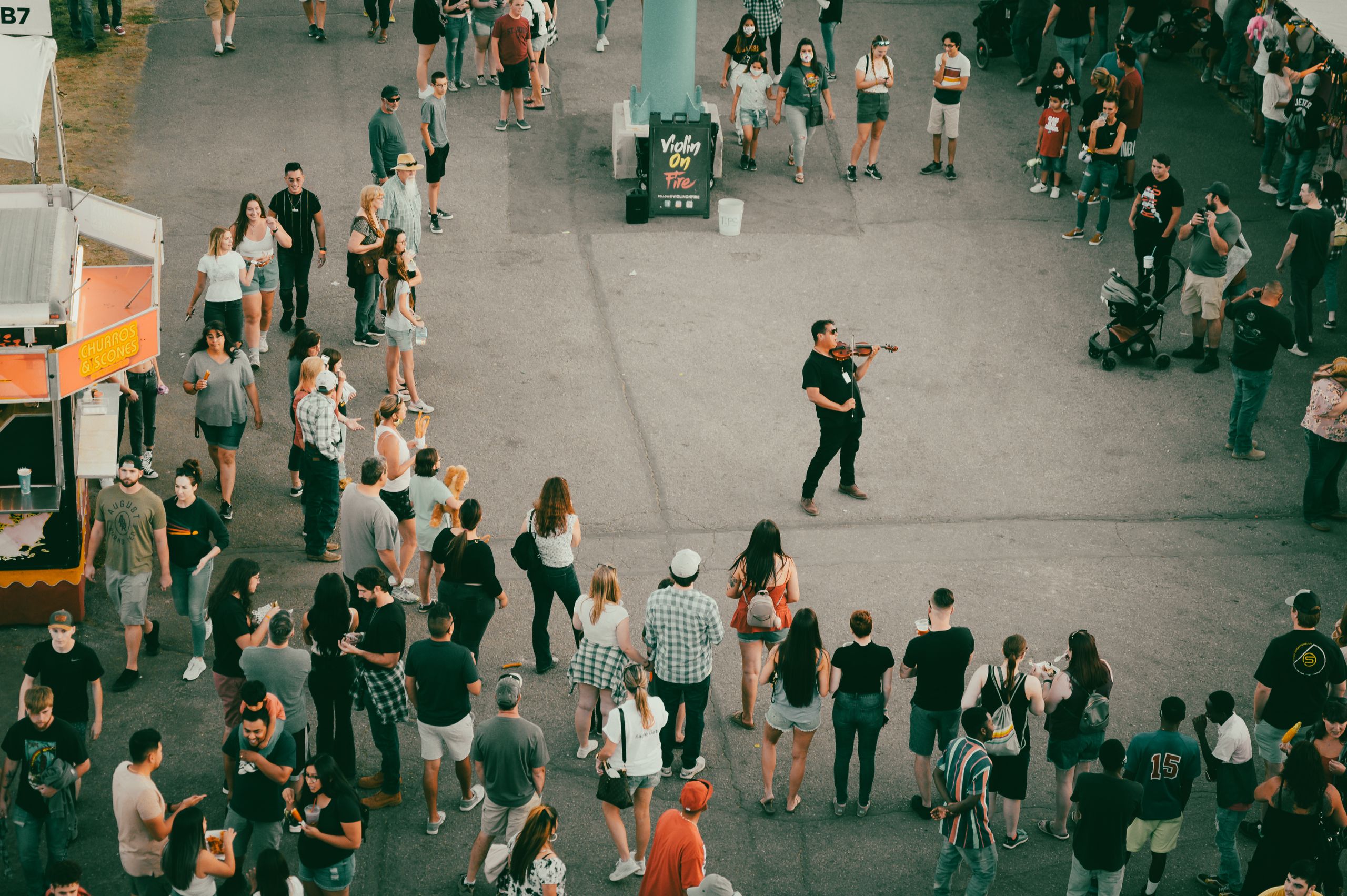
None of this means every small-town festival will grow into something the size of Circleville’s, and most never will. What the research consistently points to is something smaller in scale. Still, arguably more important: a single weekend built around a shared, recurring tradition can generate exactly the kind of trust, volunteer engagement, and civic momentum that decades of research say American communities have been steadily losing.
A pumpkin show, a harvest fair, or a hometown parade will never make national news on its own merits. But according to the researchers who study why some towns hold together while others quietly unravel, these ordinary weekends may be doing more of that holding together than almost anything else happening in these communities all year.
Other post you might like:
- America’s Good Jobs Are No Longer Enough: Why Millions Feel Financially Trapped.
- 10 Higher-Paying Jobs Workers Are Quitting Despite Strong Demand.
- The 8 Most Dangerous Jobs That Pay Well .


