



The post The “Retirement Curse” Isn’t Inevitable: Why Life After Work Can Be a Major Adjustment first appeared on Crafting Your Home.
Retirement is often imagined as a reward after decades of work, but the transition looks different for everyone. For some people, leaving a job brings freedom, new interests, and more control over their time. For others, retirement can create unexpected challenges when work has been a major source of routine, social connection, identity, or financial stability.
The phrase “retirement curse” has gained attention as a way to describe these struggles, but it is not a recognized medical diagnosis or a guaranteed outcome. Research shows that retirement experiences vary widely, and many people adjust well after leaving work.
The bigger question is not whether retirement is good or bad. It is how prepared someone feels for the changes that come with it, including changes to daily routines, relationships, finances, and personal goals.
When work disappears, daily life can look very different
For many people, a job provides more than income. It can offer structure, regular interactions with colleagues, and a sense of identity built over years. When that routine ends, some retirees may need time to develop new patterns and redefine how they spend their days.
Research using U.S. Health and Retirement Study data suggests that post-retirement well-being depends on several factors, including health, financial circumstances, family responsibilities, personality, and how people view their own situation. This supports the idea that retirement is an adjustment process, not a single emotional event.
That adjustment can feel different depending on how retirement happens. Someone who chooses to leave work may experience the transition differently from someone who retires because of workplace changes, financial pressure, or circumstances outside their control.
The idea of a “retirement curse” can be misleading if it suggests that everyone faces the same difficulties. Evidence shows that retirement affects people differently. A systematic review of 22 longitudinal studies found that retirement can improve mental health on average, while findings about general and physical health were mixed.
The way retirement happens may matter more than retirement itself
One important factor researchers have examined is whether retirement feels voluntary. Leaving work by choice can create a different experience from being pushed out unexpectedly.
Research using U.S. Health and Retirement Study data found that involuntary retirement was directly associated with worse later self-rated health and was also linked with poorer mental health through a lower sense of financial control.
This does not mean every forced retirement leads to long-term difficulties. It does suggest that having control over the timing and circumstances of retirement may influence how people adjust.
Research from Boston College’s Center for Retirement Research also found that voluntary retirees reported better outcomes than people who felt pushed out. The analysis found no statistically significant difference between gradual retirement and stopping work suddenly in measures of happiness, enjoyment, loneliness, depression, or sadness. Instead, the feeling of choice appeared to be the more important factor.
This finding challenges the idea that there is one perfect way to retire. Some people may prefer a gradual transition, while others may be comfortable making a clear break from work. The experience depends on the individual and their circumstances.
Losing workplace connections does not mean losing connection altogether
A workplace often creates regular social contact. After retirement, some people may miss casual conversations, shared projects, and the feeling of belonging that comes from being part of a team.
However, retirement itself does not automatically lead to loneliness or social isolation. The National Institute on Aging distinguishes social isolation, which involves having few social contacts, from loneliness, which is the feeling of being alone or disconnected. Both conditions are associated with health risks, but retirement is only one factor that can affect social connection.
Building new routines can help some retirees maintain connections after leaving work. Activities such as hobbies, classes, volunteering, community groups, and staying in contact with friends and family can provide opportunities for continued engagement.
The goal is not to replace a career with another full schedule. Instead, it is about creating a daily life that includes meaningful activities and relationships.
Related: The Final 12 Months Before Retirement: Your Practical Checklist for a Smooth Landing
Financial uncertainty can make retirement harder to navigate
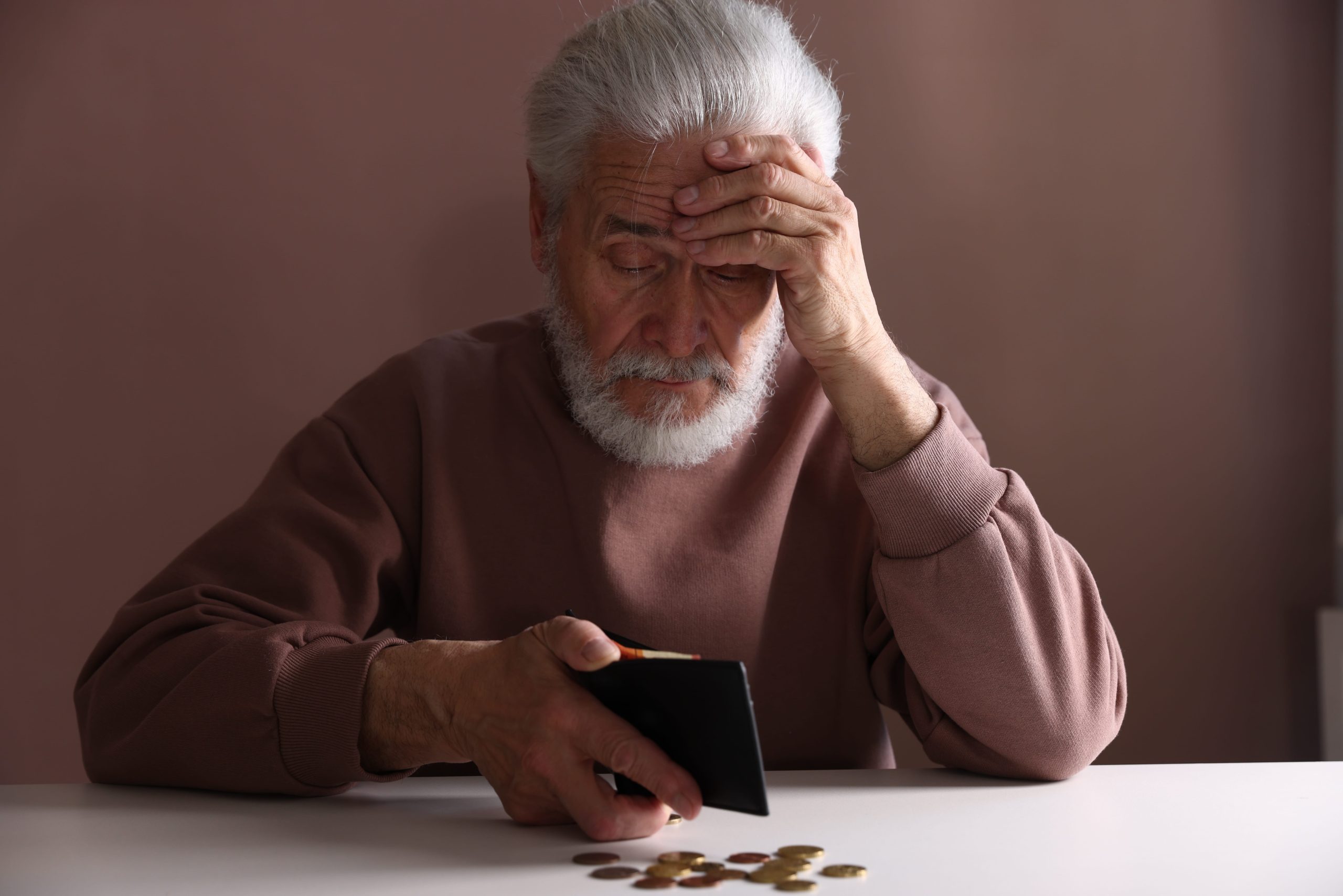
Money is another important part of the retirement transition. Even when someone has planned carefully, unexpected changes can affect how secure retirement feels.
Research has found that financial circumstances play a role in post-retirement well-being. Studies of retirement adjustment consider factors such as financial resources, health, family responsibilities, and personal circumstances when examining how people experience life after work.
Some retirees also leave work earlier than expected. A survey from the Transamerica Center for Retirement Studies found that 60% of retirees surveyed said they retired sooner than planned, with many citing employment-related reasons.
Financial preparation does not have to mean reaching one specific number. Retirement planning can also involve understanding expenses, building routines, and considering what lifestyle feels realistic.
Related: 7 Financial Mistakes That Can Make Retirement Much More Stressful
Preparing for retirement means planning for life, not just leaving work
Retirement planning often focuses on savings, but the transition also involves personal choices. What will fill the hours once work is no longer part of everyday life? Which activities, relationships, and interests will continue to provide meaning?
The research suggests that retirement outcomes vary because people enter retirement with different circumstances and resources. Some people experience retirement as an opportunity, while others may need time to adjust to the changes it brings.
For those approaching retirement, preparation may include thinking about social connections, hobbies, volunteering, part-time work, or community activities. These choices aren’t requirements for a successful retirement, but they can help people build new routines.
Retirement is not a universal decline or a guaranteed fresh start. It is a major life transition shaped by choice, circumstances, relationships, finances, and personal expectations. The most useful question may not be whether retirement is a “curse” or a reward, but how people can build a life after work that still feels connected, purposeful, and their own.
Other posts you might like
- 10 Purchases That Can Quietly Drain a Retirement Budget in 2026
-
10 States That Look Like Retirement Dreams but Come With Big Problems
-
Why More Boomers Are Trading Quiet Retirement Communities for College Town Energy
If you like what you just read, then subscribe to our newsletter and follow us on social media.


