


The post 6 Everyday Habits That Can Quietly Damage Attraction in Marriage After 50 first appeared on Crafting Your Home.
Long marriages often survive life’s biggest challenges, but small changes in communication, effort, and daily routines can slowly weaken the connection between partners if ignored.
Many couples reach their 50s and beyond with decades of shared memories, family milestones, and experiences that have built a strong foundation.
But long-term relationships do not stay healthy on history alone.
After years together, routines can replace romance, comfort can replace curiosity, and familiarity can replace the small gestures that once made both partners feel valued.
Attraction in marriage is not only about appearance. It is often connected to emotional closeness, respect, effort, appreciation, and the feeling that both people are still choosing each other.
Some habits develop slowly and may not seem serious at first. But over time, they can create distance between partners.
Here are six common behaviors that can quietly affect attraction and connection in a marriage after 50—and what couples can do instead.
Taking Your Partner for Granted
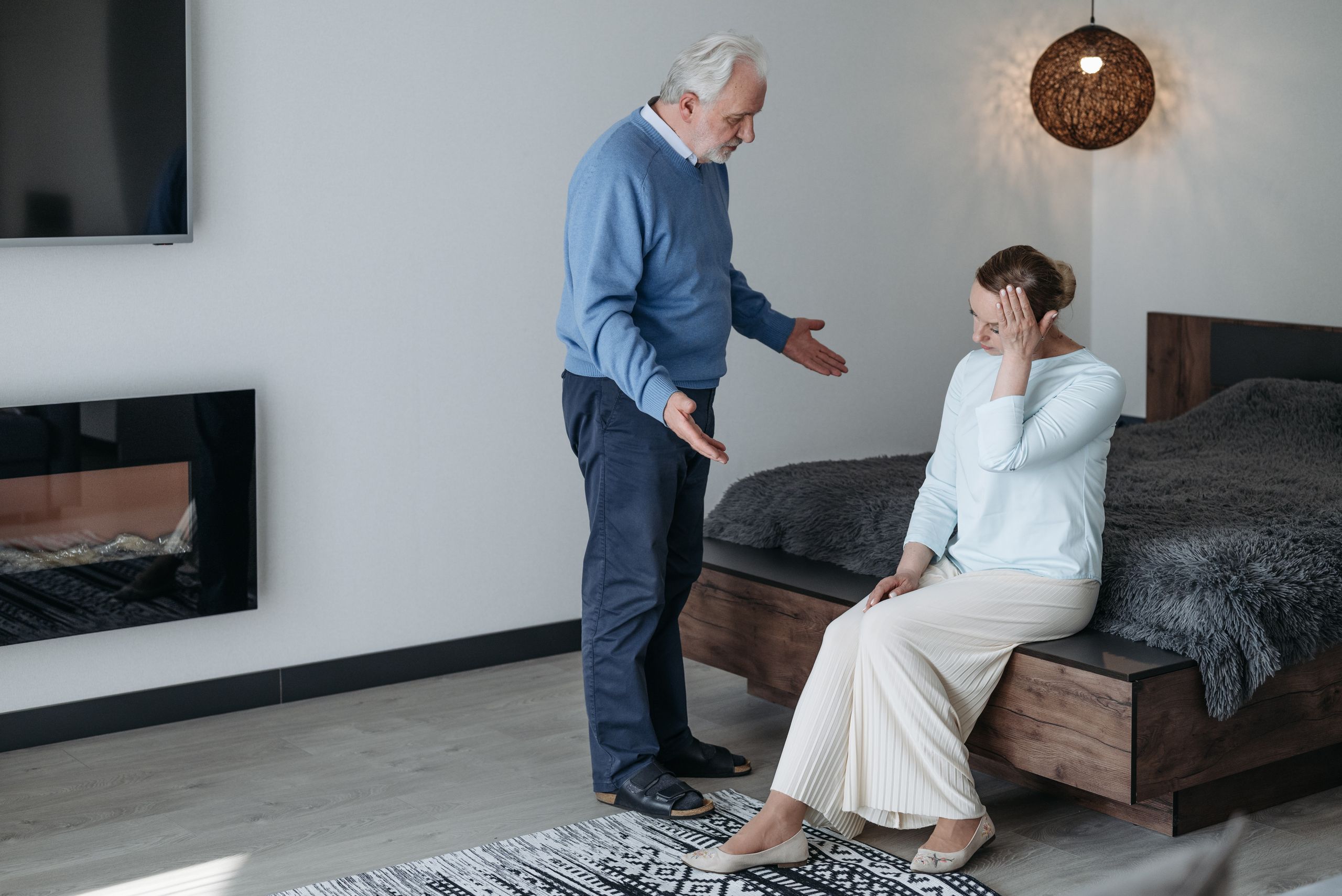
One of the most common challenges in long marriages is assuming your partner already knows they are appreciated.
After decades together, couples often become comfortable. They know each other’s routines, preferences, and habits. That familiarity can be wonderful, but it can also lead people to stop expressing gratitude.
A simple “thank you,” a compliment, or an acknowledgment of something your spouse does can have a meaningful impact.
When appreciation disappears, a partner may begin to feel invisible or taken for granted.
Small gestures matter:
- Notice the effort your spouse makes.
- Compliment something you genuinely admire.
- Show appreciation for everyday actions.
- Express affection without needing a special occasion.
Attraction often grows where people feel valued.
Related: 8 First Ladies Whose “Happy Marriages” Were a Complete Myth
Stopping Effort Because the Relationship Feels Secure
Some couples unconsciously stop trying once they feel their marriage is established. They may stop dressing with care, planning time together, showing affection, or making an effort to create special moments.
Comfort is not the problem. A strong marriage should feel safe and familiar. The issue comes when comfort turns into neglect.
Maintaining attraction does not require pretending to be young again or constantly impressing your partner. It can simply mean continuing to show that the relationship matters.
That might include:
- Planning a date night.
- Trying a new activity together.
- Taking interest in your partner’s hobbies.
- Making time for conversations beyond daily responsibilities.
A relationship can evolve with age without losing its sense of excitement.
Becoming Emotionally Distant
Physical attraction is often connected to emotional connection. When couples stop sharing thoughts, feelings, dreams, and experiences, they may begin functioning more like roommates than romantic partners.
This can happen gradually. Busy schedules, retirement changes, family responsibilities, health concerns, or years of routine can all affect communication.
Emotional closeness often comes from small moments:
- Asking how your partner is really feeling.
- Listening without immediately trying to fix everything.
- Sharing memories and future plans.
- Showing curiosity about your spouse’s thoughts.
A partner who feels understood and heard often feels more connected.
Constant Negativity or Frequent Criticism
Every couple disagrees. Differences of opinion are normal in any long-term relationship. The problem is when criticism becomes the main form of communication.
Repeated complaints, sarcasm, or focusing only on what a partner does wrong can slowly change how someone feels inside the relationship.bOver time, a person may begin associating interactions with tension rather than warmth.
This does not mean couples should avoid discussing problems. Healthy relationships require honesty. The difference is how concerns are expressed.
Instead of:
“You never help.”
A more constructive approach might be:
“I feel overwhelmed and would appreciate more support.”
Respectful communication keeps disagreements from damaging the connection.
Neglecting Personal Well-Being
Attraction is influenced by how people feel about themselves.
After 50, life changes can affect confidence, routines, and identity. Retirement, changing health needs, children leaving home, or major lifestyle adjustments can all reshape how someone sees themselves.
Some people stop investing in themselves because they believe appearance or personal growth no longer matters.
But self-care is not only about looking a certain way.
It can include:
- Staying active in ways that feel enjoyable.
- Maintaining personal interests.