
The post Why More Austin Homeowners Are Turning Their Backyards Into Outdoor Living Rooms first appeared on Crafting Your Home.
Ask an Austin homeowner where the real living room is these days, and they’ll likely point past the couch and straight out the back door.
Across the city, more residents are treating their backyards less like an afterthought and more like a true extension of the house. Local landscape designers say it is less a passing trend than a natural response to how Austin actually lives, given its climate, its culture, and the way the city has grown in recent years.
National Data Backs Up What Local Designers Are Seeing
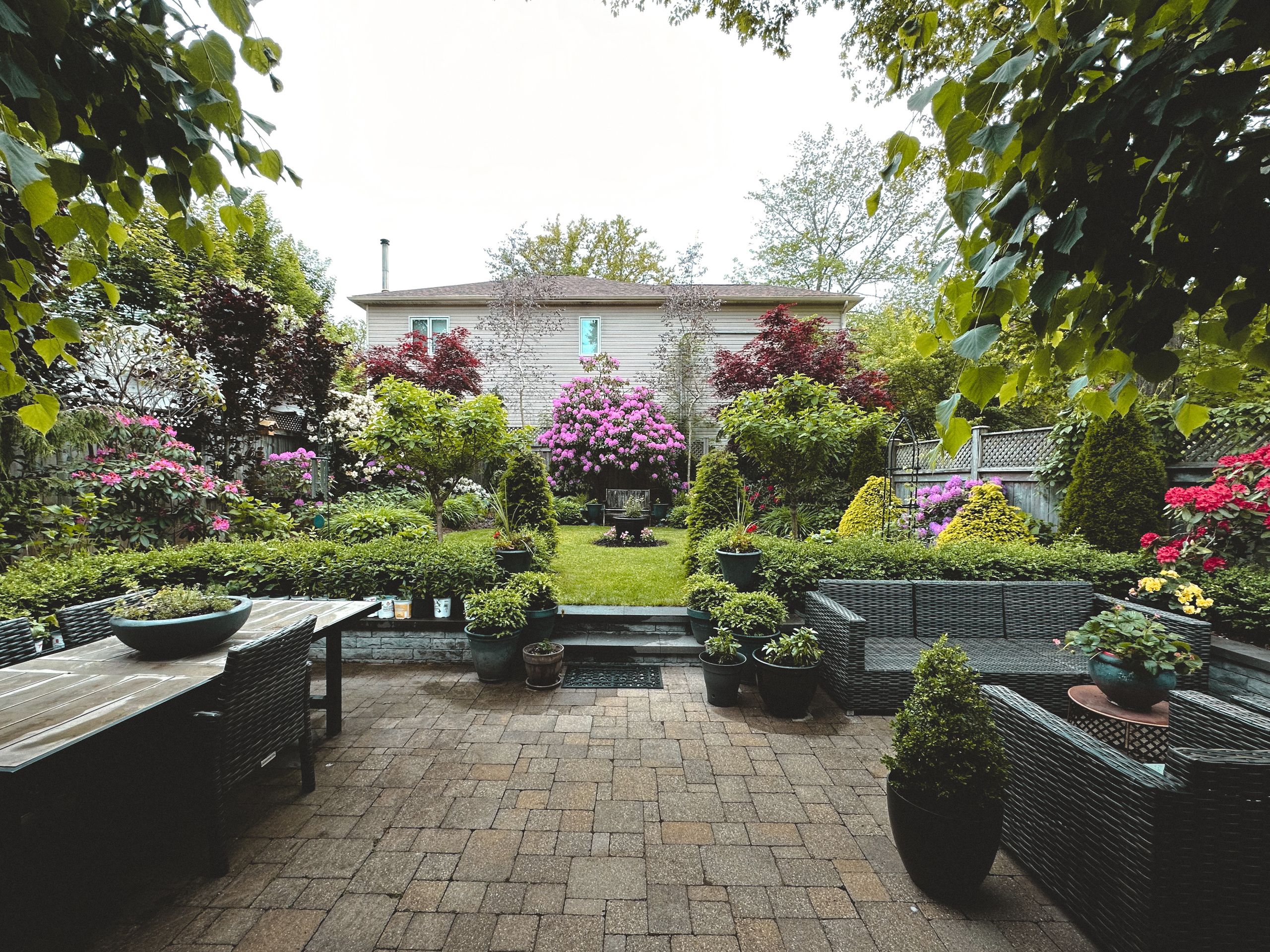
The shift is not just anecdotal. According to the 2026 Outdoor Trends Study from home renovation platform Houzz, which surveyed nearly 1,200 U.S. homeowners about recent or planned outdoor projects, transforming a backyard into a comfortable lounging area is now the top outdoor priority nationwide, CultureMap Austin reports.
The same study found that homeowners’ top goals for outdoor renovations are improving aesthetics (53 percent of respondents), enhancing entertaining spaces (34 percent), and extending the home’s living space (32 percent). Notably, the research also found that homeowners are increasingly motivated by everyday comfort rather than resale value alone, a shift away from treating the backyard purely as a curb appeal project.
The Climate Is Doing a Lot of the Work
It is hard to talk about Austin’s outdoor living boom without talking about the weather. According to Austin-based design-build firm Allied Outdoor Solutions, the city averages roughly 300 days of sunshine a year, with a mild November average temperature around 71 degrees. These conditions make year-round outdoor living genuinely realistic rather than seasonal.
That climate reality shapes how local designers approach a project from the start. Rather than building a patio meant mainly for a few warm weekends, many Austin homeowners now want spaces that hold up through nearly the entire calendar year, according to firms working across the region.
Backyards Are Being Designed in Zones, Not Just Filled with Furniture
According to landscape company Top Grass Modern Landscapes, which works with homeowners across the Austin area, backyards in 2026 are increasingly being treated as a collection of clearly defined outdoor zones rather than a single open lawn. Rather than piecing together furniture and features over time, many homeowners are opting for full design-build plans up front. As a result, a cooking area, a lounge area, and a shaded seating area work together as one coherent space instead of separate additions.
This zoned approach is especially common in communities like Dripping Springs, Bee Cave, Lakeway, and West Austin, where Hill Country terrain meets more modern architecture, according to the same company’s reporting on 2026 design trends.
Water-Conscious Design Is Central to How Austin Builds Outdoors
Given the region’s history of drought and water restrictions, sustainability is not an optional add-on for Austin backyard projects. According to Waterloo Outdoor Design Build, an Austin-based landscape design firm, the City of Austin’s ongoing water conservation initiatives have made drought-conscious landscaping a standard consideration for residential properties across the area.
Native and adapted plant species, including live oaks for shade canopy and muhly grass for seasonal color, are commonly recommended by local designers specifically because they hold up to Central Texas conditions while still creating a lush, finished look. Xeriscaping, a landscaping approach built around drought-tolerant plants and efficient irrigation, has become a defining feature of many newer Austin backyard designs rather than a niche choice.
Smaller Water Features Are Replacing Traditional Pools
One noticeable shift in the city’s backyard projects is the rise of smaller, purpose-built water features in place of large traditional pools. According to Top Grass Modern Landscapes, cocktail pools and plunge pools, designed for relaxation rather than swimming laps, are among the fastest-growing backyard additions in the Austin area heading into 2026.
That shift fits into a broader theme local designers point to again and again: Austin homeowners increasingly want spaces built around daily use and low maintenance, not size for its own sake.
Shade and Indoor-Outdoor Flow Are Treated as Essentials, Not Extras

With summer temperatures in the region regularly climbing into the mid-90s, shade is not a design afterthought in Austin the way it might be in a milder climate. Multiple local design firms point to shade structures such as pergolas, retractable glass walls, and covered patios as standard requests rather than upgrades, allowing homeowners to move between indoor and outdoor space comfortably even during the hottest stretches of the year.
That indoor-outdoor connection is part of what distinguishes an outdoor living room from a simple patio. Rather than a separate space people visit occasionally, these backyards are designed to function as a genuine second living area, one that can be used for a quiet morning coffee, a work call, or a full evening of entertaining with equal ease.
The Bigger Picture
None of this means Austin homeowners have abandoned traditional yards entirely, or that every backyard needs a full renovation to feel like an extension of the home. Local designers consistently point to a shift in mindset. Given Austin’s climate, its water-conscious culture, and a homeowner base increasingly focused on everyday comfort over occasional use, the backyard has stopped being treated as leftover space and started being treated as one of the most valuable rooms in the house, even though it technically has no walls at all.
Other Post you might like:
- The September Garden Mistakes That Can Make Your Spring Garden Harder
- 8 September Garden Jobs That Could Save Your Yard Next Spring
- Five Serviceberry Trees for Small Yards That Bring Flowers, Berries, and Fall Color