


The post High-Fiber Foods for Weight Loss That Actually Make Meals More Satisfying first appeared on Crafting Your Home.
If you are trying to make healthier choices, you may have wondered why some meals leave you comfortably satisfied while others have you searching the kitchen again soon after. The answer is not always about eating less. Sometimes it is about building meals that feel more substantial.
Fiber is often talked about as if it is a shortcut to weight loss, but that is not the full story. Fiber will not melt fat while you sleep, and no single ingredient can transform a diet overnight. Instead, high-fiber foods can be useful because they often make meals more filling and can replace choices that are less satisfying. The goal is not a restrictive plan built around “perfect” foods. It is a more practical way of putting together meals that work for everyday life.
Fiber’s real role: helping meals feel more satisfying
The relationship between fiber and weight management is modest, not magical. A systematic review and meta-analysis of randomized controlled trials found that viscous fiber was associated with a small average reduction in body weight and waist circumference, even without intentional calorie restriction. That finding suggests fiber may offer a helpful edge, not a dramatic transformation.
One reason fiber may help is the way some types interact with food. Viscous fibers can absorb water and create a thicker texture in the digestive tract. Research suggests these fibers may help reduce appetite, although effects can differ depending on the type of fiber and the individual.
In everyday terms, fiber can give meals more staying power. A bowl of oats with fruit, a bean-filled taco, or a dinner built around vegetables and whole grains may simply feel more complete than a meal made mostly from refined ingredients. This is less about chasing a “fat-burning” food and more about creating meals that are easier to enjoy and maintain.
Beans, lentils, and chickpeas: hearty foods that do more
Legumes are among the most practical high-fiber choices because they bring both fiber and plant protein to the plate. Beans, lentils, and chickpeas can help make a meal feel substantial while replacing part of a more calorie-dense protein or refined grain portion.
They are also easy to add without completely changing the way you cook. Lentils can be stirred into soups or pasta sauces. Black beans can add substance to tacos and grain bowls. Chickpeas can turn a simple salad into something more filling. Even a familiar recipe, such as chili, can be adjusted by replacing some of the ground meat with beans.
The appeal of beans is that they do not need to feel like a “diet food.” They are a familiar, affordable ingredient that can make everyday meals feel more generous.
Oats, barley, and whole grains: simple swaps that add texture
Breakfast is one place where fiber can make a noticeable difference in how a meal feels. Oats contain beta-glucan, a viscous fiber, making them a sensible option for people who want a more filling breakfast. However, the evidence does not support the idea that oats alone cause weight loss.
A bowl of oatmeal topped with berries and yogurt, overnight oats, or a breakfast that includes oat bran can be a practical alternative to a pastry-based morning routine. The benefit is not a magical effect from one breakfast. It is the chance to create a meal with more substance.
Barley offers another option. This whole grain contains beta-glucan and can bring variety beyond more common grains. It works in vegetable soups, grain bowls, or as a side dish alongside vegetables and a protein source. The research on viscous fiber supports the broader fiber category rather than proving a specific weight-loss effect from barley itself.
Whole-grain breads, brown rice, quinoa, and whole-wheat pasta can also be approachable upgrades. The key is remembering that “whole grain” does not automatically mean every product is high in fiber, so checking labels still matters.
Fruits, vegetables, and small additions that make meals work harder
Fiber-rich foods do not have to be complicated. Whole fruits such as berries, apples, pears, and oranges are useful because they can replace less filling snacks while keeping the structure of the fruit intact. Whole fruit is different from juice because the fiber structure remains.
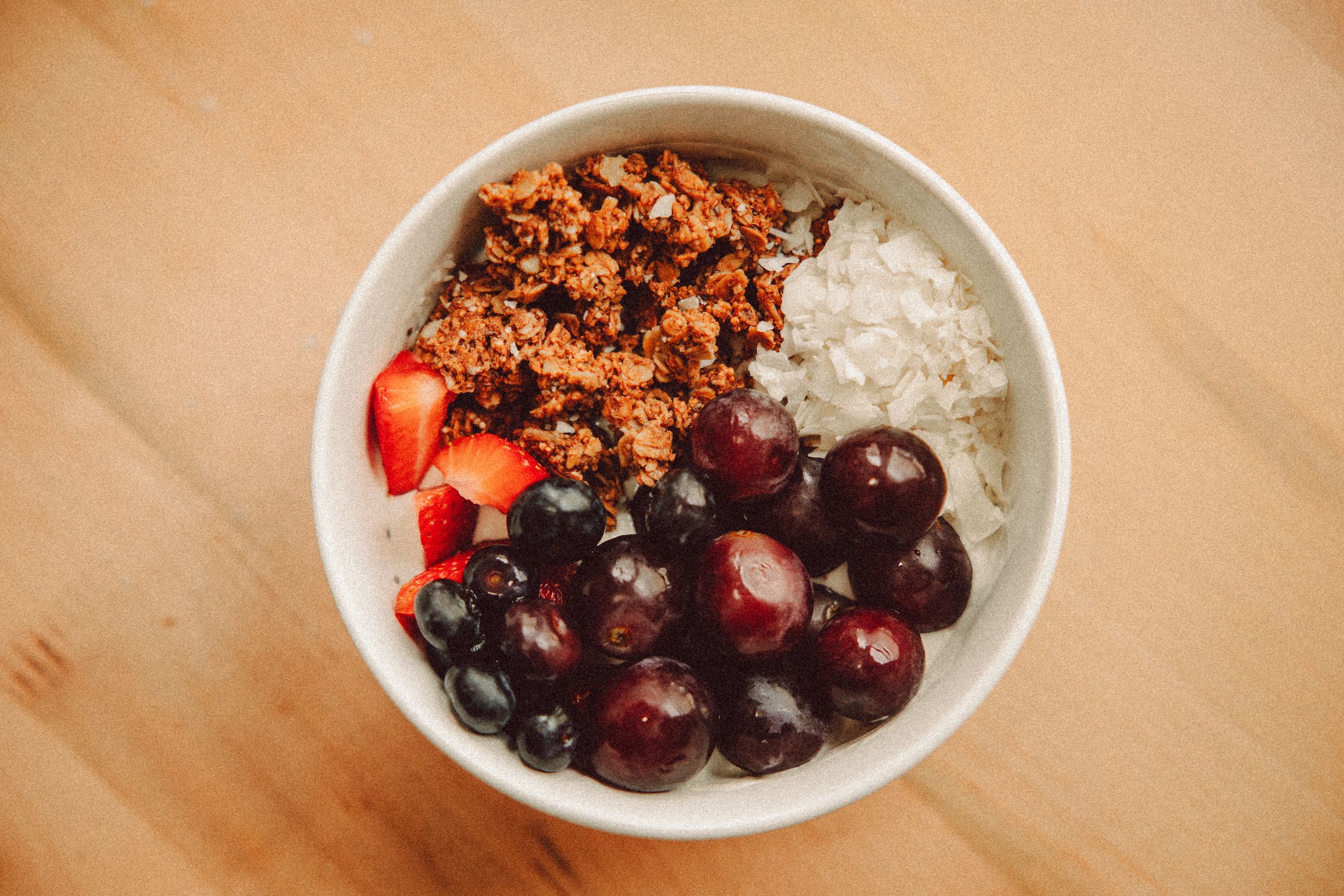
Berries are an easy addition to oatmeal, yogurt, or snacks. They bring sweetness and fiber without requiring a specialty product. Their value comes from being a fiber-containing whole food, not from any claim that they “burn fat” or create a specific weight-loss effect.
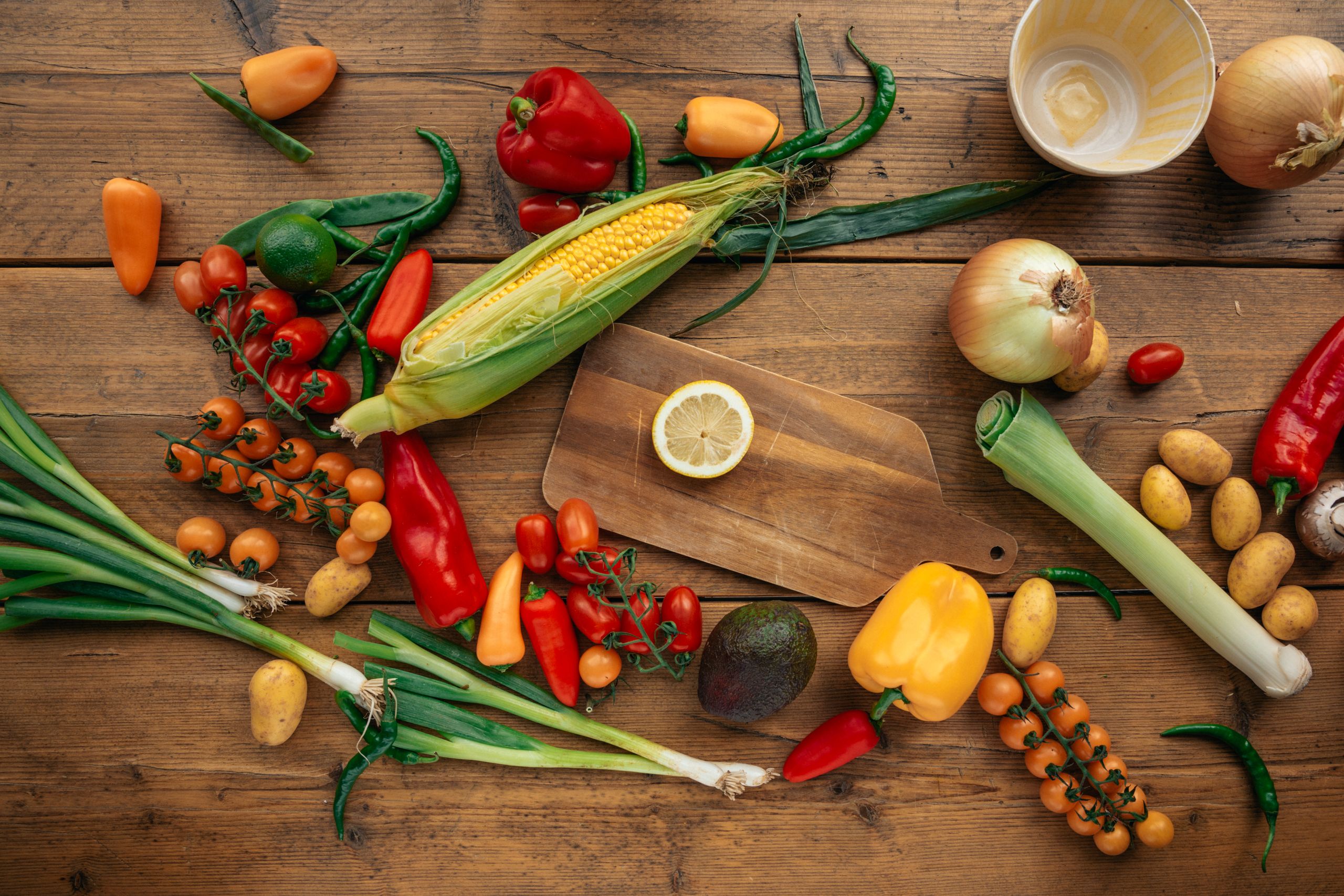
Vegetables are another everyday tool. Broccoli, Brussels sprouts, carrots, sweet potatoes, and winter squash can add volume, texture, and flavor to meals. A tray of roasted vegetables, vegetables blended into soups, or extra produce added to pasta can make familiar meals feel bigger and more nourishing.
Other helpful additions include chia seeds and ground flaxseed, which can be mixed into foods people already enjoy, such as oatmeal, yogurt, and smoothies. They are supporting ingredients, not miracle solutions. Avocado can also contribute fiber and unsaturated fat, adding satisfaction to meals when used as a flavorful portion rather than an unlimited topping.
Building a realistic fiber habit
A higher-fiber eating pattern does not need to happen all at once. U.S. dietary guidance uses a target of 14 grams of fiber per 1,000 calories, which works out to about 28 grams per day on a 2,000-calorie eating pattern.
A more realistic approach is to build gradually: oats or fruit at breakfast, beans or vegetables at lunch, a fiber-rich snack, and a dinner that includes vegetables or whole grains.
It is also worth easing into changes. Increasing fiber too quickly can cause digestive discomfort, and adding it gradually over several weeks while drinking enough fluids is recommended in the brief’s guidance.
High-fiber foods are not a shortcut or a promise of instant results. They are simply some of the most practical ingredients for making meals feel more satisfying. A plate built around beans, whole grains, fruits, vegetables, and other fiber-rich foods can support a more balanced routine one that feels less like a temporary challenge and more like everyday eating.
Other Posts You Might Like:
If you like what you just read, then subscribe to our newsletter and follow us on social media.


