


The post Brutal Bear Attack Forces Injured Montana Hunter to Face a Terrifying Choice first appeared on Crafting Your Home.
A 20-year-old Montana archery hunter was attacked by a grizzly bear on state land southwest of Augusta on Monday, Sept. 14, turning a morning hunt into a dangerous fight to reach medical care.
The attack occurred along Elk Creek near Haystack Butte. Montana Fish, Wildlife & Parks (FWP) said the hunter encountered the bear and suffered significant injuries that were not considered life-threatening. After the encounter, he reached his vehicle and drove himself home before a private vehicle took him to Benefis Hospital in Great Falls.
The incident is still under investigation, but wildlife officials have confirmed that the animal was a grizzly bear. Investigators collected bear hair from the hunter and the scene, along with tracks, which allowed them to identify the species.
What Happened During the Montana Bear Attack?
The hunter was bowhunting on state-owned land on the morning of Sept. 14 when he encountered the bear near Elk Creek, southwest of Augusta. Publicly released details remain limited. FWP has not released the hunter’s identity or current health status, citing privacy concerns. Officials have described his injuries as significant but not life-threatening.
Lewis and Clark County Sheriff Leo Dutton provided additional information about the encounter. According to reporting based on his account, the hunter ended up in a fetal position while the bear attacked. The bear struck him before leaving the area.
That detail helps explain why the incident did not end when the bear moved away. The hunter still had to get himself out of the area while injured. According to FWP, he drove himself home after the attack. From there, someone else took him to Benefis Hospital in a private vehicle for treatment.
The sequence is unusual enough to have become the story’s defining detail. After being injured in a remote area, the hunter was able to get to his vehicle and begin the trip home before receiving hospital care.
Why Was There a Bear Near the Hunting Area?
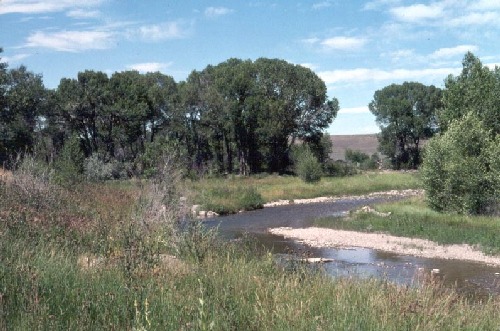
Investigators found an important clue near the attack site. FWP said a domestic cow carcass was located approximately 150 yards from where the hunter was attacked. Investigators suspect a bear had killed the cow. Wildlife specialists are still examining the circumstances, so officials have not said the carcass definitively caused the encounter. The proximity matters because carcasses can create situations in which hunters and bears compete for access to the same food source.
Montana FWP specifically warns hunters not to approach a bear that has claimed an animal. The agency advises hunters to report lost game rather than attempting to haze, frighten, or drive a bear away from a carcass.
In this case, however, officials have not publicly established that the hunter was approaching the cow carcass or that the bear was defending it. Those conclusions would go beyond the evidence currently available.
What Happened to the Bear?
Investigators initially could not identify the bear by species, but later confirmed it was a grizzly. FWP said evidence gathered at the scene included hair found on the hunter and at the attack site, along with tracks. Wildlife specialists are continuing their investigation with the U.S. Department of Agriculture’s Wildlife Services.
Authorities have also taken steps to limit public exposure to the area. In coordination with the Montana Department of Natural Resources and Conservation, officials signed and closed the location where the attack occurred until further notice. The closure reflects a practical concern: investigators need to determine what happened while also reducing the chance of another person encountering the bear or disturbing evidence at the site.
Why Hunters Face Particular Risks in Bear Country
Hunting can create circumstances that increase the possibility of an encounter. Hunters may move quietly through thick vegetation, travel along waterways, and spend time around animal carcasses or gut piles. Montana FWP specifically advises hunters to be cautious around brush and waterways because grizzly bears can use thick vegetation to rest during the day. The agency recommends walking with the wind, carrying bear spray, and closely watching hunting dogs.
Game remains another important consideration. FWP recommends packing meat out as soon as possible and, when possible, avoiding carcass processing at dusk or at night. If an animal must be processed after dark, hunters should use a strong headlamp and stay especially alert for bears.
If hunters must leave meat temporarily, the agency advises them to return carefully and leave it somewhere that can be observed from a distance. If possible, move gut piles to an open area and at least 100 yards from the carcass.
These recommendations are intended to reduce the likelihood of a hunter unexpectedly coming into close contact with a bear.
What Should Hunters Do Around Bears in Montana?
Montana FWP recommends carrying bear spray in an easily accessible location and knowing how to use it. The agency notes that both grizzly and black bears can pose a threat and says that a bear’s behavior, rather than simply its species, should guide a person’s response during an encounter.
Research on bear deterrents also supports bear spray. A study published in the Journal of Wildlife Management examined factors affecting bear-spray performance and found that canister pressure and storage conditions can affect performance. The researchers recommended keeping canisters from becoming cold and replacing older cans rather than relying on equipment indefinitely.
That does not mean bear spray eliminates risk. Montana FWP describes it as a deterrent and emphasizes that carrying it should be combined with awareness and appropriate bear-avoidance practices.
Other Posts You Might Like
- Detroit’s Long Road Back: How a Historic Drop in Homicides Is Changing the Story of America’s Crime Crisis
- America’s Restaurant Boom Looks Strong on Paper, But Behind the Numbers Is a Tough New Reality
- The 3PM Crash Is Lying to You
- The U.S. Presidential Candidate Who Took Erectile Dysfunction Out of the Shadows
If you like what you just read, then subscribe to our newsletter and follow us on social media.