

The post Arizona Homeowner Says He Lost His $475,000 House Over Less Than $1,000 in HOA Dues first appeared on Crafting Your Home.
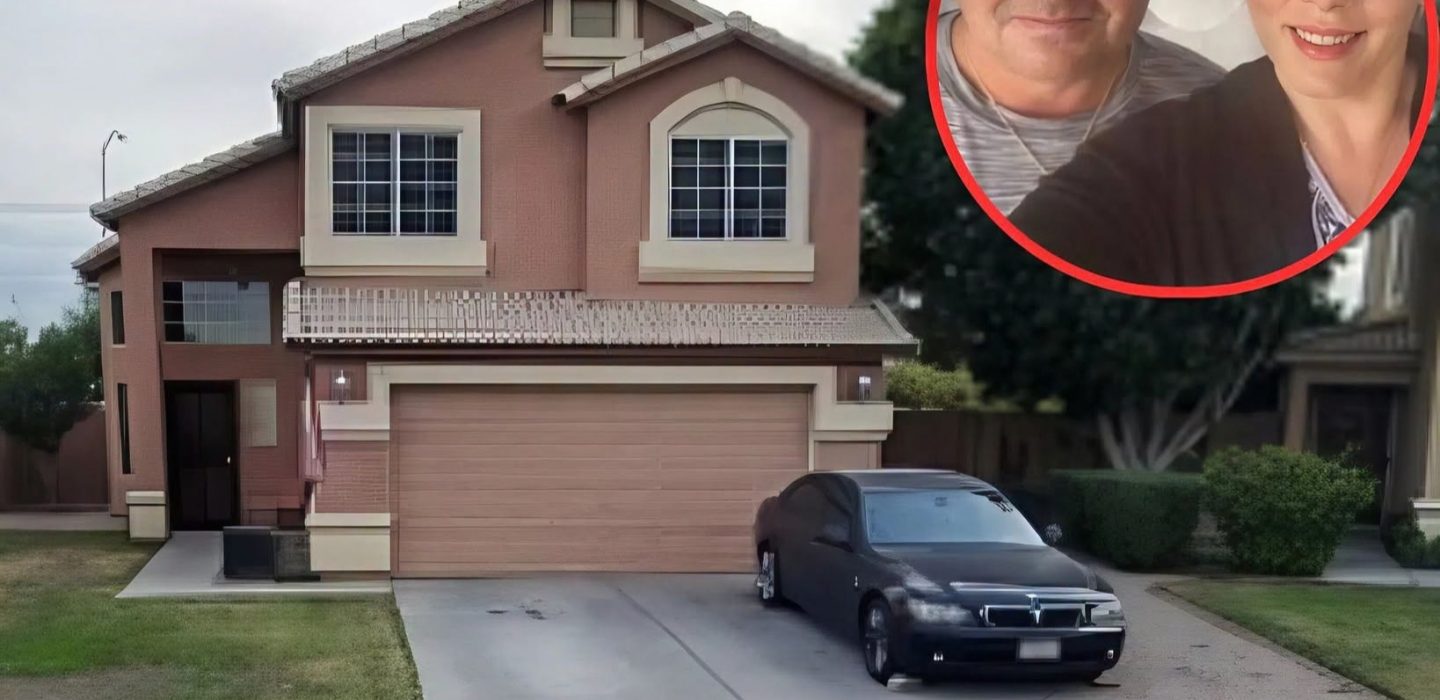
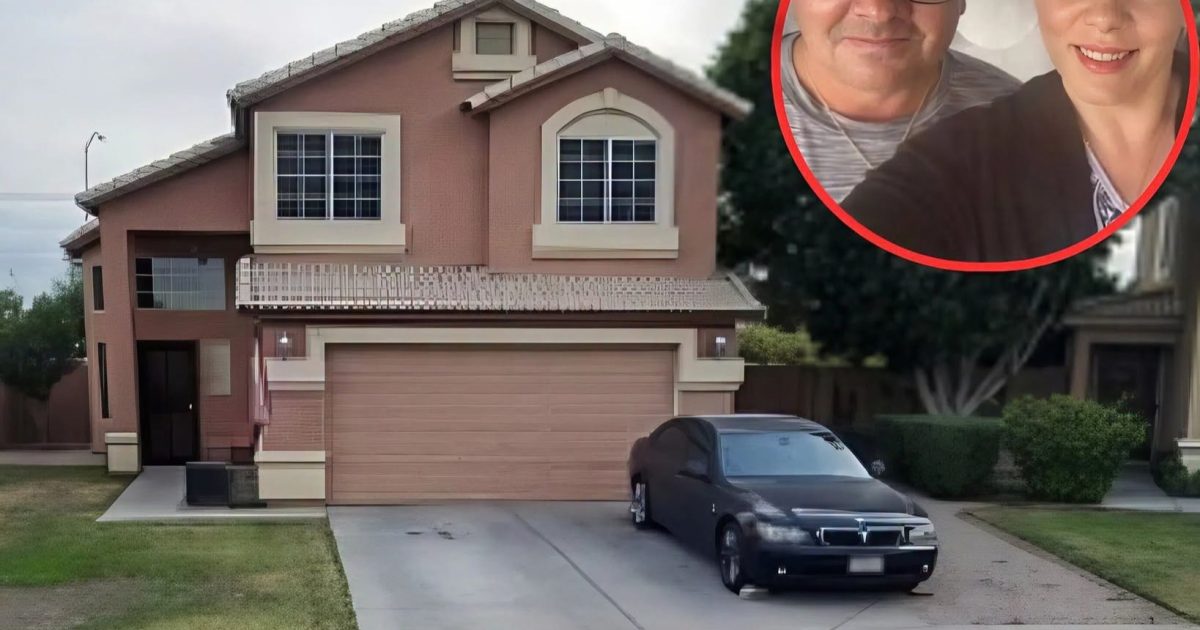
The case of Toby Newton, a homeowner in East Mesa, Arizona, gained national attention after reports said he lost his home after an HOA foreclosure process that began with a relatively small unpaid balance. The story gained wide attention because of the contrast between the reported debt amount and the property’s value. However, several details require careful explanation because some public descriptions of the case simplify the facts.
The reported starting delinquency was approximately $977, including fees and interest, rather than confirmed unpaid HOA dues alone. Newton reportedly purchased the home in 2022 for around $475,000. The property was located in the Superstition Springs community in East Mesa, Arizona. Reports described it as a four-bedroom home, although the exact address has not been consistently released publicly.
While $475,000 is the most commonly repeated purchase price, some reports cite different figures, so the most accurate description is that the home was purchased for roughly $450,000 to $475,000. The dispute began when Newton fell behind on HOA payments. According to available reports, the HOA assessments were approximately $170 per quarter.
Newton said he initially owed $977, but that figure included fees and interest. Therefore, it is inaccurate to describe the entire amount as unpaid dues because the available records do not show that the full $977 represented only missed assessments. Newton said financial problems contributed to his inability to keep up with payments.
Reports stated that he experienced job loss and health-related financial difficulties, including a diabetes diagnosis. His partner’s health challenges were also mentioned in media reports. These circumstances reflect Newton and his partner’s statements to journalists, not court findings.
Newton also claimed that he attempted to negotiate payment arrangements with the HOA. He reportedly proposed several options, including monthly payments of $50, $133.70, and $200 toward resolving the debt. According to Newton, the HOA rejected these proposals. However, the HOA has not publicly documented its reasons for rejecting those offers in the available reports.
The HOA began foreclosure proceedings in November 2024. This was not a private seizure of the property but a legal foreclosure process conducted through the Arizona court system. The reported process involved the HOA placing a lien on the property, filing a foreclosure lawsuit, obtaining a court judgment, and eventually proceeding to a public sale.
Foreclosure Process and Legal Issues
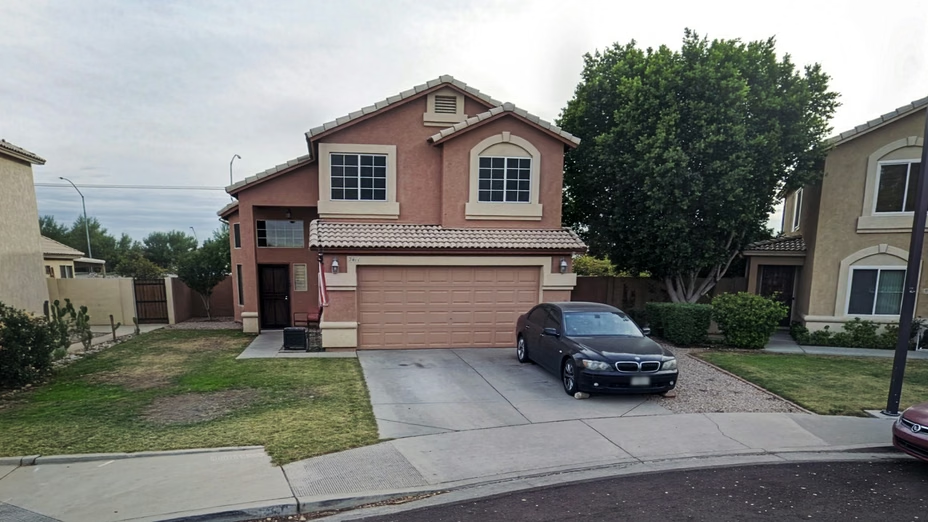
By the time the foreclosure reached the sale stage, the amount owed had increased because of additional charges. Court-related reports listed missed assessments, late charges, collection expenses, and attorney fees. The reported breakdown included $1,311 in missed assessments and late charges, $1,042.09 in collection costs, and $3,345 in attorney fees. Reports later stated that the total balance at the time of sale was $6,579.
In October 2025, the property was reportedly sold through a public auction. The buyer was identified as Superstition Springs Community Master Association, the HOA itself, which reportedly purchased the property for $8,172. This auction price became one of the most controversial parts of the case because the property had been purchased years earlier for hundreds of thousands of dollars.
However, an auction price does not necessarily reflect a property’s true market value. Forced sales can be influenced by bidding conditions, legal procedures, existing liens, and other financial factors. The case’s legal background is especially important. Newton’s foreclosure process began under Arizona’s older HOA foreclosure rules.
At that time, planned-community HOAs could generally pursue foreclosure when an owner had been delinquent for at least one year or when unpaid assessments reached $1,200. Certain additional costs, such as attorney fees and collection expenses, were excluded from the assessment threshold calculation. This means that the legal question was not simply whether the homeowner’s total bill exceeded a certain amount after fees were added.
The foreclosure had to meet the requirements under the law in effect at the time. Media reports alone cannot confirm whether Newton’s case followed every procedural requirement because the public has not reviewed complete court records, notices, and accounting documents. Arizona later changed its HOA foreclosure rules.
Under the updated law, planned-community HOAs generally may pursue foreclosure only if the homeowner has been delinquent for 18 months or owes $10,000 or more in assessments, whichever occurs first. The reform increased protections for homeowners, but it did not automatically reverse foreclosures already completed under the previous legal framework.
Broader Impact and Lessons from the Case
The Toby Newton case became widely discussed because it represents larger debates about homeowner associations, property rights, and consumer protection. Supporters of stronger homeowner safeguards argue that losing a home over a relatively small unpaid balance can create severe consequences, especially when legal fees and collection costs quickly increase the amount owed. The case also highlights concerns about whether homeowners fully understand the consequences of HOA liens and foreclosure procedures.
At the same time, homeowners’ associations rely on assessments to maintain shared community services, and they generally have legal mechanisms to collect unpaid obligations. In Newton’s case, the HOA used the court process available under Arizona law and obtained a foreclosure judgment before purchasing the property at auction. However, the public information available does not explain why the HOA rejected payment proposals, how it calculated the charges, or whether it considered other alternatives.
A complete understanding of the case would require reviewing primary documents, including court filings, HOA accounting records, notices sent to Newton, payment-plan discussions, foreclosure documents, and sale records. Without these materials, it is not possible to make a final judgment about every legal or fairness issue involved.
The main lesson from the dispute is that small financial disagreements can develop into major legal conflicts when property liens, collection costs, and foreclosure laws are involved. The case gained attention because it combined a reported $977 HOA-related delinquency, a home purchased for hundreds of thousands of dollars, thousands of dollars in added costs, and a public auction sale. It also became part of a broader conversation about balancing HOA enforcement powers with protections for homeowners facing financial hardship.
Other posts you might like
- six-things-homeowners-never-regret-buying
- 12-home-improvements-homeowners-may-regret-spending-big-money-on
If you like what you just read, then subscribe to our newsletter and follow us on social media.


