Relationships

5 Subtle Signs You’re Being Manipulated in a Relationship

Gracy Munga
By Gracy Munga 4 min read

The abuse doesn’t always look like abuse. Some harmful relationship patterns can be hard to recognize, especially when they show up in everyday interactions rather than obvious conflict.

Here are five subtle ways a partner may make someone question their own feelings, experiences, or sense of self. These behaviors include gaslighting, love-bombing followed by devaluation, constant criticism or belittling, shifting blame, and withholding affection.

Understanding these patterns can help people recognize when a relationship dynamic may be unhealthy and encourage conversations about respect and emotional well-being.

Why these signs matter

Manipulation can sometimes be difficult to identify because it may happen gradually. A person may not recognize a pattern right away when individual moments seem small or easy to dismiss.

The behaviors highlighted in this article focus on ways a partner may influence how someone views themselves or the relationship. Recognizing these signs can help readers pay closer attention to repeated patterns rather than only isolated moments.

For everyday readers, knowing the difference between normal disagreements and harmful relationship behaviors can help them understand personal boundaries and communication.

Gaslighting

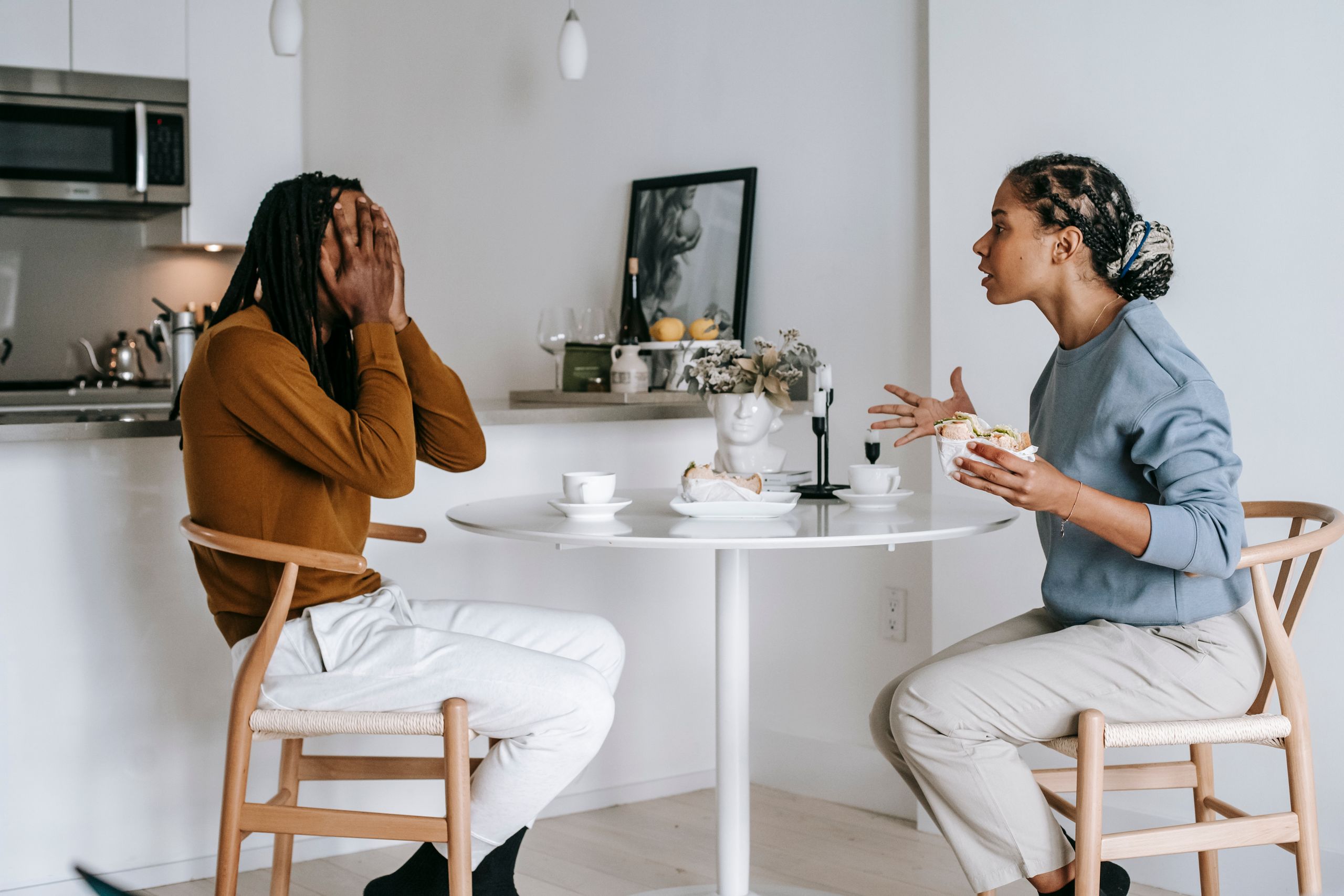
Side view of expressive Hispanic female in casual clothes arguing with African American boyfriend covering face with hands while sitting at table in kitchen at home
Image credit: Alex Green/pexels

Gaslighting is one of the subtle ways a person may be manipulated in a relationship. This behavior involves causing someone to question their own memories, feelings, or understanding of events.

When gaslighting occurs, a person may begin to doubt themselves instead of trusting their own perspective. Over time, this can create confusion about what is happening within the relationship.

Love-bombing followed by devaluation

Another pattern involves intense positive attention followed by a shift toward negative treatment.

A relationship may include periods where one partner feels highly valued, followed by moments when that same partner experiences devaluation. The contrast between these behaviors can make the relationship feel difficult to understand and may leave someone questioning what changed.


Related:6 Signs Your Relationship Is Stuck in a Painful Push-Pull Cycle

Constant criticism or belittling

Determined African American man and woman in warm clothes leaning on wooden barrier during workout in winter park on blurred background
Image credit: Julia Larson/pexels
Repeated criticism or belittling can also affect how someone feels in a relationship.
Instead of offering support and respect, a partner may repeatedly make comments that put the other person down. Over time, this pattern can become a significant part of the relationship dynamic.

Shifting blame

Shifting blame occurs when someone places responsibility for problems on another person instead of acknowledging their own role.
In a relationship, this may create a situation where one person feels responsible for conflicts or difficulties, even when the other partner’s actions contribute to the issue.

Withholding affection

Annoyed young female dissatisfying with husband behavior and having stress and man exhausted and listening silently
Image credit: Keira Burton/pexels
Withholding affection is another subtle behavior that can appear in manipulative relationships.
When affection is intentionally reduced or withdrawn, it can become part of a pattern that affects how partners interact. This behavior may be used to influence the other person’s emotions or actions.

Looking closer at relationship patterns

A single disagreement or difficult conversation does not automatically represent a larger pattern. The behaviors discussed here focus on repeated actions that can make someone feel uncertain, diminished, or responsible for problems within the relationship.

Paying attention to patterns over time can help people better understand their experiences. Relationship conversations often begin with noticing behaviors that may have been overlooked or normalized.

For readers who are reflecting on their own relationships or supporting someone else, learning about these signs can provide a starting point for recognizing concerning dynamics.
Other Post You Might Also Like

If you like what you just read, then subscribe to our newsletter and follow us on social media.

Leave a Reply

Your email address will not be published. Required fields are marked *