The post Diesel Prices Are Up 61% This Year, Squeezing Farmers Right Before Harvest first appeared on Crafting Your Home.
Diesel closed out the week at $6.05 a gallon on September 11, the highest national average AAA has ever recorded. A year earlier, the same gallon cost about $3.75. The gap between those two numbers, roughly 61%, landed on American farms during the single most fuel-hungry week of the growing calendar.
Corn and soybean harvest runs almost entirely on diesel. Combines, grain carts, tractors and the semis hauling grain to the elevator all draw from the same pump, and none of that equipment idles while fuel prices sort themselves out.
A record gallon lands during the busiest week of the year
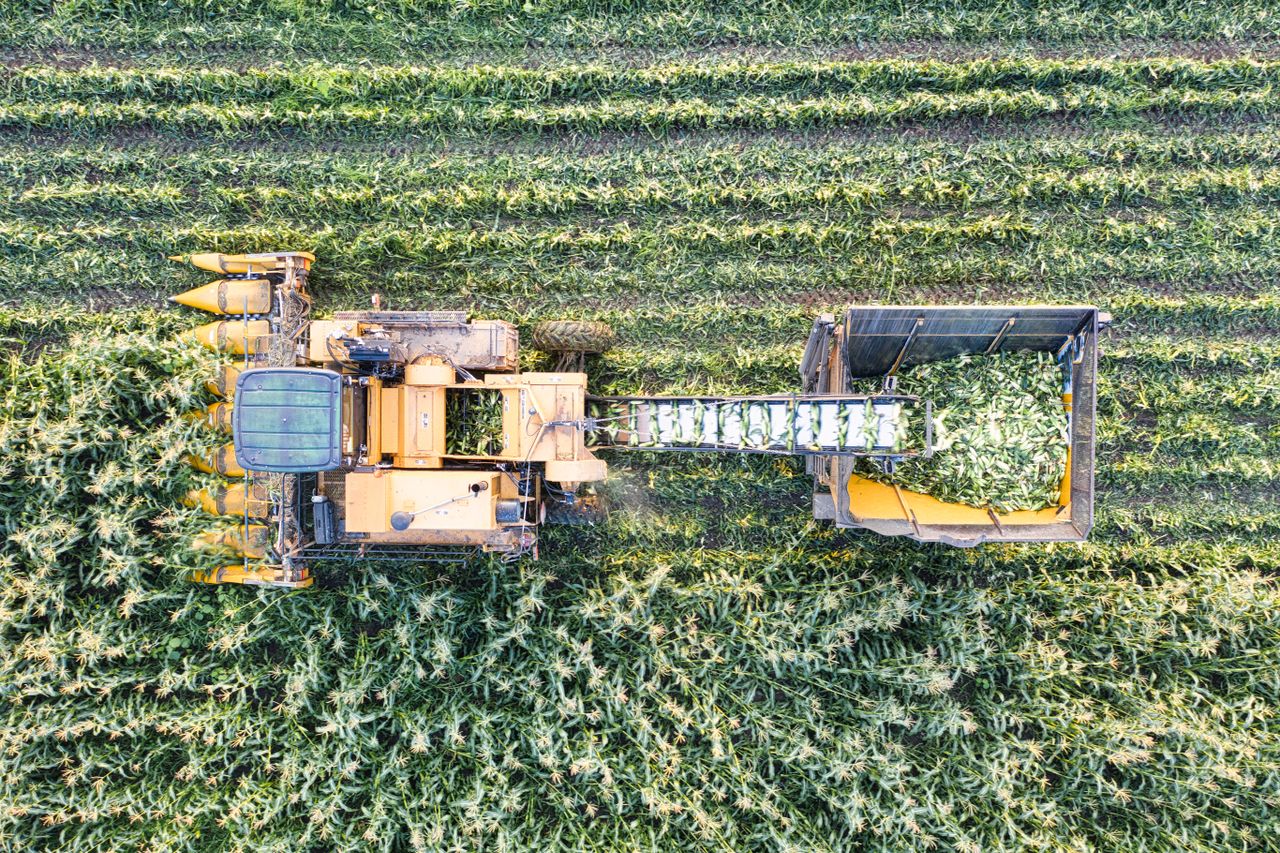
Rural Radio station KUVR broke down what the record price means hour by hour. A combine alone burns 12 to 18 gallons of diesel an hour, while a tractor pulling a grain cart adds another six to 10 gallons.
Add two semis hauling grain and a single harvest operation, and you can burn 24 to 40 gallons every hour. At last September’s average, that ran $90 to $150 an hour. At today’s price, the same hour costs $145 to $242, an increase of $55 to $92 for every hour combines are in the field.
A war six time zones away reshaped the fuel market
The spike traces back to the six-month war involving Iran, which has disrupted fuel flows worldwide. Diesel broke $5.85 a gallon for the first time on September 4, then kept climbing to its September 11 record within a week.
Farmers were already absorbing higher fertilizer, seed and equipment costs before the fuel spike arrived, layering one of the worst input years on record on top of a harvest that cannot be delayed.
A Missouri farm shows what the math looks like on the ground
Jason Kurtz, who farms corn and soybeans near Forest City, Missouri, told the AP his combine burns 200 gallons of diesel a day across an expected 30-day run. He said he is paying roughly twice what he paid a year ago to keep it fueled.
Kurtz put the bind plainly: harvest cannot wait for fuel prices to ease. ‘‘We have to use the diesel, so it cuts into our bottom line,’’ he said.
Lenders and analysts trace the squeeze through crop margins
Agricultural lender CoBank warned in April that the fuel spike tied to the Iran conflict could add roughly $2,000 in fuel costs for an individual farmer, with grain elevators facing hundreds of thousands of dollars more depending on how long the conflict dragged on.
Diesel stockpiles are shrinking as prices climb
Fuel isn’t just expensive right now, it’s getting scarcer. Bloomberg reporters Mia Gindis and Will Kubzansky, writing on data reported by Farm Policy News, found that United States diesel stockpiles are projected to fall this month to their lowest level in more than two decades, as conflicts around the world choke supply from major export hubs.
The Energy Information Administration has revised its own outlook upward twice this year in response. The agency now expects retail diesel to average $5.07 a gallon across 2026, and $4.40 a gallon in 2027, both increases over its earlier forecasts.
USDA’s own numbers confirm the squeeze in dollar terms
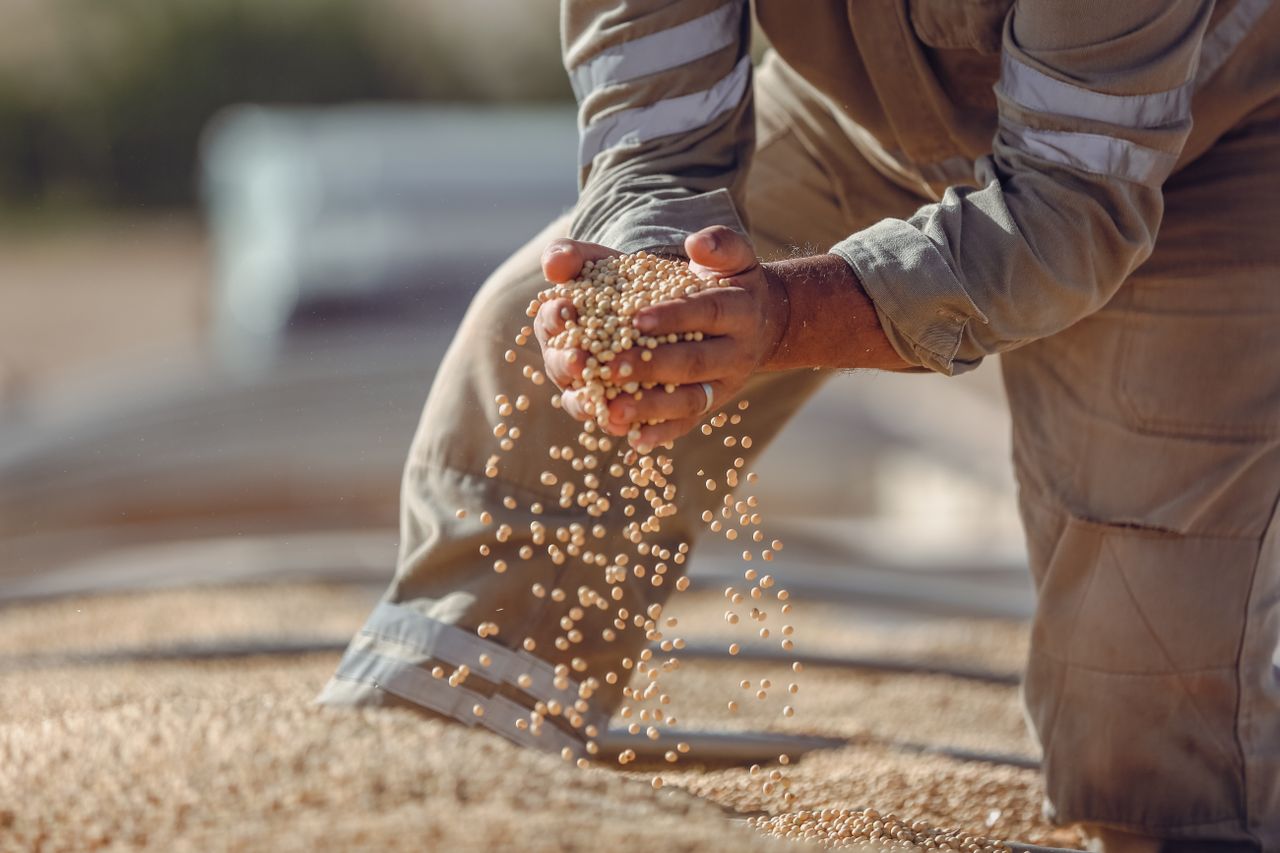
The U.S. Department of Agriculture’s September 3 farm income forecast puts a national figure on what farmers are describing individually. Fuel and oil expenses are projected to jump 28.8% in 2026 to $21.6 billion, while fertilizer costs rise 15.3% to $39.6 billion.
Total production expenses are forecast at $492.8 billion, up 4.5% from 2025 and $15.1 billion higher than USDA’s own February estimate. Net farm income, adjusted for inflation, is projected to fall 5.5% for the year even as crop cash receipts rise.
Related Post: More SNAP Cuts Are Coming in October, on Top of the 5 Million Already Lost
Corn now buys less diesel than it did a year ago
The National Corn Growers Association tracks a simple exchange rate: how many bushels of corn it takes to buy one gallon of diesel. In USDA’s Illinois Production Cost Report for the week ending May 1, that ratio hit 1.18 bushels per gallon, nearly double the 0.59 bushels it took a year earlier.
Diesel had climbed to $5.41 a gallon in that same report, up 95% from $2.77 a year before, while corn prices moved only slightly lower over the same stretch. The exchange rate between the crops farmers grow and the fuel it takes to bring them in has moved sharply against them.
Government support is rising to help absorb some of the gap. USDA projects direct payments to producers will reach $47.4 billion in 2026, nearly 70% above last year’s total. However, that support responds to costs already locked in rather than fixing the fuel market itself.
Other Posts You May Like
- Trump Threatens to Seize Iran’s Oil Hub as Ceasefire Falters, Raising Global Stakes
- 9 Amish Gardening Secrets for a Bigger Harvest With Less Work
If you like what you just read, then subscribe to our newsletter and follow us on social media.