


The Post: DHS Watchdog Finds Small Metal Enclosures Used at ‘Alligator Alcatraz’ Immigration Facility first appeared on Crafting Your Home
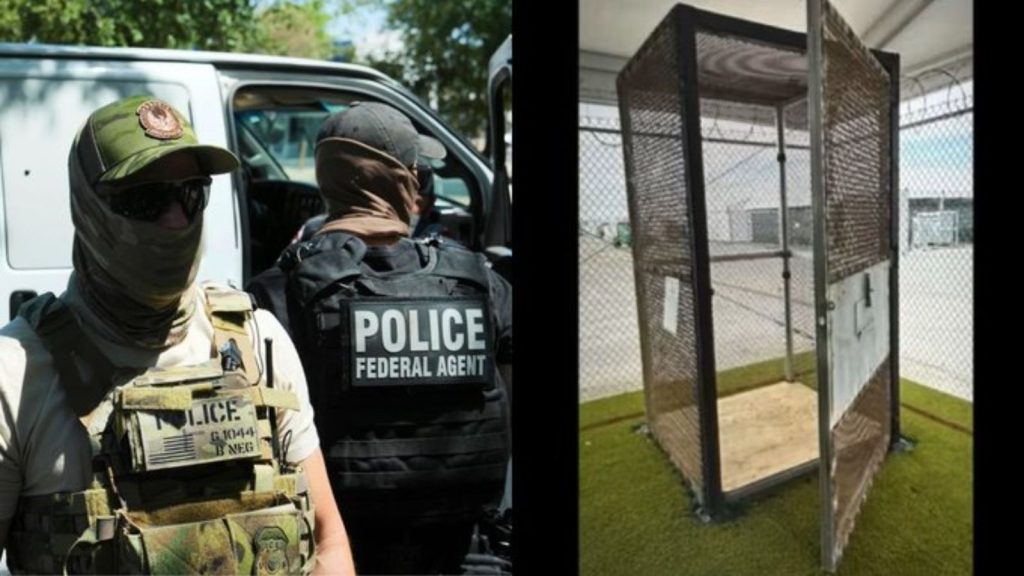
A federal watchdog has found that Florida’s now-closed South Florida Detention Facility, widely known as “Alligator Alcatraz,” used small metal enclosures for detainees, including units located in outdoor recreation areas.
The findings come from an inspection by the Department of Homeland Security’s Office of Inspector General, which reviewed conditions at the immigration detention facility and documented how staff used the spaces.
According to the watchdog report, facility records showed that 79 detainees were placed in 16- and 18-square-foot enclosures between July 17, 2025, and Jan. 18, 2026. Stays ranged from several minutes to nearly two hours, with the average lasting just under an hour.
The report described the use of these restrictive spaces as unusual compared with other Immigration and Customs Enforcement facilities inspected by the DHS Office of Inspector General.
For communities across the country, including Washington readers following federal immigration issues, the findings raise questions about detention standards, oversight, and how immigration facilities are operated.
The watchdog’s report does not establish that every allegation previously made about the facility occurred, nor does it make wider legal findings such as a determination of criminal abuse. Instead, it documents specific conditions inspectors observed and standards the facility did not meet.
Inspectors found that some of the outdoor enclosures measured about 4 feet 3 inches by 4 feet 3 inches, with a height of about 7 feet 9 inches. That created roughly 16 to 18 square feet of floor space, depending on the measurement description used.
The size led to comparisons with phone booths, but the report’s main finding is that detainees were held in very small metal spaces during the period reviewed.
Facility staff described the spaces as “calming areas,” saying they were intended to allow detainees to “de-escalate and have time alone.”
Signage at the facility stated that the spaces were designed to allow detainees to reflect on behavior, manage emotions, reduce stress, and practice self-directed behavior.
However, the DHS watchdog raised concerns about how staff used the spaces. The report stated: “The use of such restrictive spaces is highly unconventional and does not conform to standards for humane treatment.”
The inspector general also found at least one instance where the enclosures may have been used as a disciplinary tool after a detainee did not comply with a lawful command. The report did not conclude that every placement in the enclosures was punishment.
Beyond the small enclosures, the inspection identified several areas where the facility did not meet detention standards. The watchdog found issues involving medical services, food service, personal hygiene, recreation, environmental health and safety, and living-space requirements.
The report also found that the housing units were overcrowded. At maximum capacity, the facility provided about 28 square feet per detainee, below the cited 75-square-foot standard.
The facility has since closed.
NBC News and CNN report that operations ended in June and that detainees were deported or transferred. The circumstances surrounding the closure should be considered separately from the watchdog’s findings about facility conditions.
The inspection also occurs amid continuing debates about responsibility for immigration detention operations. Officials have described the roles of Florida and federal agencies differently, with DHS stating that Florida retained day-to-day operating authority. In contrast, federal immigration personnel were present at the facility.
The watchdog report focused on conditions and compliance rather than assigning sole responsibility for every aspect of the facility’s operation.
The results have also renewed attention on how detention facilities balance security concerns with treatment standards. Federal inspectors found the facility complied with some requirements, including intake procedures and use-of-force standards, while identifying failures in other areas.
For readers trying to understand what happens next, the focus will probably stay on how federal immigration authorities respond to the inspection and whether additional oversight follows.
The report provides a detailed look at one detention facility, but officials and policymakers shall continue debating what standards should apply across immigration detention sites.
The most direct takeaway from the DHS watchdog review is that inspectors found small restrictive enclosures at “Alligator Alcatraz,” including outdoor spaces, and concluded the practice did not conform to humane-treatment expectations. The report offers specific findings as leaving broader policy questions to government officials, courts, and the public debate that follows.
Other Posts You Might Like.
- 10 Reasons Why America’s Global Image Is Changing Around the World
- Judge Boasberg’s Chalk Protest Ruling Has Americans Asking Whether Equal Justice Is Becoming Optional
- ICE Detains Over 10,000 Immigrants In Just Five Days As White House Pushes For More Arrests
If you like what you just read, then subscribe to our newsletter and follow us on social media.
