The post Foods you should never reheat in the microwave And Better Ways to Reheat Them first appeared on Crafting Your Home.
The microwave is one of the most convenient kitchen appliances. It can turn last night’s dinner into lunch in minutes, warm up a bowl of soup, or quickly reheat a casserole after a busy day.
But fast does not always mean best. Some leftovers come out of the microwave perfectly fine, especially foods like soups, stews, sauces, and moist casseroles.
Others lose the qualities that made them enjoyable in the first place. Pizza crust becomes soft, fried food loses its crunch, steak can become dry, and pastries can turn chewy.
The important thing to understand is that the microwave itself is not the problem. Many foods can be reheated safely in one.
The issue is that some dishes need a different type of heat to preserve their texture, while others require proper storage and even reheating to remain safe. Refrigerate perishable leftovers promptly, then reheat to 165°F throughout before eating.
Here are 10 foods and leftover situations where a different reheating method may give you a much better result.
Pizza
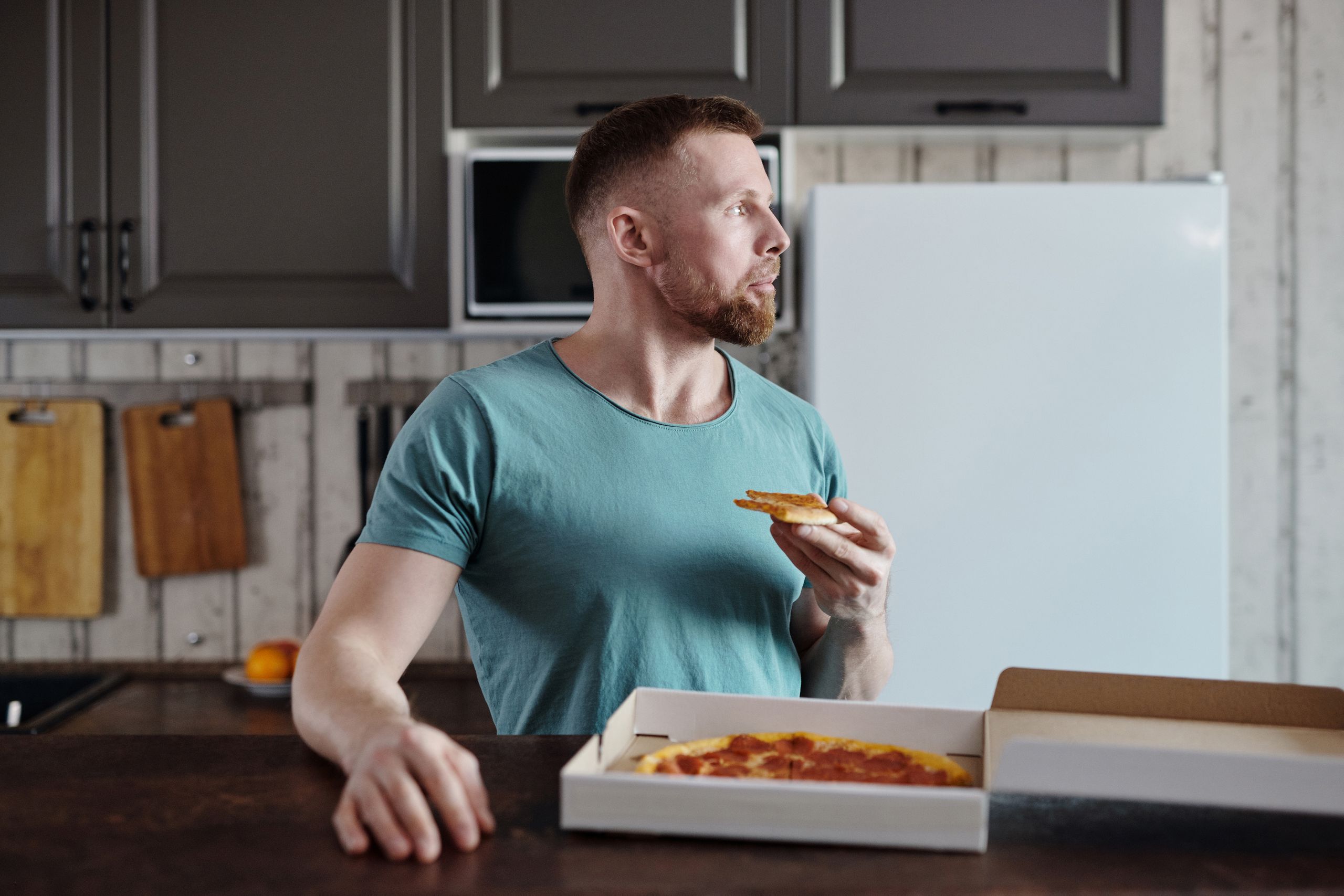
Cold pizza is one of the most popular leftovers, but the microwave rarely brings it back to its original glory.
A microwave warms pizza quickly, but it does not recreate the dry, intense heat needed to make crust crispy again. Instead, moisture and steam can soften the crust, leaving it chewy, floppy, or less satisfying than when it was fresh.
The problem is not safety. It is texture.
Reheat pizza in a skillet over medium-low heat, an oven, toaster oven, or air fryer. These methods provide dry heat that helps restore some crispness to the crust.
Related: Six Budget-Friendly Foods That Make Everyday Meals Healthier
Fried Food
French fries, fried chicken, onion rings, and fried fish depend on one important quality: a crispy exterior.
Microwaves heat through moisture, which can create steam. That steam softens breading and coatings, turning something crunchy into something soggy.
The food may still be safe to eat, but it often loses the texture people enjoy most. Use an air fryer, oven, or toaster oven. Dry heat works better for restoring crispness while warming the inside.
Steak
Leftover steak can still be delicious, but the microwave is not always the best way to warm it. High heat applied quickly can overcook the outside before the center is properly warmed. The result may be a tougher, drier piece of meat.
That does not mean leftover steak should be thrown away. It simply means it deserves a gentler approach.
Warm steak slowly in a low oven or covered skillet. Another option is to slice it thin and use it cold in sandwiches, salads, or grain bowls instead of trying to recreate a freshly cooked steak.
Eggs
Eggs are one of the foods where reheating requires extra attention. Scrambled eggs, omelets, and egg casseroles can become dry or rubbery because egg proteins tighten as they heat.
Whole eggs in shells should never be microwaved. Steam can build up inside the shell and cause the egg to burst. Even peeled hard-boiled eggs can explode after heating because moisture inside can become superheated.
Reheat egg dishes in short intervals at lower power and avoid overheating. Hard-boiled eggs are usually better served cold in salads or sandwiches.
Rice
Rice is often blamed when it comes to reheating concerns, but the microwave itself is not the main issue. The important question is what happened before reheating.
Cooked rice can contain Bacillus cereus spores. If rice sits at room temperature too long, bacteria can multiply and may produce toxins that reheating does not reliably remove.
The safest approach is proper storage. Refrigerate rice promptly, within two hours, or within one hour when temperatures are above 90°F, and reheat it only if it was stored correctly.
Reheat only the portion you plan to eat, add a small amount of water if needed, cover it, stir halfway through, and make sure it reaches 165°F throughout.
Delicate Seafood
Fish, shrimp, scallops, and other seafood can be reheated safely if they were stored properly, but microwaving them at high power can quickly change their texture.
Seafood can become dry, tough, or rubbery when overheated. It may also develop a stronger smell after aggressive reheating.
Warm seafood gently in a covered skillet or low oven with a little moisture, such as broth, sauce, or butter. Some cooked seafood also works well served cold in salads or sandwiches.
Bread and Pastries
Bagels, croissants, rolls, biscuits, and pastries often lose what makes them appealing when microwaved.
The microwave may soften bread temporarily, but it does not recreate the dry heat that gives baked goods their crisp edges and flaky layers. Instead, they can become chewy, dense, or rubbery.
Use a toaster, toaster oven, conventional oven, or air fryer. A few minutes of dry heat can make a major difference.
Hot Peppers
Hot peppers are not automatically unsafe to microwave, but they deserve caution.
When chili peppers are heated, capsaicin-containing vapors can become airborne. For sensitive people, opening the microwave door afterward may release fumes that irritate the eyes, nose, or throat.
The concern is not that every pepper will create a problem. It is simply that heating strong peppers requires some awareness.
Add fresh peppers after reheating or warm them as part of a larger dish with good ventilation. Avoid heating whole peppers in sealed containers.
Thick Sauces and Dense Dishes
Pasta sauce, gravy, curry, chili, thick soups, and casseroles are not foods that need to be avoided in the microwave. However, dense foods can heat unevenly.
The outside may become extremely hot while the middle remains cooler. Thick foods can also splatter if they are heated too quickly.
Cover the dish, stir or rotate it halfway through heating, and allow standing time afterward. The USDA and FDA recommend stirring, rotating, and checking multiple areas of microwaved food to make sure it reaches a safe temperature.
Related: 9 Weird Foods Only Old Adults Eat
Leftovers That Were Not Stored Safely
No reheating method can rescue food that was already stored incorrectly.
If leftovers sat at room temperature too long, were not chilled quickly enough, or show signs of spoilage, putting them in the microwave will not make them safe again.
The USDA recommends refrigerating perishable foods within two hours, or within one hour when temperatures are above 90°F.
Before reheating, think about how the food was stored. When there is doubt about safety, it is better to discard it than attempt to “cook away” the problem.
How to Reheat Leftovers Better
Using a microwave does not mean your leftovers have to turn out poorly. A few simple habits can improve both quality and safety:
- Use microwave-safe containers.
- Cover food loosely to retain moisture and reduce splattering.
- Stir, rotate, or rearrange food halfway through heating.
- Add a small amount of liquid to dry foods when appropriate.
- Allow food to stand briefly after heating.
- Check multiple areas of thicker foods.
- Make sure leftovers reach 165°F throughout.
Other Posts You Might Like
- Six Things Homeowners Never Regret Buying
-
Selling These 9 Things at a Garage Sale Could Cost You More Than You Think
-
5 Small Entryway Tweaks That Can Make Your Whole Home Feel More Organized
If you like what you just read, then subscribe to our newsletter and follow us on social media.